
When you get a quote from a DJ, the base rate is rarely the final number. Travel fees are an extra charge added to cover the time, fuel, and effort it takes for a DJ to get to your event location. If your venue is far from the DJ’s home base, that cost can add a noticeable amount to your total bill.
Understanding how travel fees work helps you budget more accurately and avoid surprise charges after you have already signed a contract. This guide breaks down everything you need to know about DJ travel cost, how the math works, and what questions to ask before you book.
Ready to learn more? Visit our DJ pricing page to see transparent rates and understand exactly what is included in every package.
What Travel Fees Actually Cover
Travel fees are not just about the miles on the road. A DJ’s travel expenses cover several real costs that come with leaving their home base. Knowing what you are paying for makes the charge feel far more reasonable.
Here is a breakdown of what most travel fees include:
- Fuel costs: Round-trip mileage at current fuel prices, sometimes calculated using the IRS standard mileage rate.
- Drive time: The hours spent traveling are working hours. Most DJs charge for that time at a reduced hourly rate.
- Vehicle wear and tear: Long drives put real stress on a vehicle that hauls heavy audio equipment.
- Lodging (for overnight events): Events that are too far for a same-day return may require a hotel stay.
- Tolls and parking: These small charges are often passed directly to the client.
Some DJs bundle all of these into a single flat fee. Others itemize each line. Either way, you deserve a clear explanation before you sign anything.
How DJs Calculate Travel Fees for Your Event
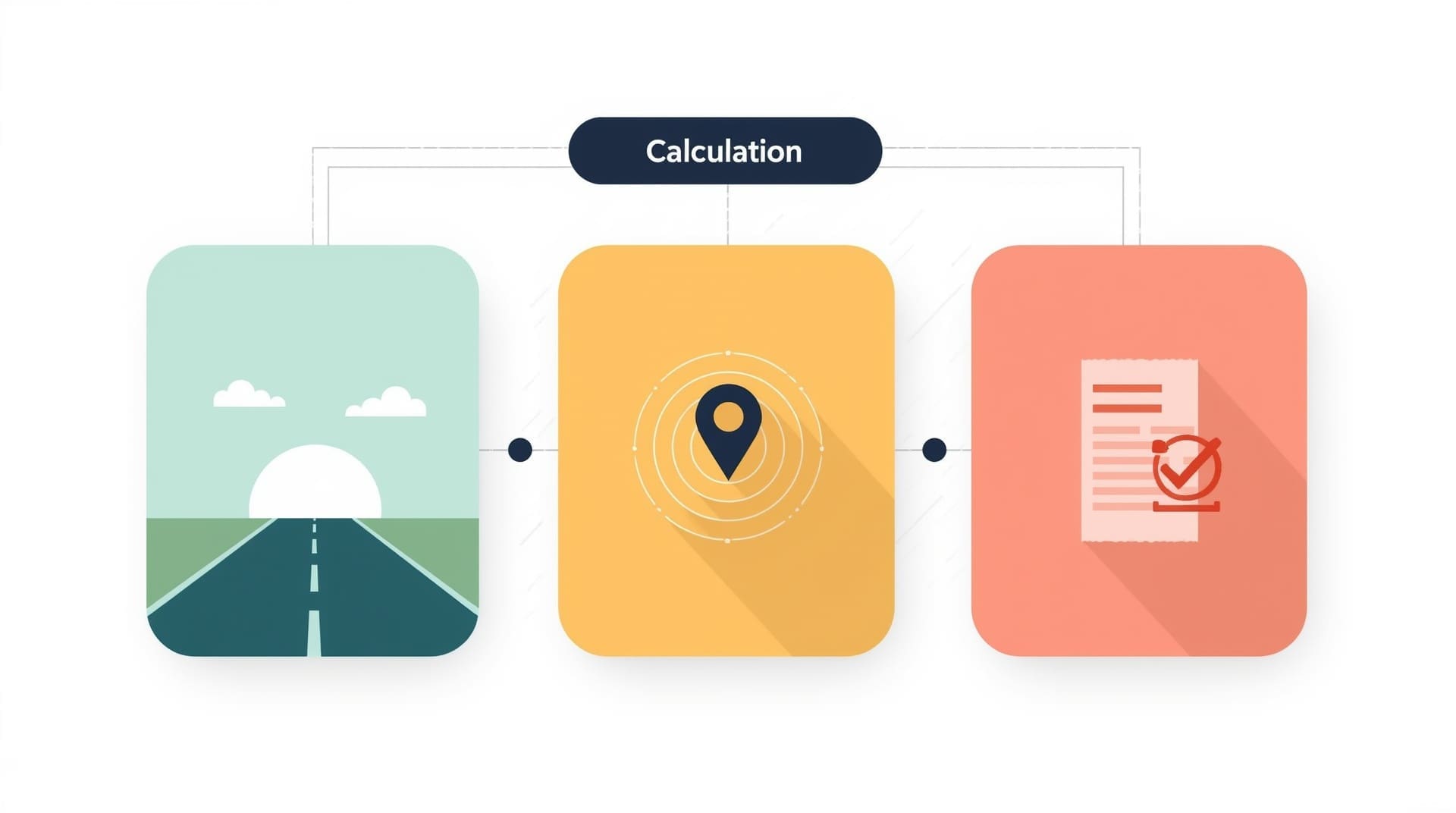
There is no single industry standard for calculating travel fees. Each DJ or company sets their own method, but most use one of three common approaches.
| Calculation Method | How It Works | Best For |
|---|---|---|
| Per-mile rate | A flat charge per mile driven, often $0.50, $1.50 per mile beyond a free radius | Moderate distances, predictable routes |
| Flat zone fee | Set fees based on distance zones (e.g., Zone 1: 0, 30 miles free, Zone 2: $50, Zone 3: $100) | Simple quoting, local and regional bookings |
| Actual cost reimbursement | Client pays exact receipts: fuel, tolls, hotel, flights | Destination events, long-distance bookings |
The per-mile method is the most common for regional bookings. Flat zone fees are easy to understand at a glance. Actual cost reimbursement is typically used for destination weddings or events that require flights and overnight stays.
The Free Radius: Why It Matters to Your Budget
Most DJs offer a free travel radius, which is a set distance from their home base within which no travel fee applies. This radius typically ranges from 15 to 30 miles. If your venue falls inside that zone, travel is included at no extra cost.
Once your venue is beyond that free radius, the meter starts running. A DJ based in Raleigh, North Carolina, for example, might cover all venues within 25 miles for free. A venue in a more distant town could add anywhere from $50 to $200 or more to the total.
Always ask where the DJ’s home base is and what their free radius covers before you compare quotes. Two DJs with the same base rate can have very different final prices depending on how far they need to travel.
How Travel Fees Affect Your Overall DJ Cost
Travel fees are one of several extra costs that can move your final invoice well above the initial quote. Understanding how they stack up alongside other charges helps you plan a realistic budget.
For a local event within the free radius, dj travel cost is zero. For a venue 60 miles away, you could be looking at an added $75 to $200 depending on the DJ’s method. For a destination event requiring a flight and hotel, travel expenses can easily reach $500 or more on top of the DJ’s performance fee.
If you are budgeting for a wedding, it helps to read about average wedding DJ costs so you understand how every line item, including travel, fits into the full picture. Getting itemized quotes from more than one DJ makes comparison much easier.
Factors That Drive DJ Travel Cost Higher
Not all travel fees are equal. Several variables push the dj travel cost up beyond a simple mileage calculation.
- Event start time: A morning event means the DJ may need to travel the night before and book a hotel.
- Remote venue location: Rural venues with limited road access or long unpaved driveways can add complexity and time.
- Multiple trips: Some setups require a site visit before the event day, which may add another travel charge.
- Traffic and detours: Heavy traffic corridors can extend drive time significantly, and some DJs account for this in their estimate.
- Equipment load size: A larger rig may require a bigger vehicle or even a second vehicle, raising fuel costs.
- Destination events: Events outside the home state require flights, checked baggage for gear, car rentals, and hotel stays.
What Is Included Versus What Is Extra
One of the most common points of confusion around travel expenses dj quotes include is knowing what is baked into the base rate versus what shows up as a separate line item. Some DJs include a standard local travel allowance in their flat rate. Others list it as a separate charge from the start.
Here are items you should always clarify before signing:
- Is there a free travel radius, and how many miles does it cover?
- Is drive time charged, and at what rate?
- Are tolls and parking fees passed to you, or absorbed by the DJ?
- If overnight lodging is needed, who books it and who pays?
- Is a site visit required, and does it carry a separate travel charge?
Ask for a written breakdown. Any reputable DJ will provide one without hesitation.
How Service Area Affects What You Pay
A DJ’s defined service area is a strong indicator of how travel fees will be structured. DJs who actively serve a wide geographic region often build travel costs into tiered pricing from the beginning. DJs who focus on a tighter local area may charge more steeply once you step outside their comfort zone.
For instance, a DJ based in Raleigh might happily serve Cary, Durham, Apex, and Holly Springs with little to no travel charge. The same DJ might add a zone fee for Smithfield, Hillsborough, or Pittsboro because those towns sit further out from their regular coverage area. Knowing a DJ’s service area upfront helps you gauge whether a travel fee is likely before you even request a quote.
Reviewing a DJ’s service area page can also reveal which nearby towns fall within their standard coverage versus which ones trigger additional charges.
Tips for Reducing or Avoiding Travel Fees

You cannot always eliminate travel fees, but you can take steps to reduce them or at least negotiate a fair deal.
- Choose a venue close to the DJ’s home base: This is the simplest way to avoid extra charges entirely.
- Book early: Some DJs offer travel fee waivers for early bookings as an incentive to lock in the date.
- Ask about bundled packages: A package that includes travel within a certain radius is often a better value than an a la carte quote with travel added on top.
- Compare local DJs first: A DJ who is based closer to your venue may cost less overall even if their base rate is slightly higher.
- Offer to handle lodging directly: For destination events, booking the hotel yourself through a discount site can save money versus having the DJ bill you at full rate.
What to Look for in Your DJ Contract Regarding Travel
Your contract should spell out the travel fee terms in plain language. Never assume a verbal promise will hold. The written contract is what protects both parties.
Look for these specific items in the travel section of any DJ agreement:
- The exact mileage calculation method or zone structure used
- The starting point for mileage (the DJ’s home, their studio, or another location)
- Who is responsible for lodging costs, and what the lodging cap is
- Whether fuel surcharges can be added if gas prices spike before the event
- Cancellation terms specific to travel expenses already incurred
If the contract is vague on any of these points, ask for an addendum before you sign. A clear contract prevents disputes later and gives you peace of mind going into your event.
Final Thoughts on DJ Travel Fees
Travel fees are a legitimate part of booking a professional DJ, especially for events outside a major metro area. When you understand what drives these charges and how they are calculated, you can compare quotes accurately and make a confident booking decision. The key is transparency: ask for a written breakdown, confirm the free radius, and read the contract carefully.
Working with a DJ who serves your region regularly means lower travel costs and a smoother experience overall. A local professional already knows the roads, the venues, and the area, which translates directly into fewer surprises on your event day.
Frequently Asked Questions About DJ Travel Fees
How much do DJ travel fees typically cost?
Travel fees vary widely based on distance, method, and the DJ’s policies. For regional events within 50 miles, expect to pay anywhere from $0 to $150. For events requiring overnight stays or flights, travel expenses can reach $300 to $600 or more. Always ask for an itemized estimate before committing.
Do all DJs charge travel fees?
Not all DJs charge separately for travel. Many build a local travel allowance into their base rate for events within a certain radius. DJs who focus on a tight geographic area may not charge at all for nearby venues. It depends on their pricing structure and how far your venue is from their home base.
Can I negotiate a DJ’s travel fee?
Yes, travel fees are often negotiable, especially for early bookings or larger event packages. Some DJs will waive the fee entirely if you book well in advance or if you choose a bundled service. It never hurts to ask, just make sure any agreement is put in writing before the contract is signed.
How far will a DJ travel for an event?
Most local DJs will travel up to 100 miles without requiring overnight accommodations. Beyond that range, lodging and additional compensation are typically expected. Some DJs are open to destination events nationwide, but those bookings require detailed planning and a clearly itemized travel budget agreed upon in advance.
Should travel fees be paid upfront or at the event?
This depends on the DJ’s contract terms. Some include estimated travel costs in the initial deposit. Others bill the final travel amount after the event once actual expenses are confirmed. For destination events, expect to pay estimated travel costs upfront so the DJ can book flights and hotels without absorbing those costs themselves.