You can save money on a wedding DJ by booking during off-peak months, negotiating package inclusions, hiring a solo operator instead of a full entertainment company, or handling music yourself with rented equipment. The average wedding DJ in the United States charges between $800 and $2,000 for a standard four-to-six-hour reception, but prices swing widely based on location, season, and how many add-ons you accept without question. Couples who plan ahead and compare at least three quotes typically shave $200 to $600 off the initial price they are quoted.
Wedding entertainment is one of the few line items where cost and quality do not always move together. A less expensive DJ with a tight playlist and a confident microphone presence can outperform a pricier vendor who overbooks weekends and shows up with a generic template. Knowing where the negotiable costs actually sit, and where cutting corners will hurt your reception, makes the difference between a smart trim and a regret.
Key Takeaways
- Average wedding DJ pricing in the United States runs $800 to $2,000 for a standard reception, with major metro areas often starting closer to $1,500.
- Booking a Friday or Sunday wedding, or a date between November and March, can lower DJ rates by 15 to 30 percent compared to peak Saturday summer dates.
- Solo DJs without a business partner or agency markup often charge 20 to 40 percent less than full-service entertainment companies for the same hours of coverage.
- Renting your own sound system and appointing a friend as master of ceremonies can bring total entertainment costs under $300, though it shifts significant responsibility onto you.
- Reading a contract line by line for overtime fees, travel charges, and lighting add-ons prevents the most common source of unexpected wedding DJ costs.
What a Wedding DJ Actually Costs in 2026
Couples pay a median of about $1,200 for a wedding DJ, per The Knot and WeddingWire surveys. Prices range from $500 for a basic package in a small market to $3,500 or more for a known name in a major city. Rural bookings often run $700 to $1,100, while cities like New York, Los Angeles, and Chicago frequently start above $1,800 before add-ons.
Three factors drive most of that gap: hours of coverage, equipment included, and whether you book an individual or an agency. A basic four-hour reception package costs far less than one that adds uplighting, a photo booth, ceremony sound, and a cocktail-hour playlist. Every add-on is a line item you can question, delay, or cut.
The biggest cost lever in wedding DJ pricing isn’t the DJ’s skill, it’s the hours and add-ons bundled into the quote.
Typical packages at each price point, based on mid-size U.S. markets:
- $500 to $800: Solo DJ, 3 to 4 hours, basic sound system, minimal MC involvement, no lighting.
- $900 to $1,400: Solo or two-person team, 4 to 6 hours, wireless mic, basic uplighting, MC included.
- $1,500 to $2,500: Full-service DJ company, 6 to 8 hours, ceremony and reception sound, dance floor lighting, backup equipment.
- $2,600 and up: Premium DJ, custom mixing, monogram lighting, special effects, multiple staff.
Book During Off-Peak Months and Off-Peak Days
Shifting your wedding date away from peak season is the single largest lever most couples overlook, and it often saves more than any amount of negotiating. Saturdays in June, September, and October remain the most requested dates nationally, which means DJs charge their full rate and rarely discount. A Friday or Sunday wedding, or a date in January, February, or March, frequently opens the door to a 15 to 30 percent discount because DJs would otherwise have that weekend open.
Time of day matters too. An afternoon reception ending by 6 p.m. avoids the late-night overtime rates that many DJs charge after 10 or 11 p.m., which can run $100 to $250 per additional hour. If your venue allows it, wrapping the reception earlier rather than pushing to midnight keeps your quoted price intact instead of triggering overtime clauses buried in the contract.
Booking early also plays a role, though not in the way most couples expect. DJs do not typically charge less for early bookings, but booking six to twelve months ahead gives you access to a wider pool of DJs competing for your date, which increases your negotiating leverage. Waiting until two months before the wedding usually means choosing from whoever remains available, at whatever rate they set.
Compare a Solo DJ Against a Full-Service Entertainment Company
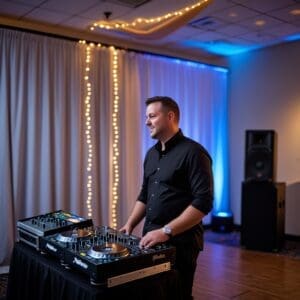
Hiring an independent solo DJ instead of a large entertainment company is one of the most reliable ways to reduce cost without reducing quality. Full-service companies carry overhead, including office staff, marketing budgets, and commission structures for booking agents, and that overhead gets built into your quote. A solo operator who owns their equipment and books their own weddings often charges 20 to 40 percent less for comparable hours and services.
The tradeoff is backup coverage. A larger company can usually send a substitute DJ if your original contact becomes sick or unavailable, while a solo DJ may not have that safety net unless you ask directly. Before booking a solo DJ, request written confirmation of their backup plan, including what happens if equipment fails mid-reception.
It also helps to ask candidates directly what portion of the quoted price covers travel, insurance, and equipment rental versus their own time. Many solo DJs will adjust pricing if you can host in a venue with equipment already on site, such as a hotel ballroom with a built-in sound system, since it removes the need for them to haul in and set up a full rig.
Negotiate the Package, Not Just the Price
Asking a DJ to simply lower their number rarely works, since most vendors price close to their minimum margin already. A better approach is negotiating what is included in the package rather than the sticker price itself. Removing services you do not need, such as a photo booth add-on or uplighting you were never planning to request, brings the total down without asking the DJ to work for less than their time is worth.
Consider these specific negotiation points that tend to move the needle:
- Reduce coverage hours from 6 to 4: typically saves $150 to $400, since most DJs charge per additional hour beyond a base package.
- Skip uplighting or monogram projection: saves $100 to $350, as these are usually optional add-ons rather than bundled defaults.
- Provide your own speakers for the ceremony only: saves $75 to $200 by narrowing the DJ’s equipment responsibility to reception hours.
- Ask for a weekday or off-season rate match: saves 15 to 30 percent if your date falls outside June through October.
- Bundle ceremony and reception with one vendor instead of two: saves $100 to $300 in separate setup and travel fees.
Always ask for a revised written quote after any negotiation, since verbal agreements about removed services rarely survive to the final invoice without documentation.
Consider Doing It Yourself, With a Rented Sound System
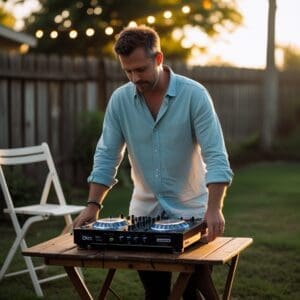
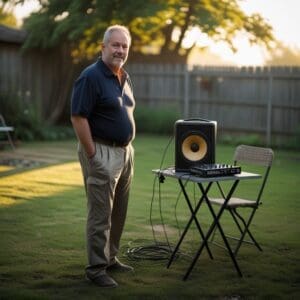
Some couples skip a professional DJ entirely and handle their own wedding music, and for smaller or more casual receptions, this can work well. A basic sound system rental, including two speakers, a mixer, and wireless microphones, typically costs $100 to $250 for a full weekend from a local audio rental company. Streaming a curated playlist through that system costs nothing beyond a music subscription, which most couples already have.
Being your own DJ works best for guest counts under 100 and receptions that lean casual rather than formal. It works less well for weddings that need real-time reading of the room, since a streaming playlist cannot adjust on the fly if the dance floor empties out. A person cannot simultaneously host a reception and monitor a sound booth, so most couples who go this route appoint a friend or family member to run the equipment and handle announcements instead of doing it themselves.
Appoint a Friend as Master of Ceremonies to Cut Staffing Costs
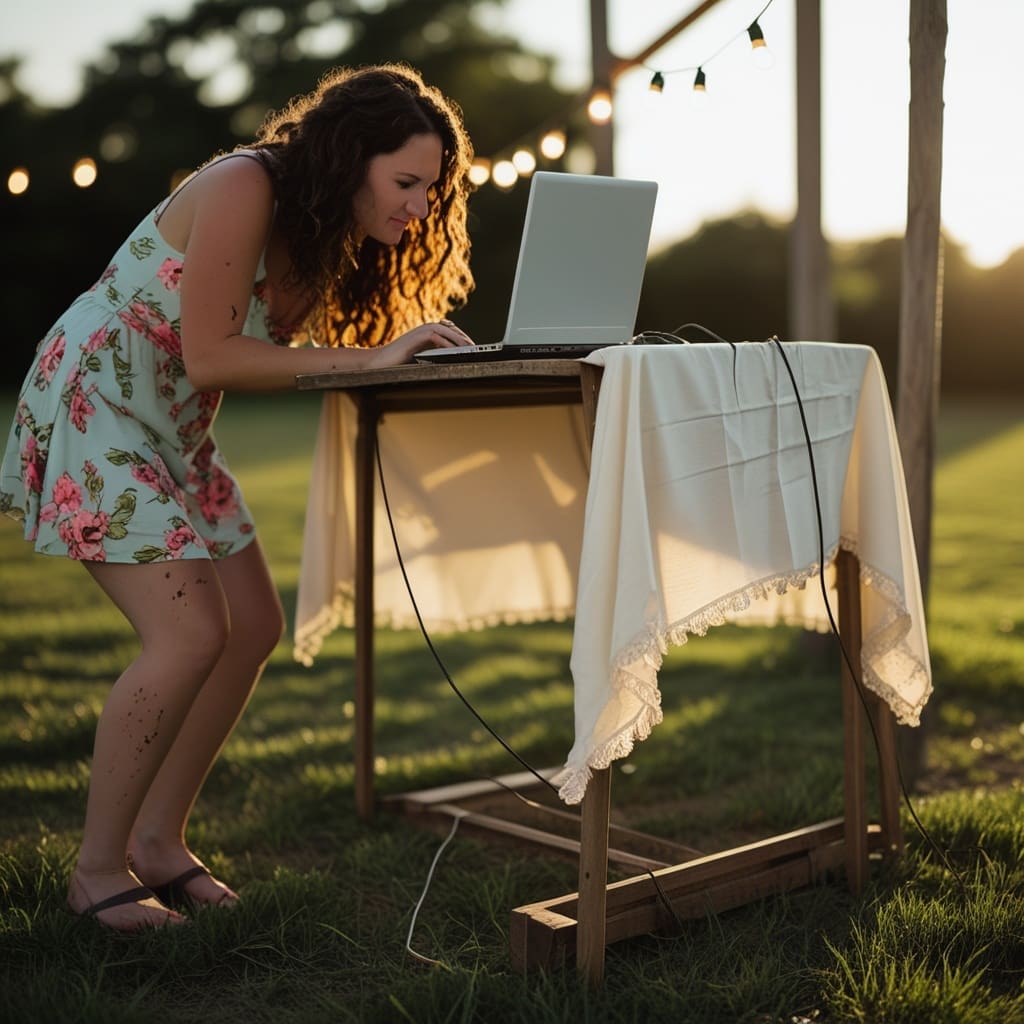
Many couples assume the DJ has to handle announcements, but a confident friend or family member can introduce the wedding party, call the first dance, and cue the cake cutting just as well, for free. Skipping the MC-inclusive package can save $100 to $300 off a standard DJ quote.
Give your chosen MC a written timeline at least two weeks out, with exact wording for key moments and the order of events. Have them run through it at the rehearsal using the actual microphone, since unfamiliar equipment is the main reason for awkward pauses on the day.
This pairs well with a DIY sound system, since one person runs the playlist while another handles the mic. It also works as a middle ground: keep a hired DJ for the reception dance floor, but let a friend cover ceremony announcements and toasts to cut down the paid hours you need.
Do a Dry Run Before the Wedding Day
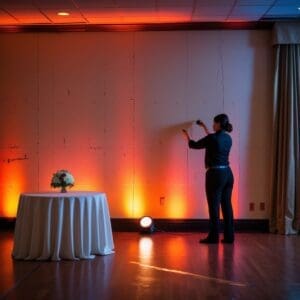
Whether you hire a professional or handle music yourself, a dry run at the actual venue prevents the most expensive kind of mistake: paying for equipment or a vendor and discovering on the day that it does not work as planned. Schedule a walkthrough two to four weeks before the wedding, ideally during the same time of day as your reception, so lighting and acoustics match what you will experience.
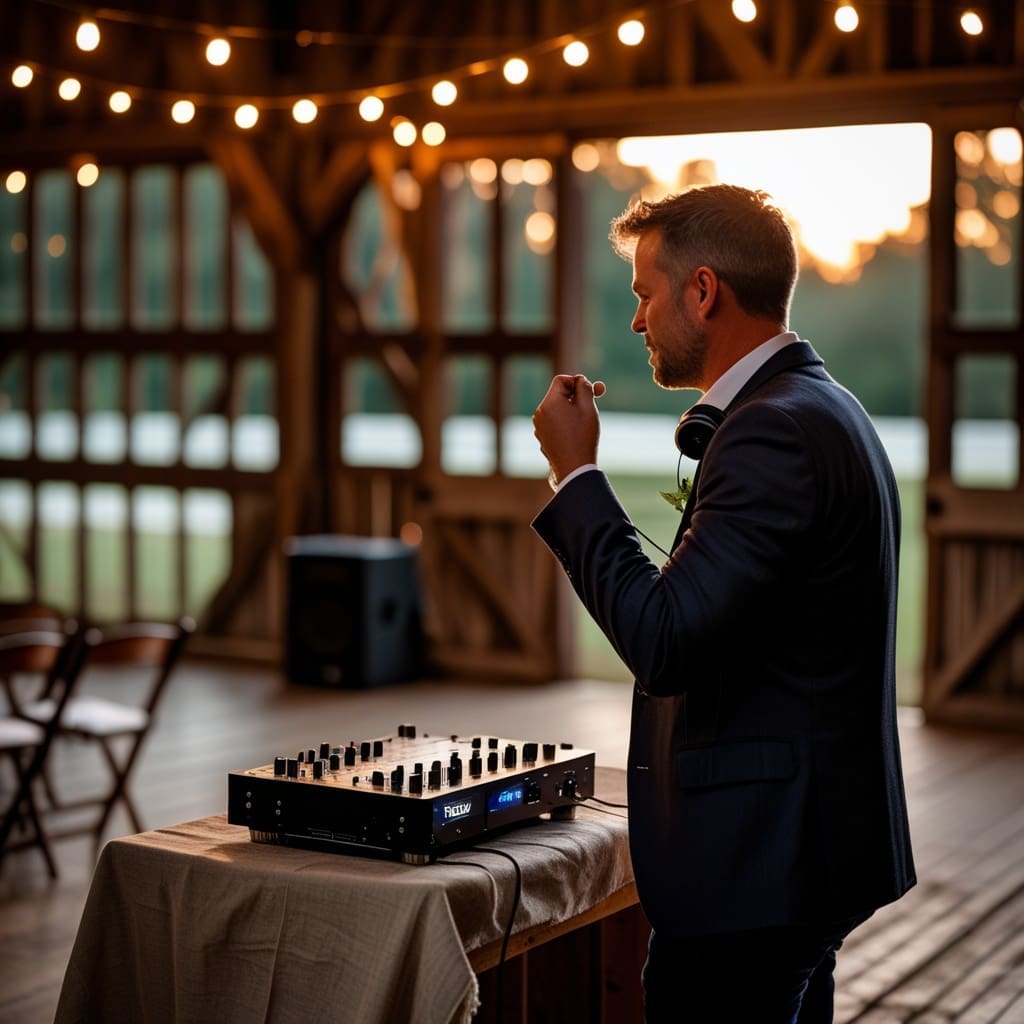
During the dry run, test microphone feedback near speakers, confirm outlet locations and extension cord needs, and play a sample of your first dance song at reception volume. Venues with hard floors and high ceilings, such as barns or industrial spaces, often produce more echo than expected, which may require adjusting speaker placement rather than paying for a more expensive sound system. This single step, which costs nothing beyond an hour of your time, catches the kind of technical issue that otherwise turns into a $200 same-day equipment rental scramble.
If working with a hired DJ, ask whether the dry run is included in your package or billed as a separate site visit. Some DJs include a planning call or venue visit at no charge, while others charge $50 to $100 for an in-person walkthrough, so clarify this before assuming it is free.
Read the Contract Before You Sign Anything
The most expensive wedding DJ mistakes rarely come from the base price. They come from contract terms that were never fully read: overtime charges, travel fees beyond a certain mileage radius, cancellation penalties, and deposit refund policies. A $1,200 quote can quietly become $1,600 once a reception runs 45 minutes long and overtime kicks in at $150 per half hour.
Ask specifically about these clauses before signing:
- Overtime rate per hour or half hour, and whether it is billed in advance or after the fact.
- Travel fee threshold, since many DJs include the first 20 to 30 miles free but charge $1 to $2 per mile beyond that.
- Cancellation and rescheduling policy, including how much of your deposit is refundable and by what date.
- Equipment backup guarantee, confirming what happens if a speaker or microphone fails mid-event.
- Included setup and breakdown time, since some contracts charge separately for arrival hours before the reception begins.
A vendor who resists putting these details in writing is a warning sign worth taking seriously, regardless of how low their quoted price appears.
Call to Action
Request itemized quotes from at least three DJs before booking, and ask each one directly which fees are negotiable versus fixed. A short phone call comparing hours, add-ons, and overtime terms across three vendors typically surfaces savings that a single quote never reveals.

Conclusion
Saving money on a wedding DJ comes down to controlling three variables: timing, package contents, and who you hire to provide the service. Shifting your date to an off-peak month, trimming unnecessary add-ons, and comparing solo DJs against full-service companies routinely brings quoted prices down by hundreds of dollars without sacrificing the parts of the reception that matter most to your guests. Whether you hire a professional or appoint a trusted friend to run the show, the couples who save the most are the ones who ask specific questions, request everything in writing, and test the setup before the day arrives.
Frequently Asked Questions
Is it cheaper to be your own wedding DJ?
Yes, in most cases, though it requires more effort from you or a designated friend. A rented sound system runs $100 to $250 for the weekend, compared to $800 to $2,000 for a hired DJ, but you take on the responsibility of building playlists, running the equipment, and reading the crowd without professional experience.
How much should I tip a wedding DJ?
A standard tip runs 10 to 20 percent of the total DJ fee, or a flat $50 to $150. Some contracts already include a service charge or gratuity, so check your invoice before tipping separately to avoid paying twice for the same service.
What is the average cost of a wedding DJ in the United States?
Most couples pay between $800 and $2,000 for a standard reception, with a national median around $1,200. Prices run higher in major metro areas and lower in small towns and rural markets, and packages with lighting, ceremony sound, or extended hours push costs toward the top of that range.
Should I hire a solo DJ or a full-service entertainment company?
A solo DJ typically costs 20 to 40 percent less, but a full-service company offers more backup coverage. If your budget is tight, a solo operator with a clear backup plan in writing offers the better value; if reliability matters more than price, a larger company with staff redundancy may be worth the higher cost.
What wedding DJ costs are negotiable?
Hours of coverage, lighting add-ons, and travel fees are usually negotiable; the base hourly rate rarely is. Instead of asking a DJ to simply charge less, request a revised package with fewer add-ons or shorter coverage hours, which lowers the total without asking the vendor to undervalue their time.