The cheapest time to book a wedding DJ is 10 to 12 months out, during the off-peak months of November through March, on a Friday or Sunday. Booking early locks in current rates before seasonal demand drives them up, and picking an off-peak month or day can cut 15 to 30 percent off a typical quote. Wedding DJ pricing across the United States usually runs from $800 to $3,500 for a five- to six-hour reception, with most couples paying between $1,200 and $1,800. Timing is one of the few pricing levers a couple fully controls, and using it costs nothing.
Key Takeaways
- Booking a wedding DJ ten to twelve months in advance, especially during the off-peak season (November through March, excluding holidays), typically saves 15 to 30 percent compared to peak-season Saturday rates.
- Friday and Sunday weddings cost 10 to 20 percent less for DJ services than Saturday weddings in the same market.
- Average wedding DJ pricing in the United States falls between $1,200 and $1,800 for a standard five- to six-hour package, though rates range from $800 to $3,500 depending on region and experience level.
- January and February are historically the slowest booking months for DJs, which makes them the strongest months for negotiating a discount or added service at no extra charge.
- A lower price should never come at the cost of a signed contract, liability insurance, or backup equipment. A cheap DJ without these protections can cost you far more than the money saved.
Why Timing Affects Wedding DJ Pricing More Than Most Couples Expect
Wedding DJs price their services around demand, not a fixed rate card. A DJ who charges $1,600 for a Saturday in June might charge $1,100 for the same package on a Sunday in February. This is not arbitrary. DJs, like photographers and venues, experience a compressed peak season between May and October, when nearly 70 percent of weddings in the United States take place. During those months, a popular DJ may book two or three events in a single weekend, which allows little room for discounting. In the off-peak months, that same DJ may go two or three weekends without any booking at all, and filling that calendar gap becomes more valuable to them than holding firm on price.
This dynamic gives you real leverage, particularly if your date falls in a slower month. A DJ is far more willing to negotiate when the alternative is an empty Saturday night. Understanding this shift in bargaining power is the single most useful piece of information you can bring into a pricing conversation.
The Off-Peak Season Advantage: November Through March
Wedding season in most parts of the country runs from late spring through early fall, with June, September, and October consistently ranking as the busiest months for bookings. The slow season, by contrast, runs from November through March, excluding the December holiday stretch when parties and corporate events keep DJs busy in other ways. Within that window, January and February stand out as the two quietest months industry-wide.
Booking your wedding for one of these off-peak months can lower your DJ cost by 15 to 30 percent compared to a peak-season Saturday rate. A DJ quoting $1,500 for a Saturday in September might quote $1,100 to $1,250 for the same package in late January. Some DJs advertise this discount openly through seasonal packages, while others simply respond more favorably to a direct ask once they learn your date falls in a slower month.
- Peak months (May, June, September, October): Highest demand, least room for negotiation, rates often at or above a DJ’s standard listed price.
- Shoulder months (April, July, August, November): Moderate demand, occasional discounts of 5 to 10 percent available with early booking.
- Off-peak months (December after the 20th, January, February, March): Lowest demand, discounts of 15 to 30 percent commonly available, especially for weekday or Sunday events.
Day of the Week Changes the Price as Much as the Season Does
Choosing a Friday or Sunday wedding instead of a Saturday is one of the most reliable ways to reduce your DJ cost, regardless of the month. Saturday remains the most requested day for weddings, accounting for well over half of all U.S. weddings booked each year, which means Saturday DJ rates carry a built-in premium. A DJ who charges $1,400 for a Saturday reception in October might charge $1,150 to $1,250 for an identical Friday or Sunday event in the same month.
Weekday weddings, while less common, offer the steepest discounts. A Tuesday or Wednesday evening reception can bring DJ pricing down by 20 to 40 percent, since these dates rarely attract other inquiries and a DJ would otherwise have an open calendar slot. If your venue and guest list allow flexibility on the day of the week, this single decision can save more than switching your entire wedding month.
How Far in Advance You Should Book
Booking ten to twelve months before your wedding date gives you the strongest combination of price and selection. Popular DJs in mid-size and large markets often fill their calendars for peak Saturdays a full year in advance, which means waiting too long limits you to whoever remains available, often at a higher last-minute rate. The following timeline reflects how pricing and availability typically shift as your wedding date approaches.
- 12+ months out: Widest selection of DJs, current-year pricing locked in before annual rate increases, typical savings of 10 to 15 percent versus booking inside six months.
- 9 to 11 months out: Strong availability for most dates, standard package pricing, still enough runway to negotiate add-ons like uplighting or an extra hour at no charge.
- 6 to 8 months out: Availability narrows for Saturdays in peak months, pricing typically at full rate with little room for discounting.
- 3 to 5 months out: Limited selection, often only newer or less-booked DJs remain, some may offer discounts of 5 to 10 percent simply to fill the date.
- Under 3 months out: Rush pricing is common, sometimes 10 to 20 percent above standard rates for DJs who take on last-minute bookings, though desperate-to-fill discounts can occasionally appear for weekday or off-peak dates.
Booking early does not mean paying more out of urgency. It means paying the current, lower rate before annual price increases take effect, which most DJ companies apply once or twice a year, typically in January and again mid-year.

Off-Peak Hours and Shorter Receptions Also Lower the Bill
The time of day your reception takes place, not just the day of the week, can influence DJ pricing. A daytime or brunch reception ending by 4:00 p.m. typically costs less than an evening reception running past 10:00 p.m., since evening events require the DJ to hold the entire night open and often extend into overtime territory. Shortening your reception from six hours to four hours can reduce your DJ package cost by roughly $200 to $500, depending on the base rate, since most DJs price in hourly blocks after a minimum threshold, commonly four hours.
Overtime charges are worth watching closely here. Many DJs charge $100 to $200 per additional hour beyond the contracted package, so a reception that runs long can quietly erase whatever savings you gained by booking early or choosing an off-peak date. Confirming your exact end time with your venue before finalizing your DJ contract keeps this cost predictable.
Negotiation Tactics That Actually Work
Direct negotiation works best when you understand what a DJ can realistically move on. Base pricing is usually firmer than add-ons, so instead of asking a DJ to lower a $1,500 quote, ask whether uplighting, a ceremony microphone, or an extra hour of coverage can be included at no additional cost. DJs are often more willing to add value than to cut their listed price, since a lower advertised rate can affect how they price future clients.
- Ask about off-peak packages directly. Many DJ companies maintain unadvertised seasonal pricing for November through March that they only mention if asked.
- Bundle services with the same vendor. A company offering both DJ and photo booth services may discount the combined package by 10 to 15 percent compared to booking each separately.
- Book multiple vendors from one company at once. Some full-service entertainment companies reduce per-service pricing by roughly $100 to $150 when you book a DJ, MC, and lighting package together in a single contract.
- Ask about last-minute cancellation slots. Couples with flexible dates within a two-to-three-month window can sometimes claim a discounted rate when another client cancels.
- Pay in fewer installments or in full upfront. Some DJs offer a 5 percent discount for full payment at booking rather than a standard deposit-and-balance structure.
What Drives the Base Price Before Timing Even Enters the Picture
Regional cost differences matter as much as seasonal timing. A DJ in a major metropolitan market such as New York City, Los Angeles, or Chicago typically charges $1,800 to $3,500 for a standard package, while the same level of service in a mid-size city or rural area might run $800 to $1,500. Experience level plays a role as well. A newer DJ building a portfolio may charge $700 to $1,000 regardless of season, while an established DJ with ten or more years of wedding experience often charges $2,000 or more even during off-peak months.
Guest count and venue size can also shift pricing, since a reception for 300 guests typically requires a more powerful sound system and additional speakers compared to a reception for 75 guests. This is a separate cost driver from timing, but it is worth factoring in before assuming a quoted price reflects seasonal discounting alone.
Signs a Low Price Is Actually a Warning Sign
A discounted rate should still come with the basic protections any professional service provides. A DJ quoting significantly below the regional average, sometimes 40 percent or more under comparable local pricing, may be cutting corners in ways that cost you more on the wedding day itself. Before accepting a low price purely because of timing or negotiation, confirm the following.
- A written contract specifying the exact start and end time, overtime rate, and cancellation policy.
- Liability insurance, typically $1 million in general liability coverage, which many venues require before allowing a vendor to set up equipment.
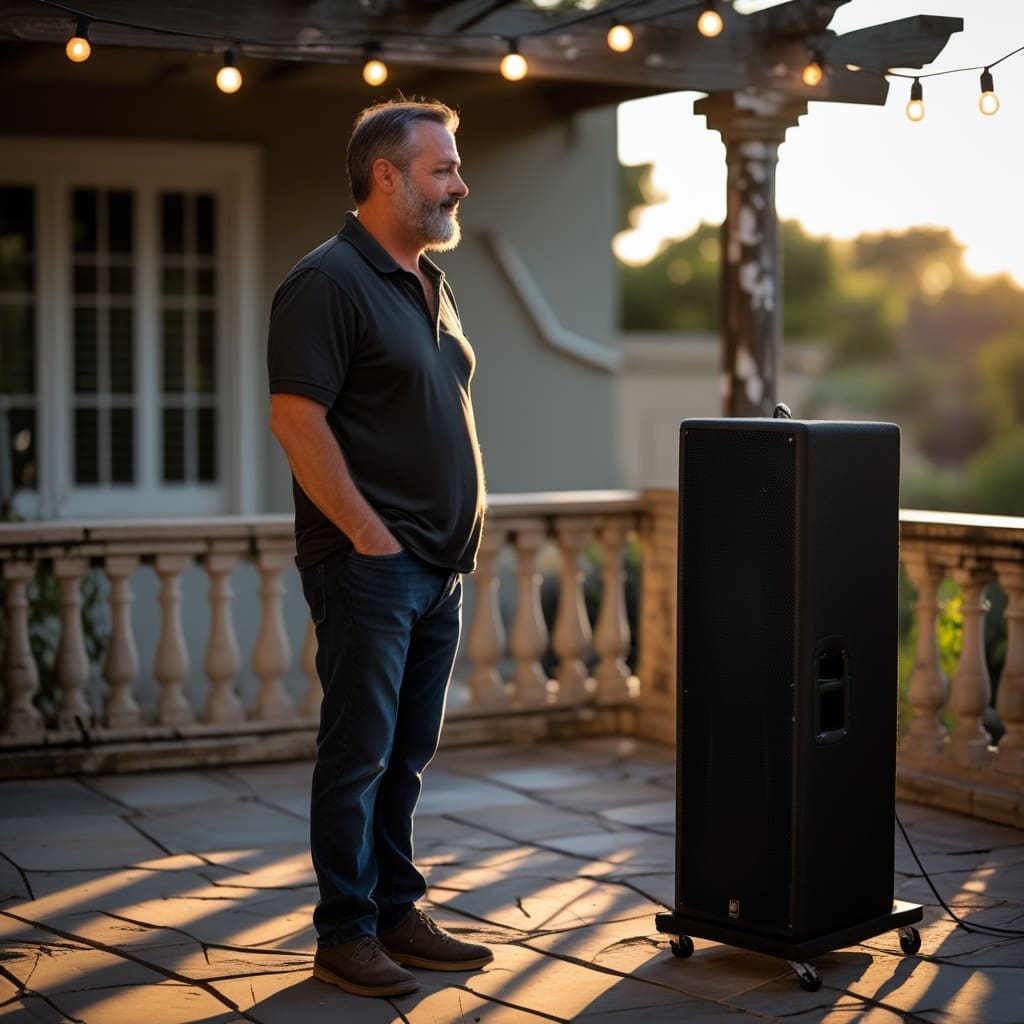
- Backup equipment on site, since a single point of failure in sound equipment can silence an entire reception.
- Recent client reviews from the past twelve months, not just older reviews that may not reflect current staffing or equipment quality.
A price that seems too low to be explained by season or day of the week alone is usually too low for a reason. The savings from good timing should feel like a smart negotiation, not a gamble.
Take Action on Your Wedding Date Before You Lock In a DJ
If your wedding date is still flexible, consider shifting it to a Friday, Sunday, or a month between November and March before you begin requesting DJ quotes. Reach out to at least three DJs in your area ten to twelve months before your date, mention your interest in off-peak or weekday pricing directly, and ask what is included at the base rate versus what costs extra. Comparing written quotes side by side, rather than relying on a verbal estimate, gives you the clearest picture of where real savings exist.
Conclusion
Lower wedding DJ pricing comes down to controllable decisions: book early, choose an off-peak month or day, keep your reception hours reasonable, and ask directly about seasonal or bundled discounts. These choices routinely save couples 15 to 30 percent compared to booking a popular Saturday in peak season with only a few months of lead time. None of these strategies require sacrificing quality, a signed contract, or proper insurance coverage. Timing is simply the most effective, lowest-effort tool available to any couple planning a wedding on a budget.
Frequently Asked Questions
How much does a wedding DJ cost on average in the United States?
Most couples pay between $1,200 and $1,800 for a five- to six-hour reception. Pricing ranges from $800 in smaller markets with newer DJs to $3,500 or more in major cities with highly experienced entertainers.
Does booking a Sunday wedding really save money on a DJ?
Yes, Sunday and Friday weddings typically cost 10 to 20 percent less than Saturday weddings for the same DJ package. Saturday remains the most requested wedding day nationally, which keeps demand and pricing higher on that day specifically.
Is it better to book a wedding DJ early or wait for a last-minute deal?
Booking ten to twelve months in advance is more reliable than waiting for a last-minute discount. While occasional cancellation discounts appear within a few months of the date, waiting risks limited availability and rush pricing of 10 to 20 percent above standard rates.
What is the cheapest month to have a wedding for DJ pricing?
January and February consistently offer the lowest DJ pricing nationwide. These months see the fewest wedding bookings overall, which gives couples more room to negotiate discounts of 15 to 30 percent off standard rates.
Should I be worried about a DJ quote that seems too cheap?
A quote that falls 40 percent or more below the regional average deserves closer questioning. Confirm the DJ carries liability insurance, brings backup equipment, and provides a written contract before accepting a price that seems unusually low.