
When you start comparing DJ quotes, the price difference can feel confusing. One DJ charges $500, another charges $2,000, and both claim to do the same job. The gap usually comes down to DJ experience and expertise, two factors that shape the quality of your event more than almost anything else.
Understanding what experienced DJs actually bring to the table helps you make a smarter hiring decision. This guide breaks down exactly how skill level, years of practice, and professional polish translate into a higher price tag, and whether that investment makes sense for your event.
Ready to learn more? Explore our full DJ pricing guide to see how experience levels affect what you pay.
What DJ Experience and Expertise Actually Mean
Experience and expertise are related but not the same thing. Experience refers to how many events a DJ has performed, how many years they have been working, and the variety of event types they have handled. Expertise refers to the actual skills they have built from that work.
A DJ who has performed 300 events over five years has logged far more real-world situations than one who just started last season. They have managed drunk crowds, fixed sound issues mid-set, handled last-minute song changes, and kept the energy up when turnout was low. That depth of exposure is what makes expertise measurable.
You cannot separate the two when pricing a DJ. Clients who pay a higher experienced DJ cost are paying for both the hours logged and the judgment those hours create. Raw time in the industry matters, but so does the quality and diversity of events within that time.
How Experience Levels Drive Price Differences
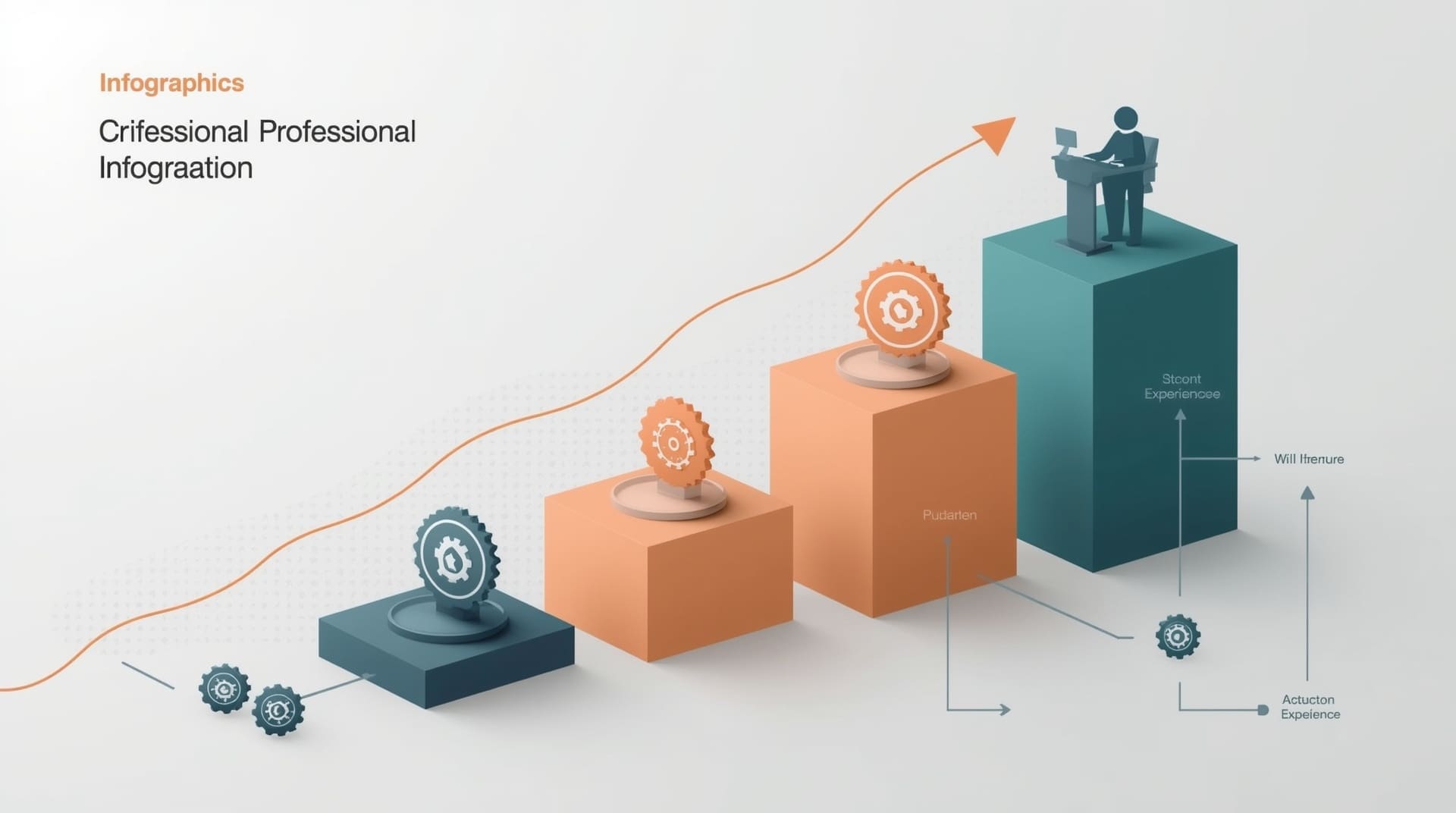
DJ pricing typically breaks into three broad tiers based on experience. Entry-level DJs are just starting out. Mid-level DJs have a few years and a solid event count behind them. Senior DJs have performed hundreds of events across multiple event types and often carry strong reputations built on client reviews.
| Experience Level | Typical Event Count | Typical Price Range | Best For |
|---|---|---|---|
| Entry-Level | 0, 50 events | $400, $900 | Casual parties, low-stakes events |
| Mid-Level | 50, 200 events | $900, $1,800 | Weddings, corporate events |
| Senior / Expert | 200+ events | $1,800, $3,500+ | High-stakes events, large weddings |
These ranges are not arbitrary. They reflect what each tier of DJ can reliably deliver. A senior DJ commands a higher price because they have proven, again and again, that they can perform under pressure without stumbling. That reliability has real dollar value.
The Technical Skills That Separate Good DJs from Great Ones
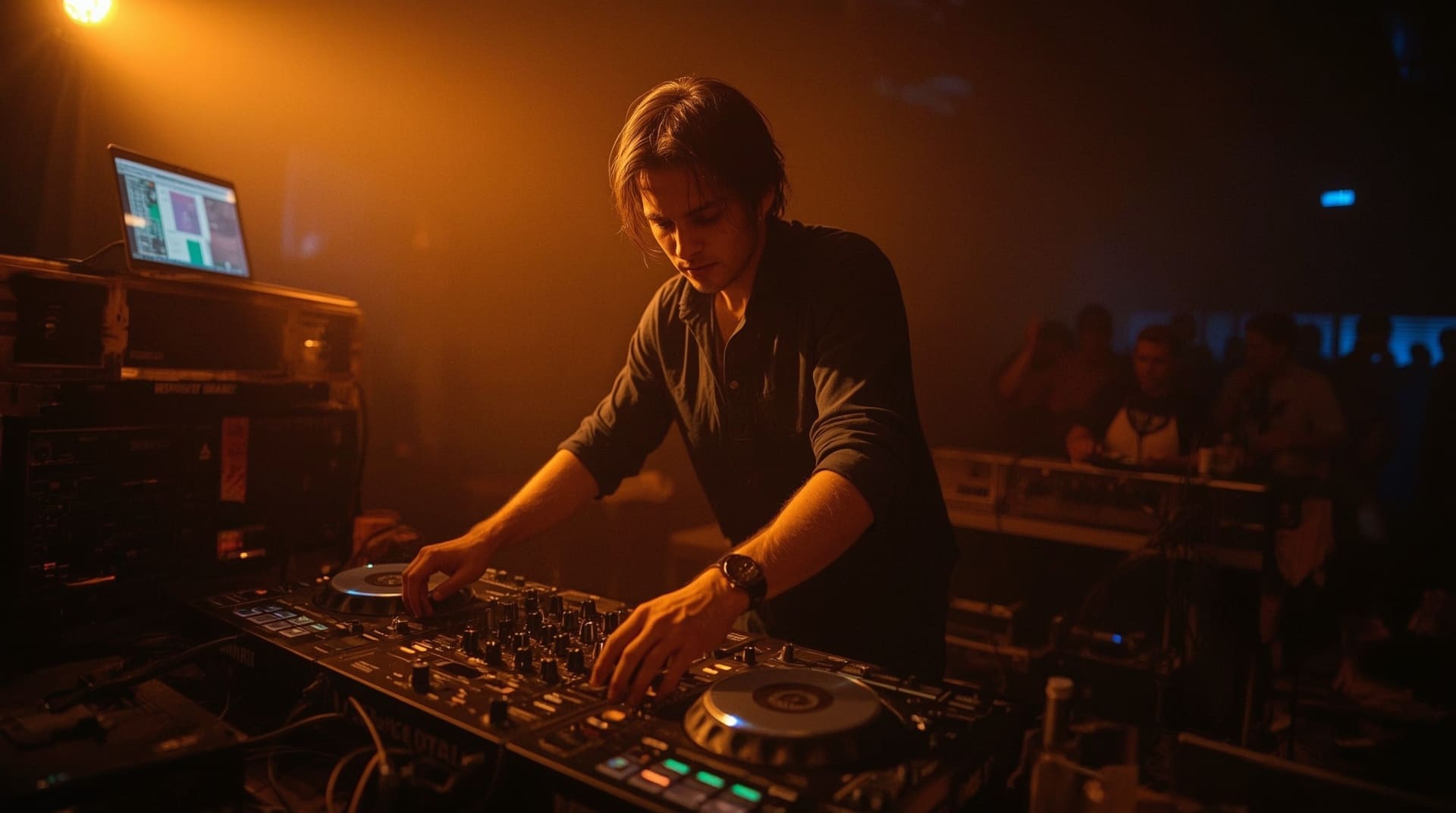
DJ skill value is not just about playing songs people recognize. Technical ability covers beatmatching, mixing, EQ adjustment, and reading the room in real time. A skilled DJ blends tracks smoothly so energy builds naturally instead of cutting awkwardly between songs.
Experienced DJs also understand sound system setup. They know how to position speakers for even coverage, set gain levels without feedback, and troubleshoot issues quickly if something goes wrong. A novice DJ may struggle with a venue’s acoustics or panic when equipment misbehaves.
The difference shows up most clearly in transitions. A junior DJ may cut tracks and hope no one notices. An expert DJ reads the crowd’s body language, adjusts tempo and genre, and keeps the floor moving without a single awkward pause. That ability is the product of years of repetition across hundreds of different audiences.
Why DJ Skill Value Goes Beyond the Music
Skilled DJs are event coordinators as much as they are music performers. They manage the flow of your event, make announcements at the right moments, and cue vendors with timing signals. At a wedding, that might mean coordinating the first dance, cake cutting, and bouquet toss without a hitch.
This coordination role is something many clients do not anticipate when budgeting. A DJ who has done 250 weddings knows exactly when to fade the music for a toast, how loudly to project announcements, and how to handle the moment when the father-of-the-bride speech runs long. None of that skill comes from watching YouTube tutorials.
The experienced DJ cost reflects that full scope of service. You are not just paying for a playlist. You are paying for a professional who can manage the energy and logistics of one of the most important nights of your life.
How Event Type Shapes the Value of Experience
Not all events require the same level of DJ expertise. A backyard birthday party has much lower stakes than a 200-person wedding reception or a corporate gala. The more formal and high-stakes the event, the more a DJ’s experience level matters to the outcome.
For weddings in particular, hiring an inexperienced DJ creates real risk. Timing mistakes, song errors, and awkward dead air can damage moments you cannot recreate. Couples in the Raleigh area planning large receptions benefit most from a DJ who has navigated complex timelines before.
Corporate events add another layer. Professional audiences notice when an emcee stumbles over names or misreads the room’s energy. A DJ with specific corporate event experience understands those dynamics and adjusts their approach accordingly.
Reputation and Reviews as Proof of Expertise
Years of experience only mean something if the DJ has consistently delivered great results. That is why reviews and reputation are so tightly linked to price. A DJ with 200 five-star reviews has a track record that you can verify before you book.
Newer DJs have fewer reviews and less social proof. That uncertainty carries real risk for clients, and it is part of why lower-priced DJs cost less. You are taking on more risk in exchange for a lower rate. Sometimes that works out fine, and sometimes it does not.
When evaluating DJ skill value, always look at the specificity of reviews. Generic praise like “great DJ” tells you little. Detailed reviews that mention timing, crowd management, and song selection tell you far more about what you are actually getting.
Equipment Knowledge Comes With Experience Too
Experienced DJs do not just own better equipment. They know how to use it in any environment. They understand latency issues with wireless systems, the difference between passive and powered speakers, and how to adapt their setup to rooms of different sizes.
Entry-level DJs often own consumer-grade gear or use rental equipment they are still learning. Gear failures at your event become your problem if the DJ does not know how to recover quickly. An experienced DJ has backup equipment and knows how to switch seamlessly if something fails.
The investment in professional-grade equipment also drives up a DJ’s overhead, which factors into their pricing. When you see a higher quote, part of what you are paying for is gear that has been tested across hundreds of real events.
Specialization and Niche Expertise Add More Value

Some DJs specialize in specific event types or music genres, and that focused experience carries a premium. A DJ who specializes in quinceañeras, for example, knows the traditional music order, the waltz segments, and the surprise dance expectations that come with that format. A generalist DJ may miss those nuances entirely.
Similarly, a DJ who focuses exclusively on weddings builds a depth of ceremonial knowledge that a club-focused DJ simply does not have. They know how to handle live ceremony sound, manage microphone handoffs, and pace the reception timeline without prompting from a coordinator.
Niche expertise means fewer mistakes in the moments that count most. Clients who need a specialist pay more because the DJ’s focused skill set reduces the chance of something going wrong on a day that cannot be repeated.
How to Evaluate a DJ’s Experience Before You Book
Knowing that experience matters is only useful if you know how to assess it. A DJ’s quote will not tell you how qualified they are. You need to ask direct questions and look for concrete evidence.
- Ask for an event count: How many events like yours have they performed in the last two years?
- Request references: Can they connect you with two or three past clients for your event type?
- Review their demo or mix: Does the audio quality sound professional? Are the transitions smooth?
- Check review depth: Do reviews mention specific moments, or are they vague?
- Ask about backups: What happens if their primary equipment fails or they have a personal emergency?
These questions quickly separate experienced professionals from beginners who have a polished website. The answers will also help you understand whether the price difference between two DJs is justified.
When Paying More for Experience Is Worth Every Dollar
There are events where hiring the cheapest available DJ is a gamble you should not take. Weddings, large milestone celebrations, corporate dinners, and any event with a complex timeline all call for proven experience. The risk of something going wrong is too high to prioritize savings.
For smaller, lower-stakes gatherings, a mid-level or even entry-level DJ can deliver a great experience at a lower price. A neighborhood block party or casual birthday does not require the same level of coordination expertise as a 150-person wedding reception.
The smart approach is to match the DJ’s experience level to your event’s complexity. Overpaying for a senior DJ at a casual cookout wastes money. Underpaying for a beginner at your wedding reception wastes something far more valuable: the event itself.
Final Thoughts on DJ Experience and Expertise
DJ experience and expertise are not just résumé items. They are the practical skills and earned judgment that determine whether your event runs smoothly or becomes a stressful memory. The price difference between a new DJ and a seasoned one reflects real, measurable differences in what they can deliver.
Before you book based on price alone, think carefully about what is at stake at your event. A higher experienced DJ cost is an investment in reliability, professionalism, and peace of mind. For events that matter most, that investment consistently pays off.
Frequently Asked Questions About DJ Experience and Expertise
Does a more experienced DJ always charge more?
Generally yes, but not always. Some experienced DJs price themselves to stay competitive in their market. However, a DJ who charges significantly below market rate for their stated experience level may be overstating their credentials. Always verify experience with reviews and references before assuming a lower price signals a deal.
How many events should a wedding DJ have performed before I hire them?
Most event professionals recommend at least 50 weddings specifically, not just events in general. Wedding timelines are more complex than most other event types. A DJ with fewer than 50 weddings can still do a great job, but they will benefit from detailed coordination with your venue and planner to fill experience gaps.
What is the difference between a DJ who is experienced and one who is skilled?
Experience refers to volume: events performed, years in the industry, and variety of situations handled. Skill refers to technical ability: mixing, crowd reading, sound setup, and live problem-solving. The best DJs have both. High volume with poor skill development produces a mediocre outcome just as much as great technical skill with no real-world pressure testing does.
Can I trust online reviews to judge a DJ’s expertise?
Online reviews are a strong signal, but you need to read them critically. Look for reviews that describe specific moments, mention the DJ by name, and talk about how the DJ handled the event flow. Vague five-star reviews provide less useful information than a detailed four-star review. Patterns across many reviews are more reliable than any single comment.
Is it worth paying extra for a DJ who specializes in my event type?
For events with specific cultural, ceremonial, or format requirements, specialization is almost always worth the extra cost. A specialist makes fewer format mistakes, requires less hand-holding from you, and delivers a more polished experience for your guests. For standard events without unique format demands, a strong generalist with solid experience is usually sufficient.