If you have ever gotten two DJ quotes for the same type of event and wondered why the numbers were so different, local market rates are usually the reason. Market rates refer to the going price range that DJs in a specific area charge based on local demand, cost of living, competition, and event culture. They are not set by any single rule, but they are very real and they directly affect your budget.
Understanding how area DJ pricing works in a place like Raleigh, North Carolina gives you a realistic frame of reference before you start reaching out to vendors. It helps you spot a fair quote, recognize a low-ball offer that might come with hidden risks, and know when a higher price is actually justified by experience and equipment.
Ready to learn more? Visit our DJ pricing page to see transparent rate information for events across the Raleigh area.
What Market Rates Actually Mean for DJ Services
Market rates are the typical price range that professionals in a given area charge for a specific service. For DJ services, this range is shaped by what local clients are willing to pay and what it costs a DJ to operate in that market. Think of it as the pricing baseline that most reputable DJs in your city will fall near.
These rates are not arbitrary. They reflect years of supply and demand playing out in a local economy. A DJ in Raleigh sets prices based on what other skilled DJs in the Triangle region charge, what venues expect, and how much demand exists for live entertainment in this part of North Carolina.
Local DJ rates can vary significantly even within the same metro area. A DJ serving a downtown Raleigh corporate venue may quote differently than one working a backyard graduation party in a smaller surrounding town. Both are responding to the same basic market forces, just at different ends of the spectrum.
How Cost of Living Shapes Area DJ Pricing
Cost of living is one of the biggest invisible forces behind area DJ pricing. When a market has higher housing costs, fuel costs, and general business expenses, professional service providers in that market need to charge more just to stay sustainable. Raleigh has grown significantly in the past decade, and that growth has pushed operating costs upward.
A DJ’s overhead includes equipment maintenance, liability insurance, music licensing subscriptions, vehicle costs for load-in and load-out, and continuing education on new software and sound systems. None of those costs are free. When the local economy grows, those costs grow with it, and so do rates.
This is why comparing a Raleigh DJ quote to a quote from a smaller rural market does not always make sense. The two markets have different cost structures. Judging one by the other’s prices can lead you to unfair expectations in either direction.
How Event Type Influences Local DJ Rates
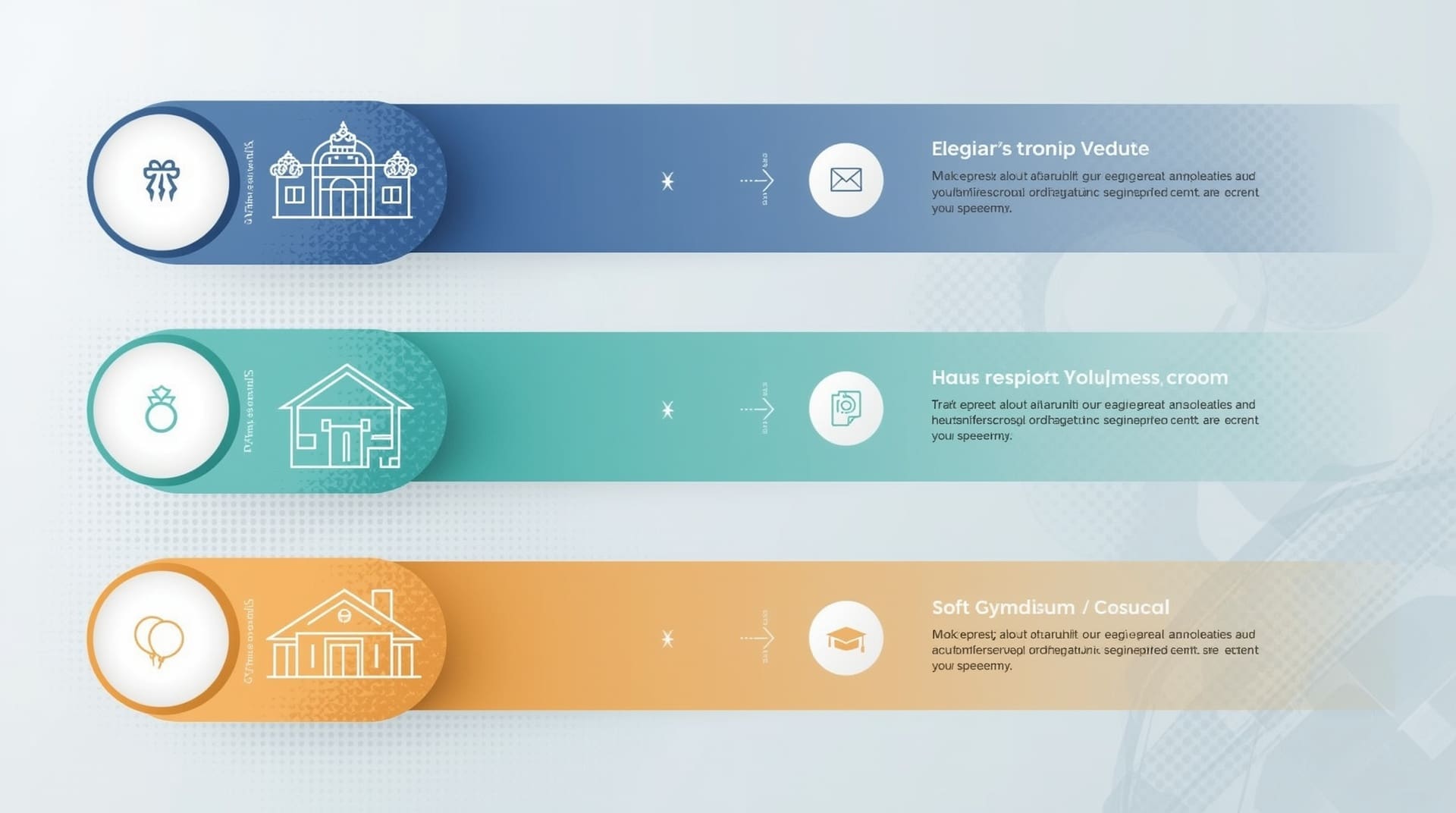
Not all events pull from the same market rate pool. Weddings, corporate events, private parties, and school dances each have their own pricing culture rooted in what buyers in those categories typically expect to spend. Weddings consistently sit at the higher end of local DJ rates because they require more planning, coordination, and reliability than most other event types.
A corporate event DJ in a business hub like the Research Triangle carries a premium because corporate clients have specific expectations around professionalism, brand alignment, and technical performance. Private party bookings tend to be more flexible and sit closer to the mid-range of the local market.
| Event Type | Typical Market Position | Key Pricing Driver |
|---|---|---|
| Wedding | High end of local range | Planning depth, ceremony + reception coverage |
| Corporate Event | Mid to high range | Professionalism, AV integration, brand fit |
| Private Party | Mid range | Hours of service, guest count, equipment needs |
| School or Community Event | Lower to mid range | Duration, setup complexity, content restrictions |
| Quinceañera | Mid to high range | Bilingual MC, cultural music knowledge, long hours |
The Role of DJ Experience and Reputation in Market Pricing
Within any local market, experience creates a tiered pricing structure. A DJ who has been working events in the Raleigh area for ten years and has hundreds of verified reviews commands more than someone who started booking gigs last year. Both are operating in the same local DJ rates environment, but their place within that range differs based on proven track record.
Reputation matters because clients are paying for more than music. They are paying for reliability. An experienced DJ has solved problems at live events that a newer one has not encountered yet. That knowledge carries real value on the day of your event when something unexpected happens.
When you receive a quote that feels low compared to the rest of the local market, ask questions about experience. A very low price sometimes means limited experience, basic equipment, or no backup plan if something goes wrong. Getting what you pay for is especially true in live event services.
How Geography Within a Metro Area Affects Your Quote
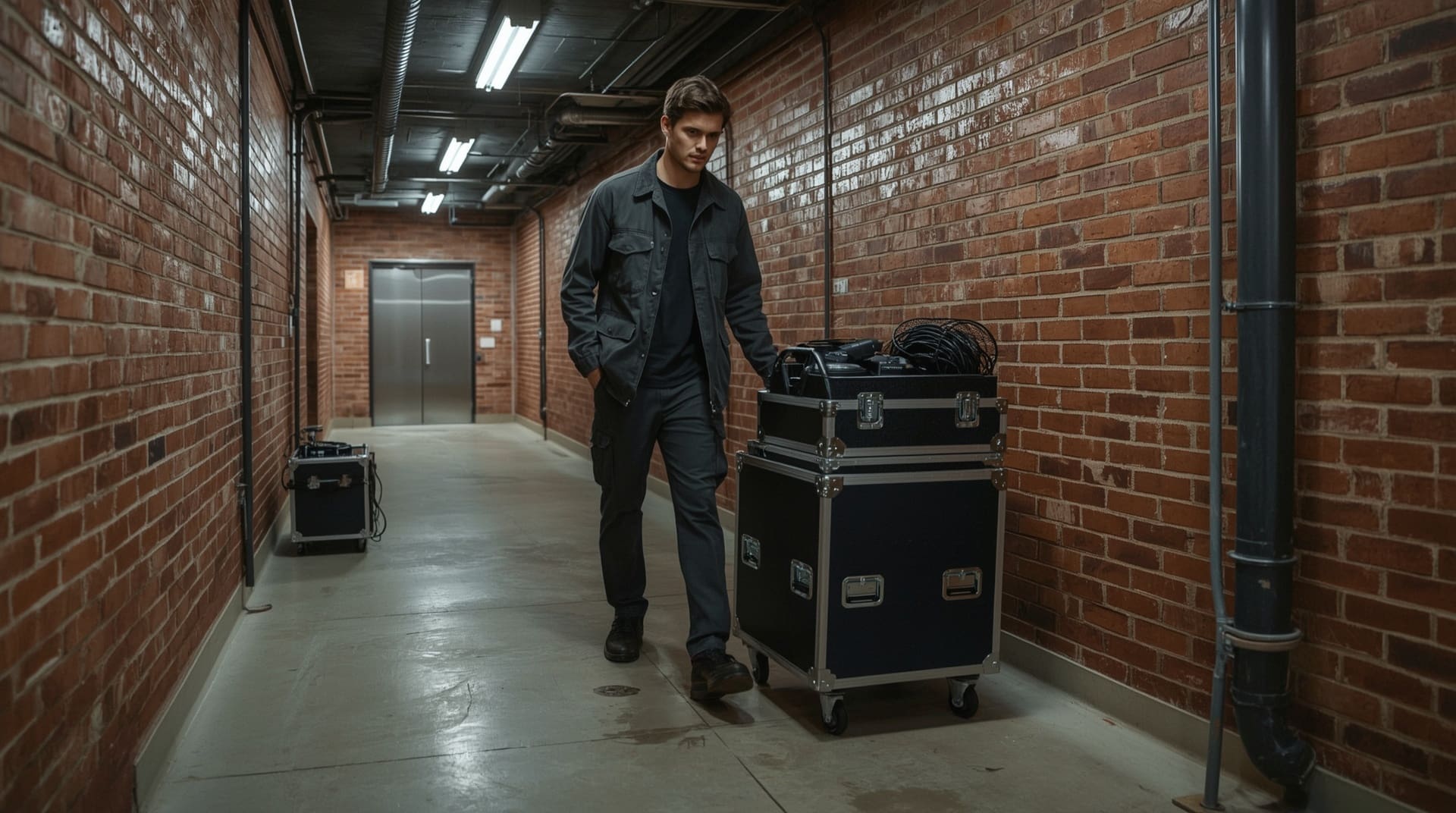
Even within the greater Raleigh metro, geography plays a role in what you pay. A DJ hired for an event in downtown Raleigh may quote differently than one working in Apex, Garner, or Wake Forest. Distance from the DJ’s base of operations, travel time, and local venue norms all factor into the final number.
Some DJs charge a travel fee for events beyond a certain mileage radius. Others build distance into a flat rate. Either way, booking a DJ for an event in an outer suburb like Fuquay-Varina or Knightdale is a different calculation than booking for a venue two miles from the DJ’s studio.
Venue location also affects logistics. Loading equipment into a rooftop venue, a ballroom on an upper floor, or a remote outdoor site takes more time and carries more risk than a ground-level ballroom with direct parking access. Those logistical differences translate into pricing differences that are rooted in local market norms.
Add-On Services That Push Prices Above the Base Market Rate
Base market rates typically cover a DJ, sound equipment, and a set number of hours. Any add-on beyond that core package will push your total above the standard local range. Knowing which add-ons exist helps you budget realistically instead of being surprised by a revised invoice.
Common add-ons that affect local DJ rates include lighting packages, a photo booth rental, MC services, early setup fees, and extended hours. Each of these has its own market rate in your area. In Raleigh, uplighting packages and photo booth add-ons have become increasingly common requests, and experienced DJs price them accordingly.
If you are comparing quotes across multiple DJs, make sure each quote includes the same scope of services. A quote that looks lower may simply have fewer items included. Comparing apples to apples requires knowing exactly what each price covers.
Seasonal Demand and How It Moves Local DJ Rates
DJ pricing is not static across the calendar year. Demand spikes during peak wedding and event seasons, and local DJ rates often reflect that reality. In the Raleigh area, spring and fall are the busiest seasons for weddings and outdoor events. During those windows, many DJs book out months in advance and may charge a premium for high-demand dates.
Saturday evenings are the most requested time slot in almost every local market. A DJ who could fit your event on a Tuesday in January may quote differently for a Saturday in October. That is not price gouging. It is a normal market response to scarcity of available dates.
Booking early gives you the most flexibility. You are more likely to find an experienced DJ with open availability, and some DJs offer early-booking incentives that keep your cost closer to the base market rate instead of the premium surge rate.
What a Fair Quote Looks Like in the Raleigh Market
A fair quote in the Raleigh market reflects the experience level of the DJ, the type and length of your event, the equipment involved, and any add-ons you have requested. It should be itemized clearly enough that you can see exactly what you are paying for. Transparency in a quote is itself a sign of a professional operation.
When you receive a quote that feels high, ask the DJ to walk you through the line items. Most reputable DJs are comfortable doing this because they know their pricing is justified. When a quote feels unusually low, ask the same questions. Understanding what is included protects you from surprises after you have signed a contract.
If you are budgeting for a wedding, reviewing dedicated wedding DJ pricing resources is a smart step. The wedding market has its own pricing norms that sit above the general DJ market, and knowing those norms before you start shopping puts you in a much stronger negotiating position.
Common Misconceptions About Local DJ Pricing
One of the most common misconceptions is that all DJs in the same city charge about the same. In reality, local markets have wide ranges. The difference between the lowest and highest quotes in a market like Raleigh can be substantial, and both ends can be legitimate depending on what you need.
Another misconception is that a higher price always means a better experience. Price is one signal of quality, but it is not the only one. Reviews, portfolio work, references from past clients, and a clear contract are equally important indicators of whether a DJ will deliver on the day of your event.
Some clients also assume that negotiating the price is always appropriate. In a professional services market, experienced DJs set rates that reflect their true costs and value. Asking for a small discount is reasonable. Asking a professional to cut their rate by a large margin usually signals a mismatch in expectations, and the best DJs will simply pass on that booking.
How to Use Market Rate Knowledge When Hiring a DJ
Armed with an understanding of how local market rates work, you can approach the hiring process with confidence. Start by gathering two or three quotes from DJs who serve your area and match your event type. This gives you a real-time snapshot of the current local range without relying on outdated averages from other markets.
Look at what each quote includes, how long the DJ has been operating, and whether they have specific experience with your event type. A DJ who specializes in weddings will price differently than one who primarily does club nights. Both can be excellent at what they do, but your event deserves someone whose experience aligns with your specific needs.
Finally, factor in the cost of a bad experience. A DJ who charges below market rates and underdelivers costs you more than just money. It costs you the experience you were planning for. Choosing a professional who prices fairly within the local market is an investment in the outcome of your event, not just a line item in your budget.
Final Thoughts on Market Rates and DJ Pricing
Local market rates are the foundation of every DJ quote you will receive. They reflect the economic reality of your area, the competitive landscape among DJs, and the expectations that come with different event types. Understanding them does not require a business degree. It just requires knowing what questions to ask and what factors to weigh.
In the Raleigh area, the DJ market is active and competitive, which means you have real options at multiple price points. The goal is not to find the cheapest option or the most expensive one. It is to find a professional whose experience, style, and pricing align with what your event actually needs. That alignment is where you get the best return on what you spend.
Frequently Asked Questions About Market Rates for DJ Services
Why do DJ prices vary so much within the same city?
DJ prices vary because the local market has multiple tiers based on experience, reputation, equipment quality, and specialization. A newer DJ with basic gear will sit at the lower end of the range, while an experienced professional with premium sound and lighting sits higher. Both are reflecting the same local cost structure, just at different quality levels.
How do I know if a DJ quote is fair for my area?
Get two or three quotes from DJs who serve your specific area and event type. Compare what each quote includes, not just the final number. If one quote is significantly lower than the others, ask what is not included. A fair quote in your local market will be consistent with what other reputable DJs are charging for comparable service.
Does the day of the week affect how much a DJ charges?
Yes. Saturday evenings are the most in-demand time slot in most local markets, including Raleigh. DJs may charge more for peak days because their availability is limited and demand is high. Booking a Friday or Sunday event can sometimes bring your cost closer to the base market rate.
Do travel fees affect local DJ rates in the Raleigh area?
They can. Some DJs include local travel within a certain radius in their base rate and charge separately for events beyond that range. If your venue is in an outer suburb or a rural location outside the DJ’s usual service area, ask upfront whether a travel fee applies. This helps you compare quotes accurately.
Is it worth paying above the average local DJ rate for more experience?
In most cases, yes. Experience means the DJ has managed real problems at live events, knows how to read a crowd, and has reliable backup equipment if something fails. For events where the atmosphere is critical, like weddings or large corporate gatherings, paying above the baseline market rate for a proven professional is usually worth the investment.