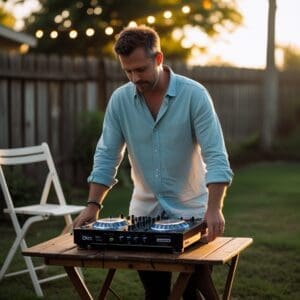
Your wedding ceremony has five distinct musical moments, and each one sets a different emotional tone. The music you choose shapes how your guests feel, how the ceremony flows, and how you’ll remember the day. Getting it right means knowing what each moment needs — not just picking songs you love.
This guide covers every musical segment of a wedding ceremony, from the prelude while guests are seated to the recessional as you walk out together. You’ll learn what works in religious versus secular settings, how to brief a live musician or DJ, and what common mistakes couples make when choosing ceremony music.
Key Takeaways
- Five musical moments need coverage — prelude, seating of family, processional, ceremony interludes, and recessional each serve a different purpose.
- Song length and timing matter as much as song choice — a processional song needs to last long enough for your full wedding party to walk the aisle.
- Religious venues have music restrictions — many churches and synagogues prohibit secular pop songs during the ceremony itself.
- Live music and recorded music have different planning timelines — live ensembles book 12-18 months out in peak season; DJs typically book 9-12 months out.
- Your musician or DJ needs a detailed cue sheet — timing, song titles, and start signals all belong in writing before the day.
- Genre consistency creates emotional coherence — mixing classical, pop, and folk across segments can feel disjointed unless tied together intentionally.
What Are the Five Musical Moments in a Wedding Ceremony?
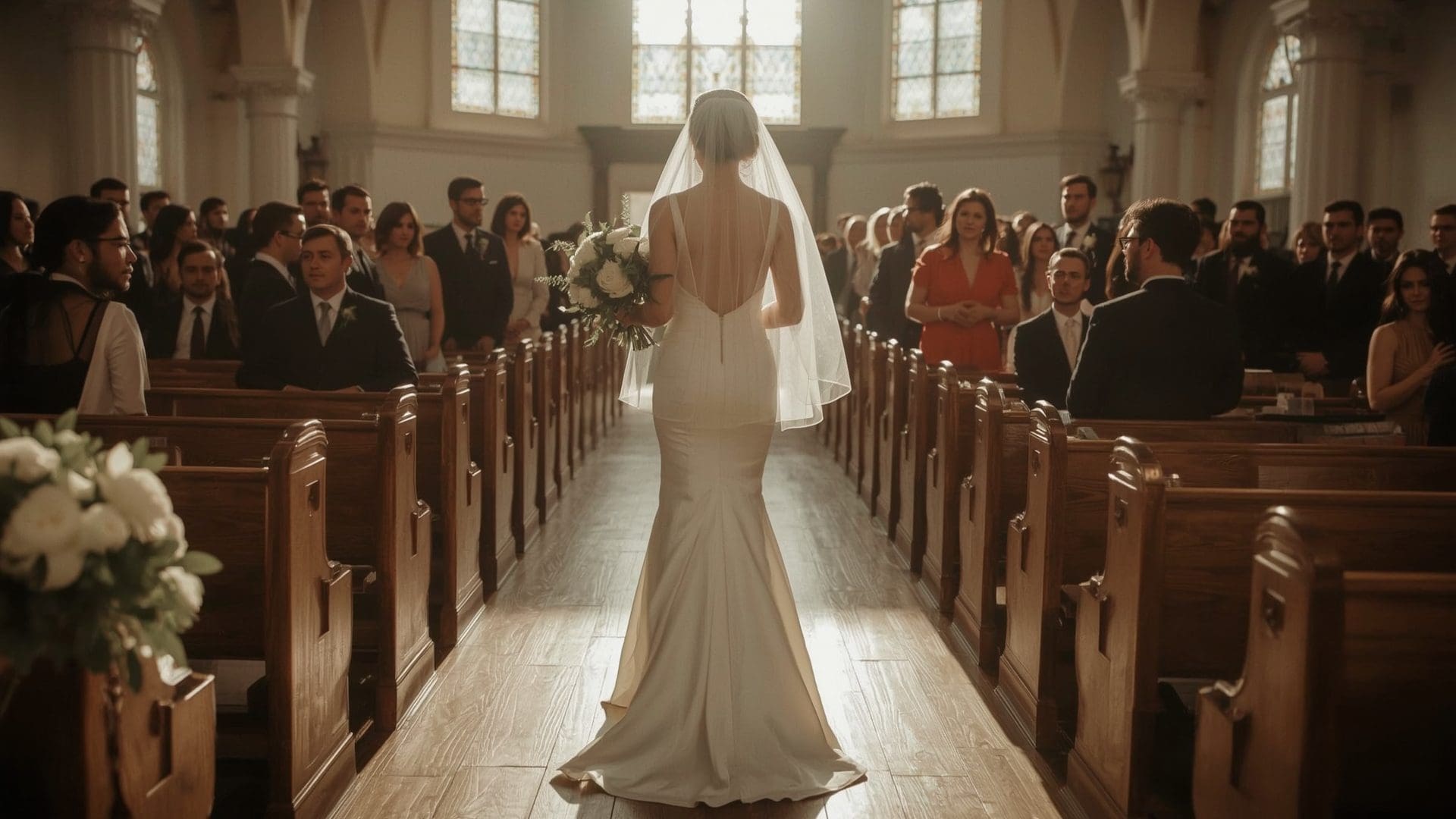
Quick Answer: The five ceremony music moments are the prelude (guests arriving), the seating of family, the bridal party processional, any interludes during the ceremony, and the recessional when the couple exits. Each requires a different mood and song length.
Think of your ceremony as a short film with a clear emotional arc. The music guides that arc from anticipation through joy.
Prelude: Setting the Mood Before It Starts
The prelude plays while guests find their seats, usually 20-30 minutes before the ceremony begins. This is background music — it shouldn’t demand attention, but it should feel intentional. Soft instrumental pieces, acoustic guitar, or a string quartet work well here.
Choose 4-6 songs for a 20-minute prelude. If you’re using a live musician, confirm they have enough repertoire to fill the time without repeating tracks.
Seating of Family: A Short but Meaningful Transition
The seating of parents and grandparents happens right before the processional. This moment is brief — typically one song or even one verse. It signals to guests that the ceremony is officially beginning. A soft, emotional piece works well here. Many couples use a song with personal meaning to the family members being seated.
Processional: The Walk Down the Aisle
The processional is usually two separate pieces: one for the bridal party and one for the person being given away or the couple entering together. The bridal party processional is typically slower and more understated. The main processional, when the couple or bride enters, is the emotional peak of the ceremony’s opening.
Processional songs need to be long enough. For a 12-person bridal party walking at a slow pace down a 50-foot aisle, you may need 3-4 minutes of music just for the bridal party alone.
Ceremony Interludes: Music Between the Spoken Moments
Interludes fill transitional silences — during the unity candle lighting, ring exchange, or a reading. These are often overlooked, but an awkward silence during the ring exchange is memorable for the wrong reasons. Choose instrumental pieces here; lyrics can distract from the ceremony’s spoken words.
Recessional: Walking Out as a Married Couple
The recessional is the most celebratory moment of the ceremony. This is where an upbeat, joyful song works perfectly. Many couples choose something unexpected here — an uptempo classical piece, a Motown classic, or even a rock anthem. The recessional signals pure celebration.
What Is the Difference Between Processional and Recessional Music?
Quick Answer: Processional music plays as the wedding party walks toward the altar — it’s typically slower and more ceremonial. Recessional music plays as the couple exits after the ceremony — it’s upbeat and celebratory. The two serve opposite emotional purposes.
Many couples make the mistake of choosing the same musical style for both. The processional should feel like anticipation and reverence. The recessional should feel like a party just started.
Processional Music: Tone and Tempo Guide
For religious ceremonies, traditional options like “Canon in D” by Pachelbel or “Jesu, Joy of Man’s Desiring” by Bach remain widely used because they feel timeless and neutral. For secular ceremonies, string quartet arrangements of modern songs — Coldplay’s “A Sky Full of Stars” or Ed Sheeran’s “Thinking Out Loud” — are common choices.
The tempo should allow for a slow, intentional walk. If the beat is too fast, the processional looks rushed. A tempo of 60-80 BPM (beats per minute) is typically right for a walking pace.
Recessional Music: Energy and Style Guide
Recessional songs can break genre expectations. Beethoven’s “Ode to Joy,” Stevie Wonder’s “Signed, Sealed, Delivered,” and The Beatles’ “All You Need Is Love” are all popular recessional choices across different ceremony styles. The goal is pure joy — guests should feel like applauding as you walk past.
How Do You Choose Ceremony Music for a Religious Setting?
Quick Answer: Religious venues like Catholic churches, Jewish synagogues, and Baptist churches often restrict secular or pop music during the ceremony. Always check with your officiant or music director first. Pre-approved sacred music lists are common in Catholic and Lutheran ceremonies.
Religious music restrictions vary widely by denomination and even by individual congregation. Some are strict, others flexible. Never assume — always ask your officiant before planning your music.
Catholic Ceremony Music Requirements
Catholic ceremonies require liturgically appropriate music. The USCCB (United States Conference of Catholic Bishops) guidelines state that music in Mass should be sacred in character. Secular pop songs are typically not permitted during the Mass itself. However, pre-ceremony prelude music and post-ceremony recessional music are often more flexible at the discretion of the parish music director.
Common approved pieces include Schubert’s “Ave Maria,” Handel’s “Hallelujah Chorus,” and hymns from the approved parish repertoire.
Jewish Ceremony Music Traditions
Jewish ceremonies include the processional under the chuppah (wedding canopy). Traditional music like “Erev Shel Shoshanim” or Debbie Friedman’s “Shehecheyanu” is common in Conservative and Orthodox ceremonies. Reform ceremonies tend to have more flexibility with secular music. The hora — a circle dance — is typically part of the reception, not the ceremony itself, but it’s worth noting as a cultural musical tradition.
Non-Denominational and Civil Ceremony Flexibility
Non-denominational and civil ceremonies have no religious music restrictions. This opens the door to anything from classical orchestral pieces to acoustic pop covers to original compositions. The only guideline is what feels right to you as a couple.
What Are the Best Instruments for Live Wedding Ceremony Music?
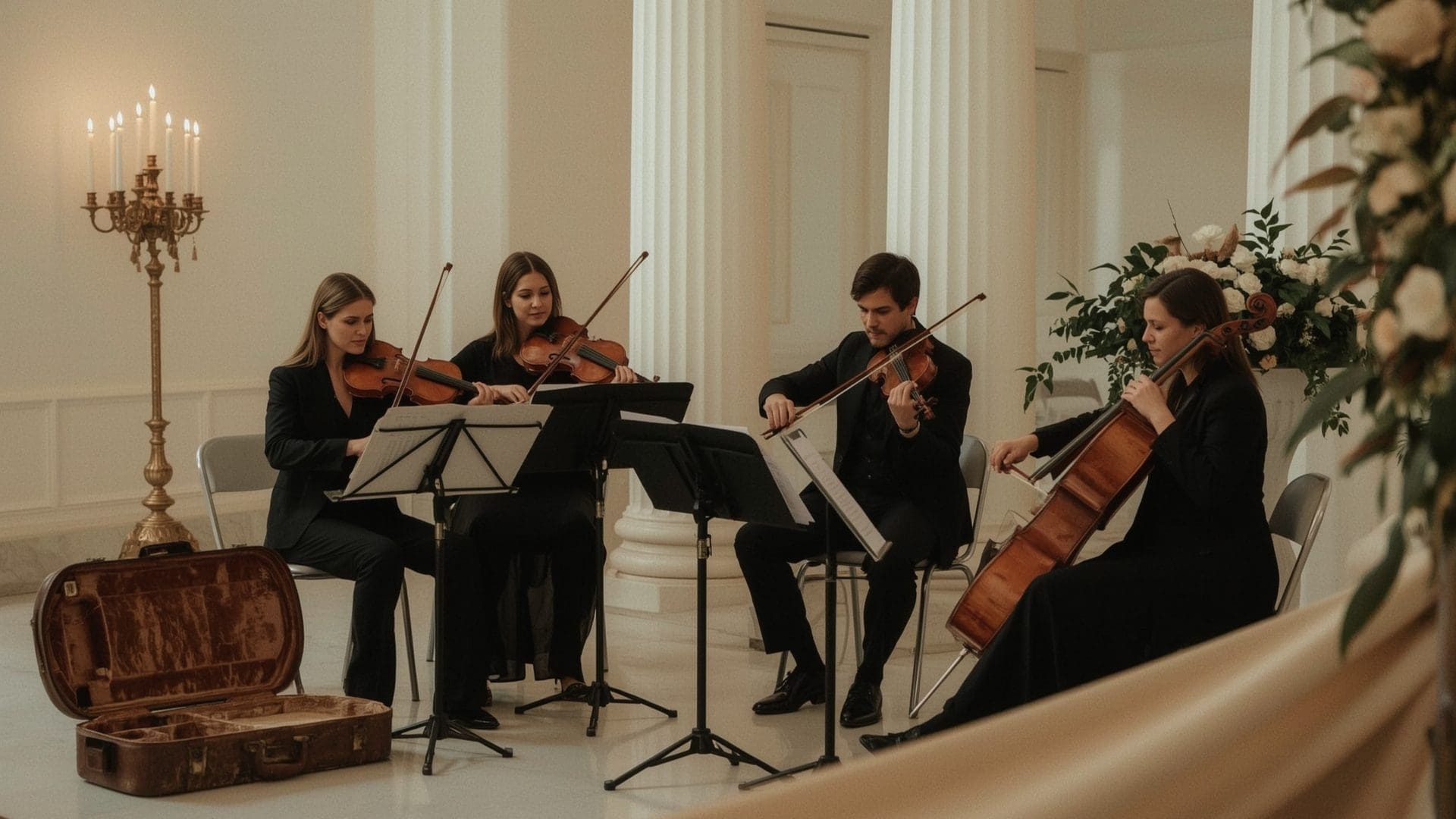
Quick Answer: String quartets, solo harpists, classical guitarists, and pianists are the most popular live instrument options for wedding ceremonies. Each suits different venue sizes and acoustic environments. String quartets work for larger venues; solo instruments suit intimate settings.
| Instrument/Ensemble | Best Venue Size | Typical Cost Range | Amplification Needed | Repertoire Flexibility |
|---|---|---|---|---|
| String Quartet | Medium to large (100+ guests) | $800-$2,500 | Rarely needed indoors | High (classical + modern covers) |
| Solo Harpist | Intimate (under 80 guests) | $400-$1,200 | Often needed outdoors | Moderate (classical-leaning) |
| Classical Guitarist | Small to medium (under 120 guests) | $300-$900 | Often needed | High (classical, folk, pop) |
| Solo Pianist | Venue-dependent (requires piano) | $400-$1,500 | Varies | Very high |
| Vocalist + Accompanist | Any | $500-$1,800 | Usually needed | High (requires rehearsal time) |
| Brass Duo (Trumpet + Organ) | Large (150+ guests) | $600-$1,600 | Rarely needed | Moderate (ceremonial/classical) |
Outdoor Ceremony Sound Considerations
Outdoor ceremonies change everything acoustically. Wind, ambient noise, and open space mean that unamplified instruments often can’t be heard past the first few rows. Even a string quartet may need a small PA system outdoors. Budget for amplification when planning any outdoor live music.
If you’re using a DJ or recorded music outdoors, confirm your venue has an outdoor power supply and that your DJ brings a weather-appropriate speaker setup.
How Much Does Wedding Ceremony Music Cost?
Quick Answer: Wedding ceremony music costs range from $0 (DIY playlist via Bluetooth speaker) to $3,000+ for a live string quartet. Most couples spend $300-$1,500 on ceremony music alone, depending on whether they choose a live musician, a DJ, or a sound system rental.
| Option | Average Cost | What’s Included | Best For |
|---|---|---|---|
| DIY Spotify/Apple Music Playlist | $0-$50 (speaker rental) | Self-curated playlist on personal device | Micro-weddings, elopements |
| DJ (ceremony add-on) | $200-$600 (add-on fee) | Sound system, mic, curated music, MC | Couples booking DJ for reception too |
| Solo Musician | $300-$1,200 | 1-2 hours, ceremony songs, consultation | Intimate ceremonies under 100 guests |
| String Quartet | $800-$2,500 | Prelude + ceremony coverage, limited rehearsal | Formal ceremonies, larger venues |
| Vocalist + Live Band | $1,500-$5,000+ | Full ceremony coverage, rehearsals, performance | Large ceremonies prioritizing performance |
What Hidden Costs Should You Watch For?
Travel fees are the most commonly overlooked expense. Many musicians charge a travel surcharge beyond 25-50 miles from their base location. Sound system rental, overtime fees if your ceremony runs long, and sheet music licensing for a live performance are additional line items to clarify upfront.
Ask your musician for a fully itemized quote before signing a contract. “All-inclusive” pricing language in contracts should be verified in writing.
How Do You Create a Ceremony Music Cue Sheet?

Quick Answer: A ceremony music cue sheet is a written document that lists every song, its start cue, the expected duration, and who signals the musician or DJ to begin. It prevents miscommunication on the wedding day and is required by most professional musicians and DJs.
Your officiant, wedding coordinator, and musician or DJ should all have a copy of this document at least two weeks before the wedding day.
What to Include on a Cue Sheet
- Segment name — prelude, seating of parents, bridal party processional, main processional, interlude, recessional
- Song title and artist — including the specific version or arrangement (e.g., “Canon in D — string quartet arrangement, not orchestral”)
- Start cue — who gives the signal and how (a nod from the officiant, a hand signal from the coordinator)
- Estimated duration needed — how long the music should play before fading or stopping
- Fade instructions — gradual fade or hard stop when the segment ends
- Backup plan — what the musician plays if a segment runs long unexpectedly
Timing Your Processional Song Correctly
Walk through the processional timing before finalizing your song. Count the number of people walking, estimate the aisle length at a slow pace, and calculate total walk time. A 60-foot aisle at a slow processional pace takes roughly 45-60 seconds per person. A bridal party of 8 people could need 6-8 minutes of continuous music before the main processional even begins.
Use a stopwatch during your venue walkthrough. Then confirm your chosen song is long enough, or instruct your DJ to loop a section or transition between two songs seamlessly.
What Songs Work Well as Ceremony Interludes?
Quick Answer: Instrumental pieces work best as ceremony interludes because they fill silence without distracting from the ceremony’s words or visuals. Classical pieces, acoustic guitar instrumentals, and piano solos are common choices. Avoid songs with lyrics during vow exchanges or ring ceremonies.
| Ceremony Moment | Duration Needed | Recommended Style | Example Pieces |
|---|---|---|---|
| Unity candle lighting | 2-4 minutes | Soft instrumental | Clair de Lune (Debussy), Air on the G String (Bach) |
| Ring exchange | 1-2 minutes | Ambient or classical | Gymnopédie No. 1 (Satie), acoustic guitar piece |
| Reading by a guest | 0-2 minutes (optional) | Soft background or silence | Piano underscoring or none at all |
| Sand ceremony | 2-3 minutes | Warm, flowing instrumental | Somewhere Over the Rainbow (instrumental), Comptine d’un autre été |
| First kiss and announcement | Immediate transition to recessional | Pause, then recessional cue | Recessional begins at officiant’s signal |
How Far in Advance Should You Book Ceremony Musicians?
Quick Answer: Book ceremony musicians 12-18 months before your wedding date if you’re getting married in peak season (May-October). For off-peak dates, 6-9 months is usually sufficient. String quartets and soloists in major cities book out fastest and should be secured earliest.
| Music Option | Peak Season Booking Lead Time | Off-Peak Lead Time | Deposit Typical Range |
|---|---|---|---|
| String Quartet | 12-18 months | 6-9 months | 25-50% of total fee |
| Solo Harpist | 10-15 months | 4-8 months | 25-50% |
| Classical Guitarist | 9-12 months | 3-6 months | 25-33% |
| DJ (ceremony add-on) | 9-12 months | 3-6 months | 20-33% |
| DIY Playlist | No booking needed | No booking needed | N/A |
What to Discuss in Your Musician Consultation
Before signing with any musician, confirm three things: their familiarity with your venue (have they played there before?), their backup plan if a member of the ensemble is sick, and whether they carry liability insurance. Some ceremony venues require vendors to provide proof of insurance before the event.
Also confirm who handles the sound system. Many string quartets and solo musicians do not provide PA equipment. If your venue doesn’t have a built-in sound system, you may need to rent one separately or add it to your DJ contract.
What Are Common Mistakes Couples Make With Ceremony Music?
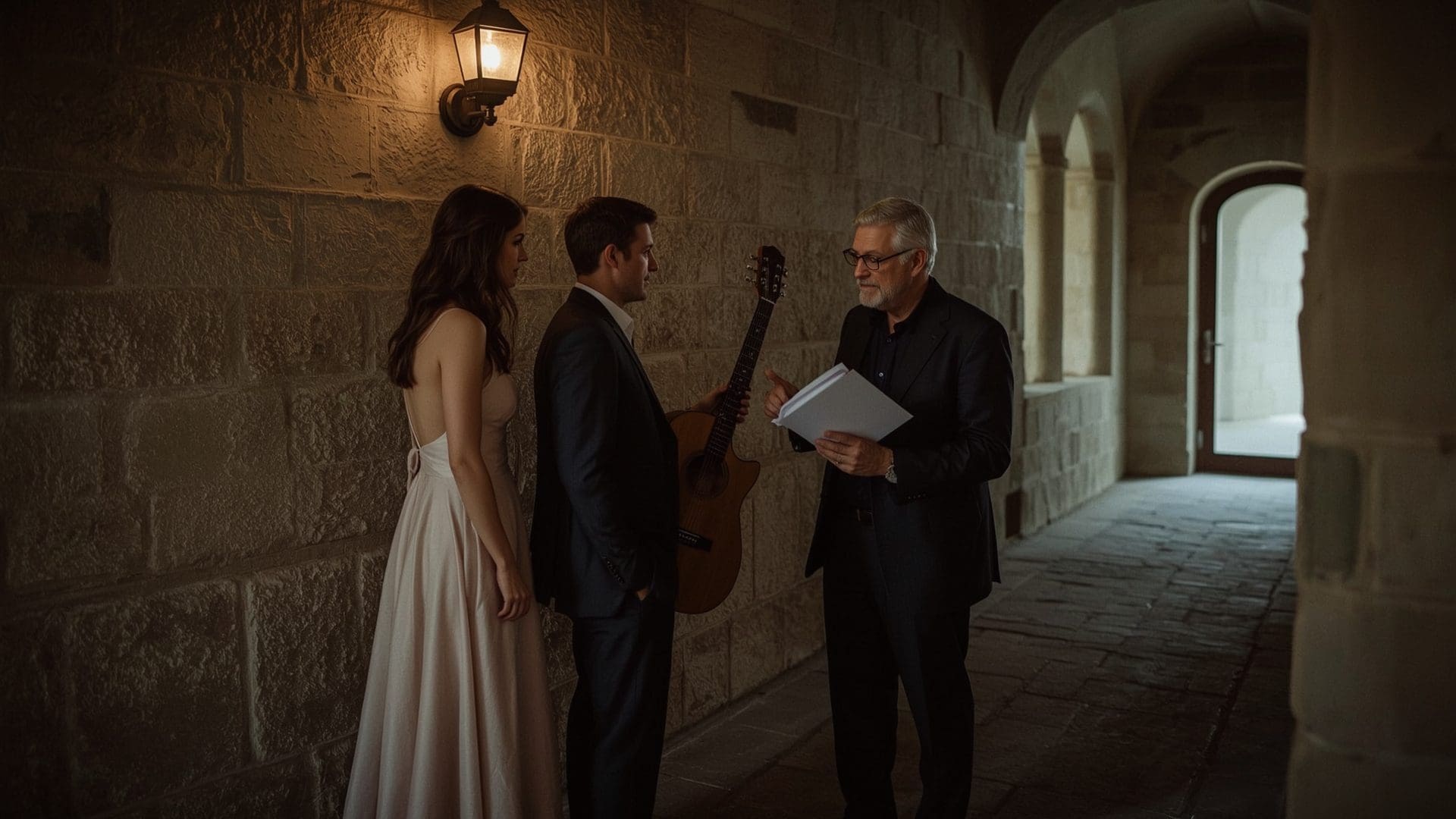
Quick Answer: The most common mistakes are choosing songs that are too short for the processional walk, forgetting to plan interlude music, not checking religious venue restrictions in advance, and failing to give the musician or DJ a written cue sheet. These errors cause awkward silences or rushed walking on the wedding day.
Mistake: Choosing a Song Without Checking the Length
A song that’s 3 minutes long on Spotify may only have 90 seconds of the melodic section you want. The intro, bridge, and outro may not work for a walking processional. Always listen to the full song and identify the exact section you want played. Tell your musician or DJ explicitly where to start and whether to loop or fade.
Mistake: Ignoring the Prelude
Many couples plan the processional and recessional in detail but forget the prelude entirely. Guests sit in silence or your musician improvises for 25 minutes. That’s a long time. Create a specific prelude playlist and give it to your musician or DJ. Even if guests don’t consciously notice it, it sets the emotional tone of everything that follows.
Mistake: Mixing Genres Without Intention
Playing a classical string arrangement for the processional, an acoustic pop song for the interlude, and a hip-hop track for the recessional can feel jarring. Genre contrast can work — but it needs intention. If you want an unexpected recessional, make sure the rest of your ceremony has built toward it emotionally, rather than it feeling random.
Mistake: Forgetting the Officiant Signal
Your musician or DJ cannot see what’s happening at the altar. They need a clear, pre-agreed signal from your officiant or coordinator to know when to start the recessional. Many couples forget to establish this. Without it, there’s a confusing pause between the first kiss announcement and the music starting.
How Do You Choose Ceremony Music That Reflects Your Personality?
Quick Answer: Start with the emotional tone you want guests to feel, then work backward to find songs that create that feeling. Couples who want a formal, classic ceremony lean toward Bach, Handel, or Pachelbel. Couples who want something modern and personal often choose string arrangements of their favorite artists.
You don’t have to pick from a “wedding songs” list. Any song that means something to you and fits the acoustic requirements of your venue is a valid choice. The constraint isn’t tradition — it’s practicality.
Questions to Ask Yourselves When Choosing
- What do we want guests to feel when they hear this song?
- Does this song have personal meaning to us as a couple?
- Is the tempo right for the pace we’ll be walking?
- Are there lyrics, and if so, are they appropriate for this moment?
- Does this song work in the acoustic environment of our venue?
- Is there a live arrangement available, or will we use the recorded version?
Building Coherence Across All Five Moments
The most memorable ceremonies feel like a single unified experience, not a playlist of random songs. One way to build coherence is to pick a “sonic theme” — classical, folk, modern acoustic, jazz — and stay within it. Another approach is to connect the ceremony music to your reception music so the whole day flows as one emotional arc.
If your reception leans toward a particular artist or era, consider working that same artist or style into your ceremony music. It creates a subtle but satisfying through-line for guests and for you.
Frequently Asked Questions About Wedding Ceremony Music
Can you use copyrighted songs at a wedding ceremony?
Private wedding ceremonies are generally not subject to public performance licensing because they’re not open to the public. However, if your ceremony is live-streamed or recorded for commercial use, copyright rules become more complex. Consult a music licensing service like ASCAP or BMI if you’re broadcasting your ceremony online.
What is a unity song, and how is it different from an interlude?
A unity song is a specific piece of music played during a symbolic unity ritual — like the lighting of a unity candle or a sand ceremony. An interlude is a broader term for any music played between spoken segments. All unity songs are interludes, but not all interludes accompany a ritual.
Do you need a separate musician for the ceremony and reception?
Not necessarily. Many DJs offer a ceremony add-on package that covers both. A live band can also perform during the ceremony before transitioning to the reception. The key variable is whether your ceremony and reception are in the same location or require the musician to travel and reset between the two.
How do you handle music during an outdoor ceremony with wind noise?
Outdoor acoustic performance requires amplification in most cases. Work with your venue coordinator to identify power sources for a PA system. A directional speaker setup aimed at the seating area, rather than an omni-directional speaker, reduces feedback and ambient noise interference significantly.
What is the average length of a wedding ceremony?
Most non-religious wedding ceremonies last 20-30 minutes. Catholic Nuptial Masses run 45-75 minutes. Jewish ceremonies are typically 30-45 minutes. These lengths directly affect how much music you need, particularly for the prelude, which must fill the entire guest-arrival window before the ceremony begins.
Should the couple choose all ceremony music, or defer to the officiant?
In religious ceremonies, the officiant or music director often has final approval over what music is permitted. In civil and non-denominational ceremonies, the choice is entirely yours. Either way, discuss your preferences with the officiant early in the planning process — ideally at your first planning meeting, not the week before the wedding.