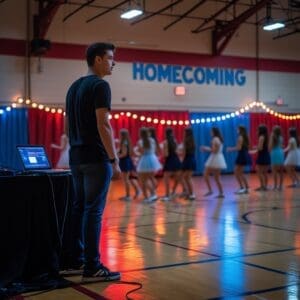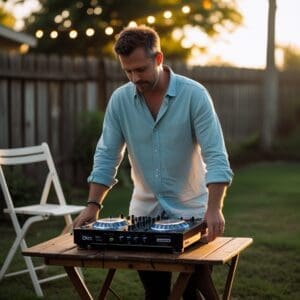
Booking entertainment for your wedding is one of the biggest decisions you will make. DJ packages bundle the services, gear, and hours you need into a single price, making it easier to budget and compare. But not every package is built the same, and choosing the wrong one can leave you missing key services on the most important night of your life.
This guide breaks down how dj packages are structured, what each tier typically includes, and what questions you should ask before you sign anything. Whether you are planning an intimate ceremony or a large reception in Raleigh, North Carolina, the right information makes all the difference.
Ready to learn more? Explore our full DJ services to see everything we offer for weddings and special events in the Raleigh area.
What a Wedding DJ Package Actually Includes
A wedding DJ package is a pre-built service bundle that covers some combination of equipment, time, and DJ expertise. Most packages are designed to handle a specific portion of your event, such as the ceremony, cocktail hour, or reception. Understanding what is bundled versus what costs extra is the first step to making a smart choice.
Typical inclusions across most tiers are:
- A professional DJ and MC (master of ceremonies) for your event
- A sound system sized for your venue
- A set number of hours of coverage
- Basic wireless microphone for vows or toasts
- Music planning consultations before the event
Add-ons like uplighting, photo booths, or extra hours are usually purchased separately. Knowing this upfront helps you compare apples to apples when you review dj package options from different providers.
The Three Common Tiers of DJ Packages for Weddings
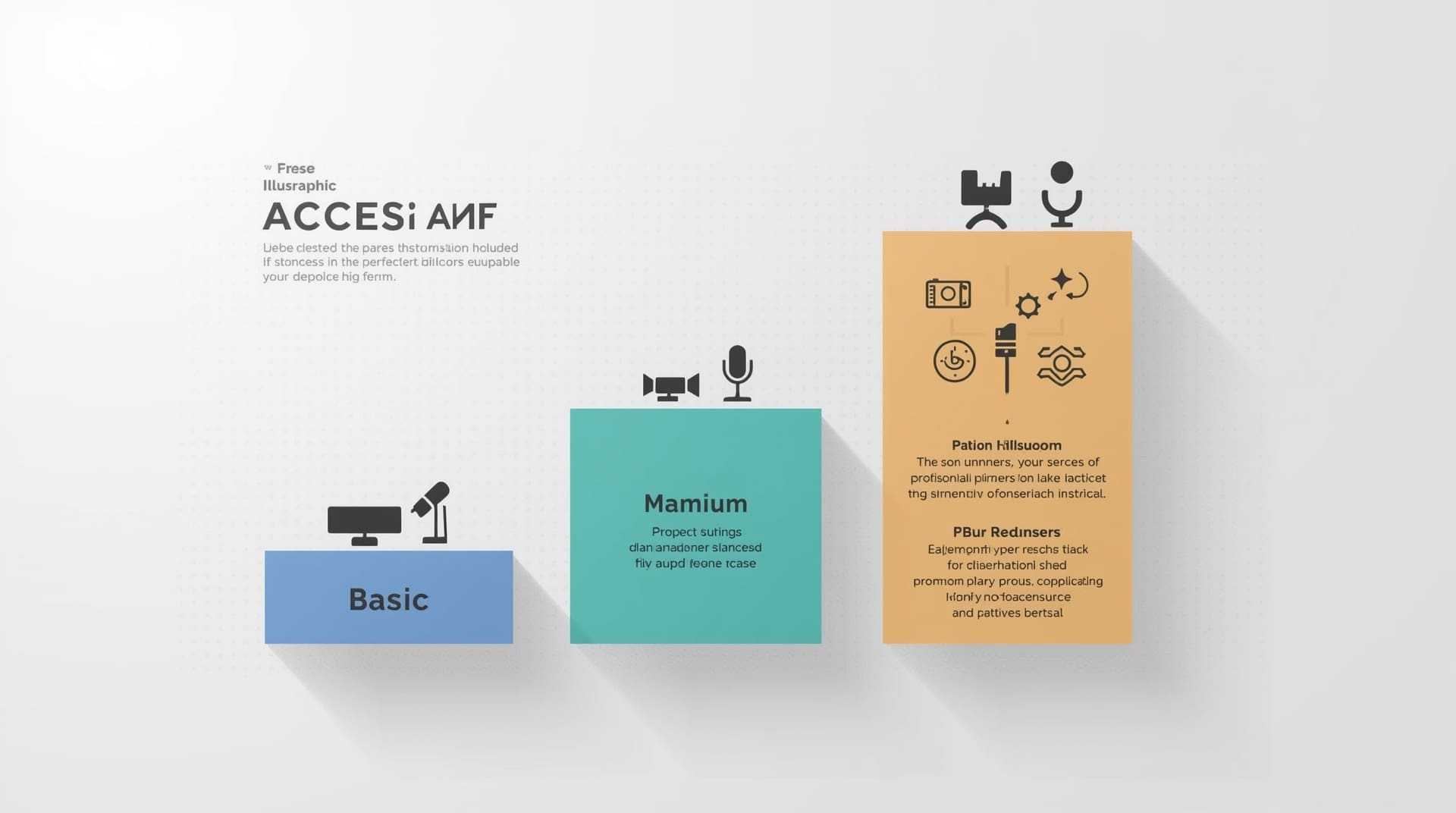
Most DJ companies structure their offerings into three broad tiers: essential, standard, and premium. Each tier adds more services, more gear, and more hours. The right tier depends on your venue size, guest count, and how much production value you want your event to have.
Essential Tier
The essential tier is the most affordable option and covers the basics. It typically includes a DJ for the reception only, a standard sound system, and a wireless microphone for toasts. This tier works well for smaller weddings with 75 guests or fewer, held in venues that already have some built-in acoustics.
If your ceremony is in a different location or you want cocktail hour music, you will likely need to upgrade or add those hours separately.
Standard Tier
The standard tier is the most popular choice for mid-size weddings. It usually adds ceremony or cocktail hour coverage, an upgraded sound system, and more planning time with your DJ. Many couples find this level handles everything comfortably without feeling like they are overpaying.
Premium Tier
The premium tier is built for larger events or couples who want a high-impact experience. It often includes all three event phases (ceremony, cocktail hour, and reception), additional speakers, extended hours, and entertainment upgrades like a photo booth or lighting effects. A complete wedding DJ package at this level gives you a fully produced night from start to finish.
Key Services That Set a Wedding DJ Package Apart
Two DJ packages can look similar on paper but feel very different in person. A few key services separate a forgettable package from one that makes your reception unforgettable. Pay close attention to these details when comparing options.
MC Services and Announcements
A skilled DJ doubles as your MC for the night. That means announcing the wedding party, cueing the first dance, and keeping the timeline moving without awkward gaps. Not every package includes true MC service, so confirm this before booking.
Sound System Quality and Sizing
The size of your venue dictates the speaker and subwoofer requirements. A system built for 100 guests sounds thin in a ballroom that holds 300. Ask your DJ how they size their equipment to your specific venue, and verify that what is in the package matches your guest count.
Wireless Microphones
You need at least one wireless microphone for vows, toasts, and announcements. Premium setups include two or more wireless units so that multiple speakers can address the crowd without passing a single mic around. Confirm how many are included in your chosen tier.
Music Planning and Consultation
Good packages include pre-event consultations where you walk through your song list, do-not-play list, and timeline. Some providers offer an online planning portal so you can submit requests and review music choices before the big day. This is a detail that saves a lot of stress in the final weeks before your wedding.
| Feature | Essential | Standard | Premium |
|---|---|---|---|
| Reception Coverage | Yes | Yes | Yes |
| Ceremony / Cocktail Hour | Add-on | Included | Included |
| Wireless Microphones | 1 | 1-2 | 2+ |
| Uplighting | No | Add-on | Often Included |
| Photo Booth | No | Add-on | Add-on |
| Music Planning Portal | Basic | Full | Full |
Popular Add-Ons That Upgrade Any DJ Package
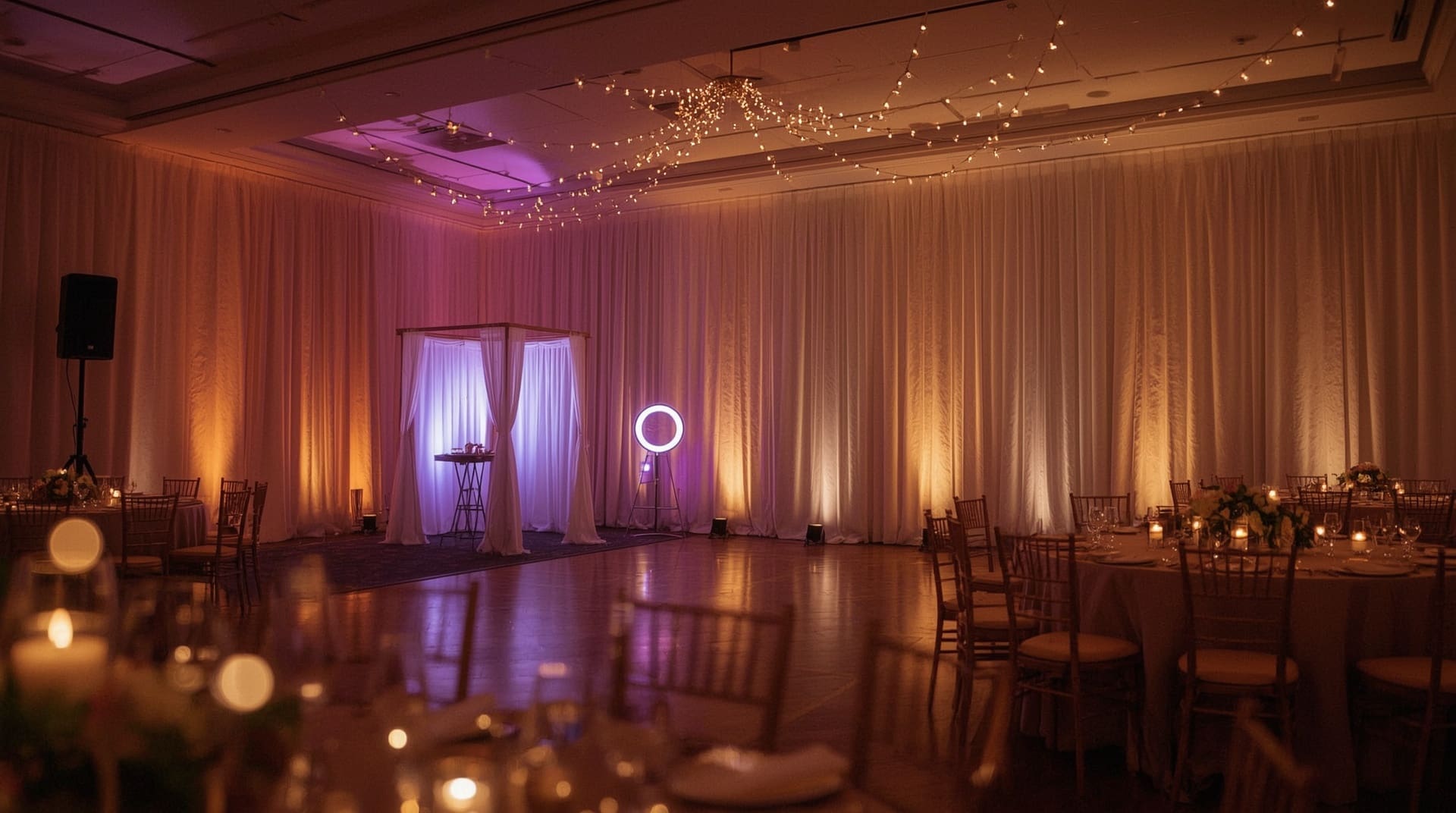
Add-ons let you customize a base package without paying for features you do not need. They are a smart way to get more value when your budget is flexible but not unlimited. Here are the most popular add-ons couples in the Raleigh area request.
Uplighting and Ambient Lighting
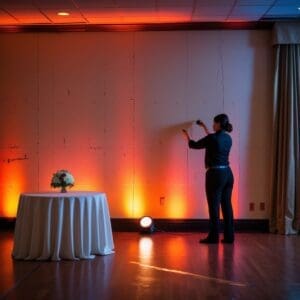
Uplighting uses LED fixtures placed around the perimeter of your venue to wash the walls in color. It transforms a plain banquet hall into something that looks polished and intentional. Most couples choose a color that matches their wedding palette.
Photo Booth Rental
A photo booth gives guests a fun activity between dances and sends them home with a physical memento. Modern options include AI-powered booths and 360-degree spin booths that capture slow-motion video. These are popular additions to any wedding DJ package and are easy to bundle at a discount when booked together with your DJ service.
Extra Hours
Receptions often run long. Adding extra hours to your package in advance is always cheaper than requesting overtime on the night of the event. Budget for at least one overtime hour as a cushion, especially if your guest list includes people who love the dance floor.
Second Speaker Setup for Ceremony
If your ceremony is in a separate space within the same venue, a second speaker setup ensures your vows and processional are heard clearly. This is a common add-on for outdoor ceremonies or venues with large layouts.
Understanding DJ Package Pricing and What Drives Cost
DJ package pricing varies based on several factors. Knowing what drives cost helps you evaluate whether a quote represents fair value or a red flag. The cheapest option is rarely the best choice for an event as important as your wedding.
Experience and Reputation
A DJ with a deep portfolio of weddings, strong reviews, and professional equipment will cost more than someone just starting out. That premium usually reflects reliability, technical skill, and the ability to read a crowd. For a wedding, that experience is worth the investment.
Hours of Coverage
More hours means a higher price. A five-hour reception package will cost more than a three-hour one. Map out your full event timeline before requesting quotes so you are comparing packages with the same coverage window.
Equipment Quality
Professional-grade sound systems, backup equipment, and quality lighting rigs cost more to own and maintain. A DJ who brings professional gear and carries backup equipment in case of failure is offering something real for that higher price point.
Travel and Venue Location
Some DJs charge a travel fee for venues outside their primary service area. If your venue is in a town outside Raleigh, confirm whether travel is included or billed separately. This can add a meaningful amount to your final total if you are not prepared for it.
Common Mistakes Couples Make When Comparing DJ Packages
Choosing a wedding DJ package is not just about price. Many couples make avoidable mistakes that lead to disappointment on the day of the event. Here are the most common ones to watch for.
Focusing Only on Price
A lower price might mean fewer hours, older equipment, or a less experienced DJ. Always compare what is included side by side before deciding. A difference of a few hundred dollars between packages often reflects a meaningful difference in quality or coverage.
Not Reading the Contract
Your DJ contract should spell out every service, every hour, every piece of equipment, and every fee. Read it carefully before signing. Pay special attention to overtime rates, cancellation policies, and what happens if the DJ becomes unavailable on your date.
Booking Too Late
Experienced DJs in markets like Raleigh book up quickly, especially for peak wedding season dates from April through October. If you find a DJ you love, secure the date with a deposit as soon as possible. Waiting too long often means settling for your second or third choice.
Skipping the Consultation
A pre-booking consultation lets you assess the DJ’s communication style, professionalism, and willingness to customize. If a DJ skips this step or rushes through it, that is a sign of how they will communicate throughout the planning process.
How Your Venue Affects Which Package You Need
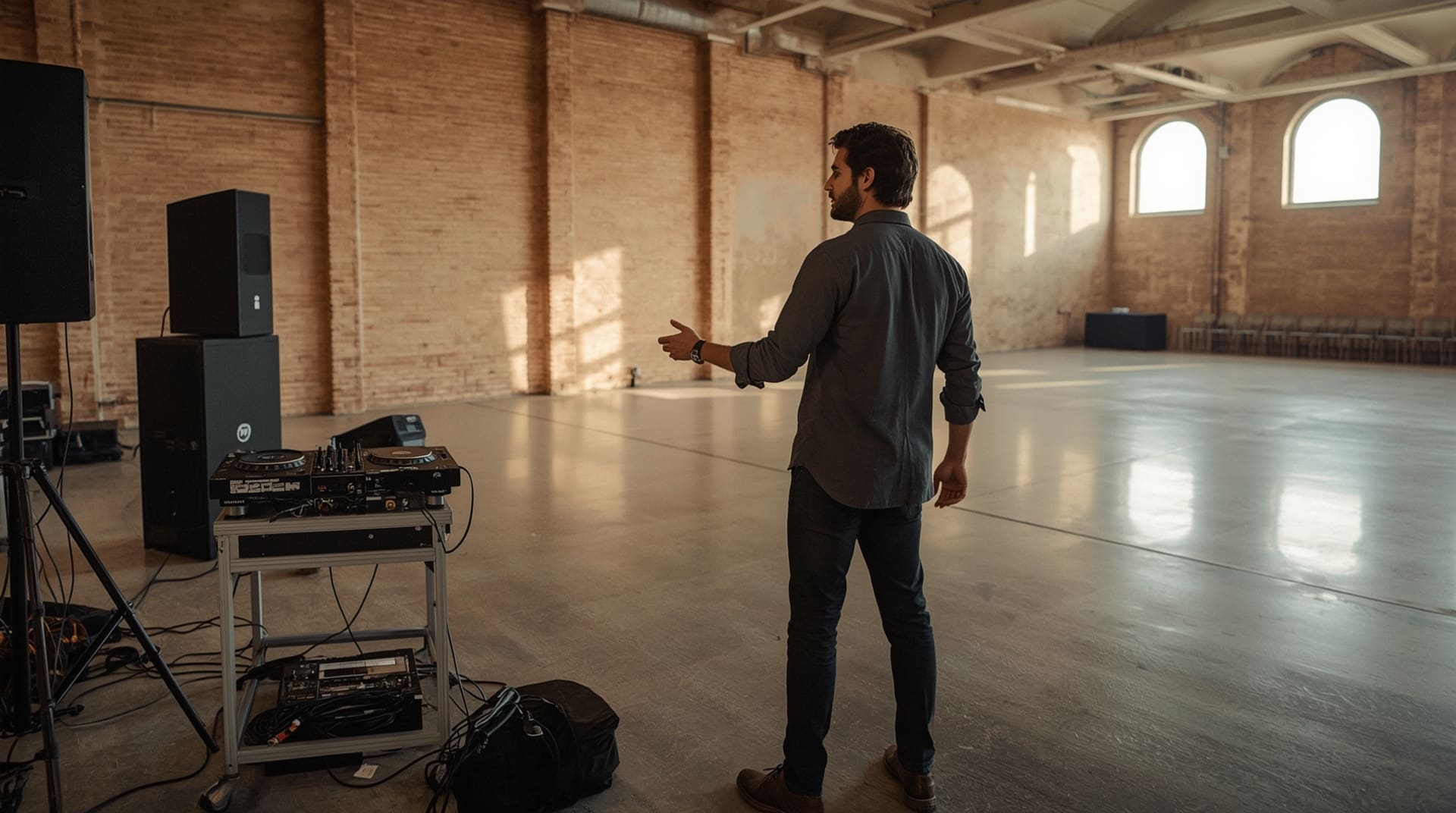
Your venue plays a major role in which wedding DJ package makes sense for your event. Venue size, layout, acoustics, and any house rules about sound levels all influence the gear and coverage you need. Choosing a package without factoring in your venue is one of the most common planning mistakes couples make.
Outdoor venues typically require more powerful speakers and may need generators or longer cable runs. Ballrooms with high ceilings need systems with strong mid-range projection. A reputable DJ will do a site visit or review venue specs before recommending a package, so your sound fills the room without distortion.
Also ask whether your venue has a noise curfew or vendor restrictions. Some historic properties and upscale estates limit the decibel level or specify that sound must end by a certain time. Your DJ needs to know these rules in advance so the package timeline is planned correctly from the start.
Questions to Ask Before Signing a DJ Package Contract
Asking the right questions before you commit protects you and sets clear expectations. Do not hesitate to ask any of these during your consultation.
- How many weddings have you DJed, and do you specialize in weddings?
- What equipment is included in this specific package?
- Do you bring backup equipment to every event?
- How many consultations or planning calls are included?
- What is your overtime rate if we run past the scheduled end time?
- What is your cancellation and refund policy?
- Will you personally DJ my event, or could it be a different person from your company?
- How do you handle music requests from guests on the night of the event?
A professional DJ will answer every one of these questions clearly and without hesitation. If answers feel vague or evasive, trust your instincts and keep looking.
Final Thoughts on Wedding DJ Packages
The right dj packages give you peace of mind, a clear budget, and a professional who knows how to keep your reception moving. The goal is not to find the cheapest option but to find the best fit for your venue, your guest count, and the kind of experience you want your guests to remember. A great DJ does far more than play songs. They manage the energy of the room, keep the timeline on track, and make sure every moment lands the way you planned it.
Take time to compare package tiers carefully, ask direct questions, and read every contract before you sign. Couples across the Raleigh area find that investing in the right wedding DJ package is one of the decisions they are most glad they made. Start your search early, trust your gut during consultations, and book the DJ who makes you confident your night is in good hands.
Frequently Asked Questions About Wedding DJ Packages
What is typically included in a standard wedding DJ package?
A standard wedding DJ package usually covers reception coverage, a professional sound system, one or two wireless microphones, and a music planning consultation. Some standard tiers also include ceremony or cocktail hour coverage. Always confirm exactly what is included before booking, because package contents vary between providers.
How many hours should a wedding DJ package cover?
Most receptions run four to six hours from the start of cocktail hour through the end of the dance floor. A package that covers five hours is a common and practical choice. If your event timeline is longer, either choose a package with more hours built in or confirm the overtime rate upfront.
Is a photo booth included in wedding DJ packages?
Photo booths are usually offered as an add-on rather than a standard inclusion. Some premium tiers bundle them at a discount, but most packages price them separately. Booking your DJ and photo booth together with the same provider often saves money compared to sourcing them independently.
How far in advance should I book a wedding DJ package?
For peak wedding season dates, booking six to twelve months in advance is strongly recommended. Popular DJs in busy markets fill their calendars quickly. Even for off-season dates, booking at least three to four months ahead gives you access to the best available talent and avoids last-minute compromises.
Can I customize a wedding DJ package with specific add-ons?
Yes. Most DJ companies allow you to start with a base tier and add services like uplighting, extra hours, a second speaker setup, or a photo booth. Customizing a package lets you control costs while still getting the specific features that matter most to you. Ask your DJ to itemize each add-on so you can build a final quote that fits your budget.