Wedding DJ packages bundle sound equipment, music, an MC, and often lighting into a single service tier, with most couples in the United States paying between $800 and $2,500 for a standard package in 2026. Higher-end packages that include uplighting, monogram projection, or ceremony sound can push the total to $3,000 or more. The exact price depends on the region, the hours booked, and how much equipment the DJ brings beyond the basics. Understanding what each tier actually includes helps you avoid paying twice for the same service or missing something you assumed was standard.
Key Takeaways
- Standard wedding DJ packages typically range from $800 to $2,500, with premium tiers reaching $3,000 to $4,500 in major metro areas.
- Most packages cover four to six hours of reception coverage, including one hour of setup and one hour of breakdown that does not count against your booked time.
- Every reputable package should include a professional-grade sound system, at least two wireless microphones, and a written contract with liability insurance of at least $1 million.
- Lighting, ceremony sound, and monogram projection are usually add-ons priced between $150 and $600 each, not automatic inclusions.
- Booking six to twelve months ahead is standard, and many DJ companies require a deposit of 20 to 50 percent to hold your date.
What a Wedding DJ Package Actually Covers
A wedding DJ package is a pre-set bundle of services sold as a single price rather than an hourly rate with add-ons priced separately for everything. Most companies build three or four tiers, ranging from a bare-bones reception-only package to a full-service option that covers ceremony, cocktail hour, and reception. According to industry pricing data compiled by The Knot and WeddingWire in their 2026 cost reports, the national average for a wedding DJ sits close to $1,500, though prices in cities like New York, Los Angeles, and Chicago frequently start above $2,000 for a comparable package.
The core of nearly every package is the same: a sound system sized for your venue and guest count, a DJ or MC who handles announcements and music transitions, and a base set of speakers and a mixer. What separates a $900 package from a $3,000 package is usually the number of hours covered, the quality and redundancy of the equipment, and whether lighting or a second staff member is included. Reading the fine print matters more than comparing headline prices, since two companies quoting $1,200 might offer very different hour counts or backup equipment guarantees.
Common Package Tiers and What Each One Includes
Most wedding DJ companies structure their offerings into three or four levels. While names vary by company, the following breakdown reflects what you should expect to find at each price point based on typical 2026 vendor listings across major U.S. markets.
- Basic Reception Package ($700 to $1,200): Four hours of reception coverage, one DJ, a standard sound system for up to 150 guests, wireless microphone for toasts, and a basic music planning session.
- Standard Package ($1,200 to $2,000): Five to six hours of coverage, MC services for the full event timeline, two wireless microphones, a backup sound system component, and an online planning portal for song requests.
- Premium Package ($2,000 to $3,200): Everything in the standard tier plus ceremony sound, cocktail hour music on a separate speaker setup, basic uplighting (typically 8 to 12 fixtures), and a monogram or gobo light projection.
- Luxury Package ($3,200 to $4,500+): Full-day coverage from ceremony through last dance, a second DJ or MC assistant, dance floor lighting effects, cold sparks or fog for the first dance, and dedicated planning meetings in person or by video call.
These figures reflect national averages. Couples in smaller metro areas or rural regions may find comparable packages priced 15 to 25 percent lower, while couples booking in Manhattan, San Francisco, or Miami should expect the higher end of each range, sometimes exceeding it.
Essential Services Every Package Should Include
Regardless of price tier, a few services are considered non-negotiable in a professional wedding DJ package. If a quoted price excludes any of these, treat it as a red flag rather than a bargain.
- Professional sound system sized to the venue: A system rated for at least 1,000 to 2,000 watts for a 150-guest reception, with subwoofers for dance music clarity.
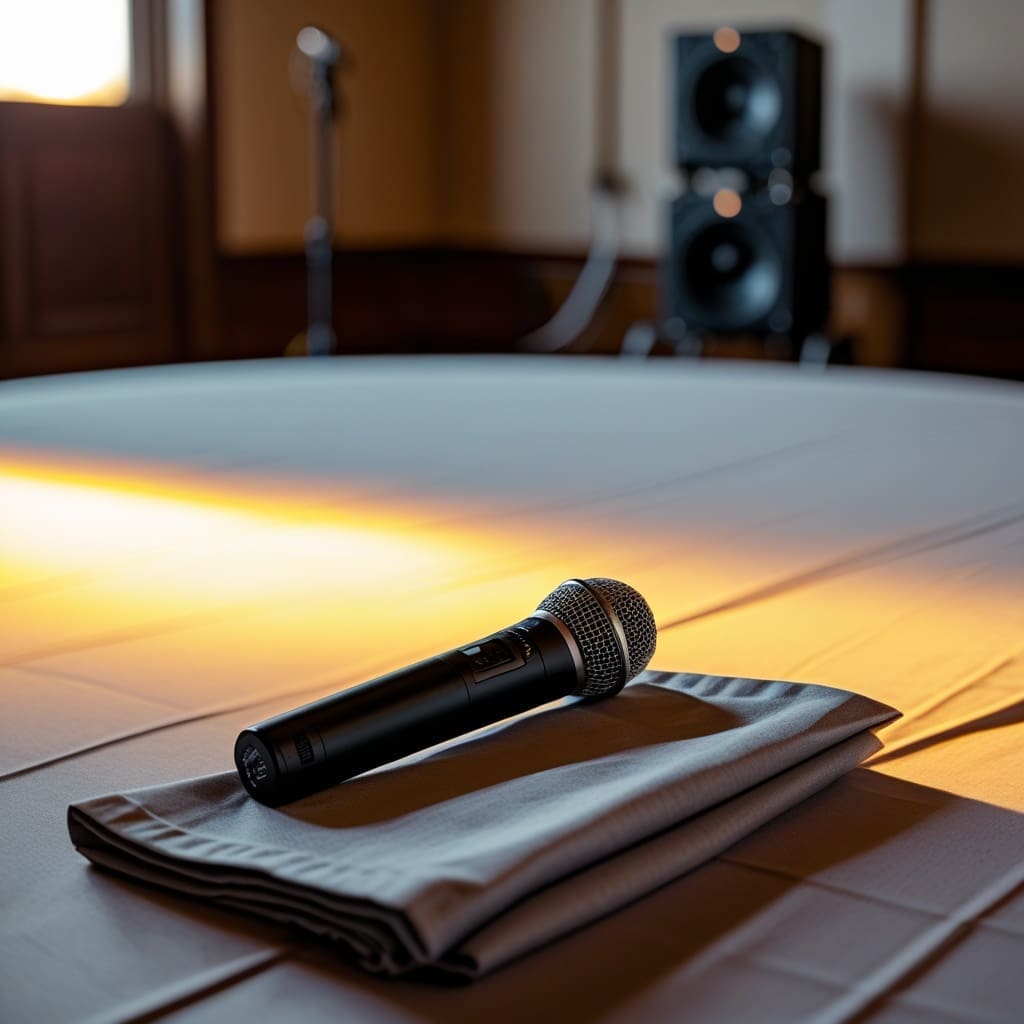
- At least two wireless microphones: One for the DJ or MC and one for toasts, so guests are not passing a single handheld mic across the room.
- A written contract specifying hours, equipment, and cancellation terms: This should include a start and end time, overtime rate (commonly $100 to $200 per additional hour), and a cancellation or rescheduling policy.
- General liability insurance of at least $1 million: Many venues now require proof of this before allowing any vendor to load in equipment.
- A backup plan for equipment failure: This might mean a second amplifier on-site or a documented policy for how the company handles technical failure mid-event.
- A pre-event planning consultation: Typically a 30- to 60-minute call four to eight weeks before the wedding to confirm the timeline, must-play songs, and do-not-play list.
What Is Usually an Add-On, Not an Inclusion
Many couples assume lighting, ceremony sound, and special effects come standard with any DJ booking. In practice, these are the most commonly misunderstood parts of a wedding DJ package, and confusing an add-on for a default inclusion is the single biggest source of budget surprises reported by wedding planners in the 2026 WeddingWire vendor survey.
- Ceremony sound (microphone and speaker for vows): Add-on cost of $150 to $350, since it requires separate equipment and setup time before the reception begins.
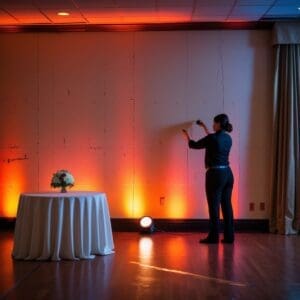
- Uplighting (wall wash lighting around the room): Add-on cost of $200 to $600 depending on the number of fixtures, typically priced per light at $15 to $35 each.
- Monogram or gobo projection: Add-on cost of $150 to $300 for a custom design projected onto the dance floor or a wall.
- Cold sparks or fog effects: Add-on cost of $250 to $600, and many venues require a separate fire-safety waiver or a licensed operator for cold spark machines.
- Photo booth add-ons bundled through the DJ company: Add-on cost of $400 to $800 for a three- to four-hour rental with an attendant.
- Extra hours beyond the contracted package: Typically billed at $100 to $250 per additional hour, often requiring 24 hours’ notice if requested on the wedding day itself.
Ask every vendor for an itemized quote rather than a single bundled number. A written breakdown lets you compare apples to apples across companies and avoid a low headline price that balloons once you add the ceremony sound and uplighting you actually need.
How Package Pricing Breaks Down by Region
Geography affects wedding DJ pricing more than almost any other factor besides package tier. The following ranges reflect typical 2026 pricing for a standard five-hour reception package across different market types.
- Major metro markets (New York, Los Angeles, San Francisco, Chicago): $1,800 to $3,000 for a standard package.
- Mid-size cities (Austin, Denver, Nashville, Charlotte): $1,200 to $2,200 for a standard package.
- Small cities and rural areas: $800 to $1,500 for a standard package.
- Destination wedding markets (resort venues, island locations): $2,000 to $4,000, often including travel fees of $300 to $800 on top of the base package.
Peak wedding season, running from May through October in most regions, also drives prices up by roughly 10 to 20 percent compared to winter bookings. Saturday dates command the highest rates, while Friday or Sunday weddings sometimes qualify for a discount of $100 to $300 off the standard package price.
Questions to Ask Before You Sign a Contract
A short conversation before booking can prevent a much longer and more expensive conversation after the wedding. Bring these questions to every vendor consultation.
- How many hours does the package cover, and does setup or breakdown count against that time? Reputable vendors do not count their own setup and teardown against your booked hours.
- What happens if the DJ becomes sick or unavailable? Ask whether the company has a network of backup DJs, since a solo operator with no backup plan is a real risk.
- Is liability insurance included, and can you provide a certificate of insurance for the venue? Most venues require this document at least two to four weeks before the event.
- What is the overtime rate if the reception runs long? Confirm the per-hour rate in writing so it is not negotiated on the spot at 11 p.m.
- How many planning meetings or calls are included? Standard packages usually include one, while premium tiers may include two or three.
- What backup equipment is on-site the day of the wedding? A second amplifier or mixer can prevent a total shutdown if a piece of equipment fails mid-reception.

Comparing Package Value, Not Just Price
The lowest quote is rarely the best value once you account for hours, equipment quality, and included services. A $900 package that covers only four hours and requires a $300 lighting add-on may cost more in the end than a $1,400 package that already includes six hours and basic uplighting. When comparing quotes, calculate the effective hourly rate and list every service you would need to add separately to reach parity between vendors.
A package that looks $400 cheaper on paper can end up costing more once ceremony sound, extra hours, and lighting are added back in piece by piece.
Read reviews on independent platforms rather than relying only on testimonials on the vendor’s own website. Look specifically for mentions of punctuality, sound quality during outdoor ceremonies, and how the DJ handled unexpected timeline changes, since these details rarely show up in a standard sales pitch but consistently show up in real client feedback.
Booking Timeline and Deposit Expectations
Most wedding DJ companies in high-demand markets get booked six to twelve months in advance, and popular Saturday dates in peak season (June through September) can sell out fourteen to eighteen months ahead. A deposit of 20 to 50 percent is standard to hold your date, with the remaining balance due 30 to 14 days before the event depending on the vendor’s policy. Cancellation policies vary widely: some companies offer a partial refund if canceled more than 90 days out, while others treat the deposit as fully non-refundable once signed.
Confirm the final headcount and timeline with your DJ no later than two weeks before the wedding, since most contracts specify this as the deadline for locking in the reception schedule, song list, and any last-minute changes to the guest count that might affect sound system sizing.
Call to Action
Before you sign with any vendor, request an itemized quote broken down by hour, equipment, and add-on so you can compare packages accurately across companies. Ask each DJ to spell out charges for setup and teardown time, travel fees for out of town venues, and overtime rates in case your reception runs long. Schedule a consultation call with at least three DJ companies, ask the six contract questions listed above, and confirm liability insurance in writing before you place a deposit on your wedding date. Get the payment schedule in writing too, including deposit amount, due dates, and the cancellation or rescheduling policy, so there are no surprises if your plans change.
Conclusion
Wedding DJ packages vary widely in what they include, but the fundamentals remain consistent: sound equipment, an MC, and a written contract with clear hours and terms. Knowing the standard price ranges, from roughly $800 for a basic reception package to $4,500 or more for a full luxury tier, gives you a realistic budget baseline before you start requesting quotes. Ask direct questions about add-ons, backup equipment, and overtime rates so the number on your contract matches what actually shows up on your wedding day.
Frequently Asked Questions
How much should you budget for a wedding DJ in 2026?
Plan for $1,200 to $2,500 for a standard five- to six-hour package in most U.S. markets. Couples in major metro areas should budget closer to $2,000 to $3,000, while those in smaller cities or rural regions may find comparable service for $800 to $1,500.
Does a wedding DJ package include the ceremony?
Usually not, unless you select a premium or luxury tier. Ceremony sound is typically a separate add-on priced between $150 and $350, since it requires additional setup time and equipment placed away from the main reception area.
What is the difference between a DJ and an MC at a wedding?
A DJ plays and mixes music, while an MC makes announcements and guides the reception timeline. Most professional wedding DJs perform both roles in a single package, but some couples specifically request a stronger MC presence for a more formal, structured reception.
How far in advance should you book a wedding DJ?
Book six to twelve months before your wedding date, especially for Saturday weddings in peak season. Highly rated companies in competitive markets can be fully booked fourteen to eighteen months out for dates between June and September.
Is uplighting worth adding to a wedding DJ package?
Uplighting adds noticeable visual impact for $200 to $600 and is worth it for reception venues with plain or dim walls. If your venue already has strong ambient lighting or architectural features, you may be able to skip this add-on without a noticeable difference in photos or atmosphere.