The average wedding DJ costs between $175 and $325 per hour, with most couples paying $1,200 to $2,000 total for a full reception package. In the Raleigh, NC area, most couples pay $225 to $275 per hour for a package covering sound equipment, basic lighting, and MC services. That hourly rate rarely shows up on an actual contract, since most local DJs sell flat packages covering four to six hours of coverage instead of billing strictly by the hour. According to The Knot's 2026 Real Weddings Study, couples in the Southeast spend an average of $1,400 on DJ services, which lines up closely with what Triangle-area vendors quote. Prices shift based on the season, the length of your reception, and add-ons like uplighting or a ceremony sound system, so a quote that looks high at first glance might already include extras another DJ would charge separately.
Key Takeaways
- Raleigh wedding DJs generally charge $175 to $325 per hour, with $225 to $275 being the most common rate for a licensed, insured professional with standard equipment like wireless mics, dual speakers, and basic dance floor lighting.
- Most vendors sell flat packages for four to six hours of reception coverage, typically priced between $900 and $1,900 in the Raleigh market, with higher-tier bundles including an MC, monogram lighting, or a second sound system for the ceremony.
- Peak wedding months in North Carolina (April, May, September, and October) and Saturday dates can raise prices by 15 to 25 percent compared to winter weekdays, since demand often books out popular DJs six to nine months ahead.
- Extra hours beyond a contracted package usually cost $100 to $175 each in the Raleigh area, and most contracts require this add-on to be paid before the event, not billed afterward.
- Ceremony sound, cocktail hour music, and uplighting are the most common add-ons and typically add $100 to $350 to a base package, with uplighting alone often running $150 to $250 depending on the number of fixtures needed.
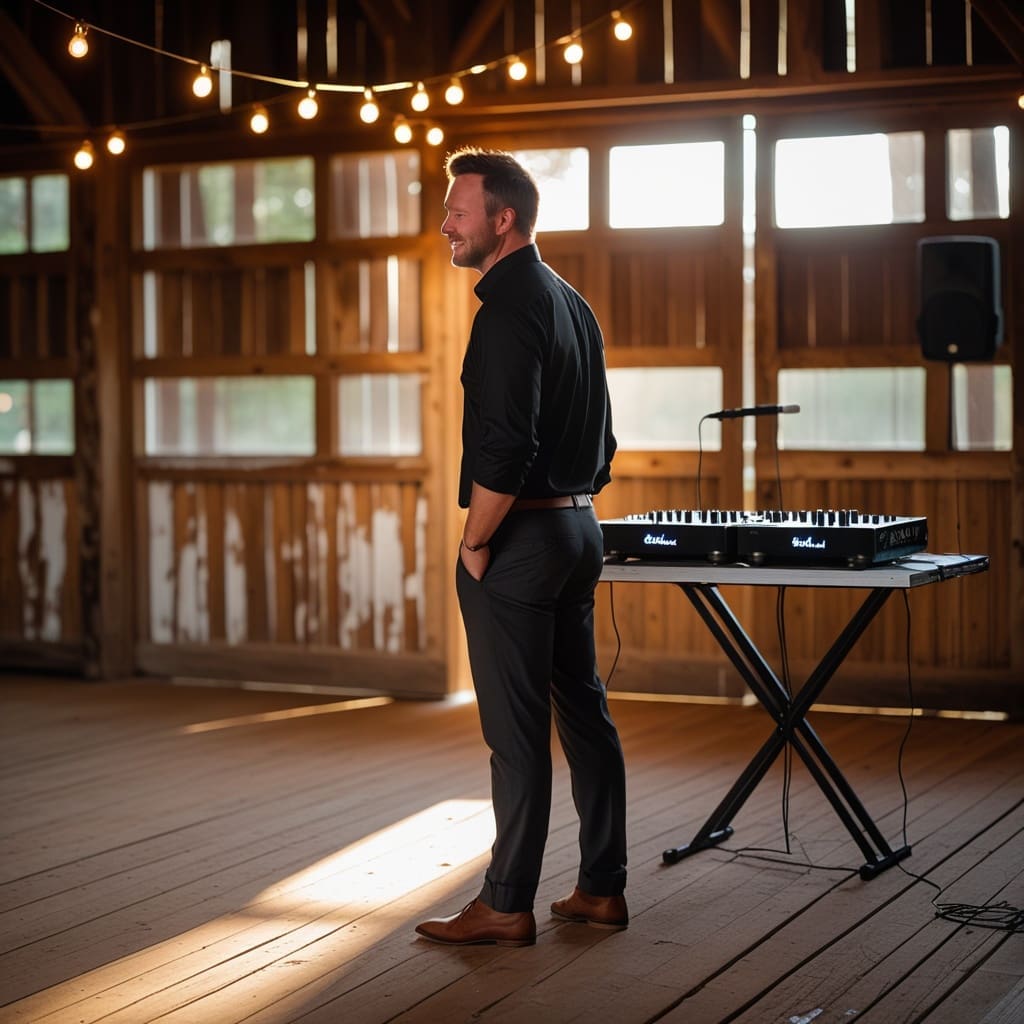
Average Wedding DJ Cost Per Hour in Raleigh
Pricing in the Triangle sits below what couples pay in major coastal markets but above what smaller North Carolina towns typically see. A DJ working a wedding in downtown Raleigh or Cary generally charges more than one booking a similar event in a rural county an hour away, largely because of demand and venue density. Below is a general breakdown of what couples in and around Raleigh report paying, based on typical vendor quotes gathered from local wedding planners and industry pricing reports.
- Basic solo DJ, standard sound system: $175 to $225 per hour, often bundled into packages starting around $900.
- Mid-tier DJ with MC services and lighting: $225 to $275 per hour, with packages averaging $1,200 to $1,600.
- Experienced DJ with premium equipment, uplighting, and dance floor lighting: $275 to $325 per hour, packages often $1,600 to $2,000.
- Multi-operator setups (second DJ or assistant, live MC, full lighting rig): can add $500 to $1,200 to any of the tiers above, regardless of the base hourly rate.
These numbers reflect base pricing for a solo DJ operating standard equipment for a reception of roughly 100 to 150 guests. If you want to compare exact figures against current listings, you can see the full breakdown of hourly rates and package options to line up your budget against real quotes before you start contacting vendors.
What Drives Wedding DJ Pricing Up or Down in the Triangle
Several concrete factors push the hourly rate higher or lower than the Raleigh averages listed above. None of these operate in isolation, and a DJ quoting near the top of the range usually has more than one of the following working in their favor.
Experience and Certification
A DJ with two to three years of wedding-specific experience and a modest review count generally charges $175 to $200 per hour in the Raleigh market. A veteran with ten or more years of experience, membership in the American Disc Jockey Association (ADJA), and a deep referral network from Triangle-area venues often charges $275 to $325 per hour. Experienced operators tend to handle unexpected timeline shifts, difficult sound conditions at outdoor venues, and last-minute song requests without disrupting the reception flow.
Season and Day of the Week
North Carolina wedding season runs heaviest from April through June and again from September through October, according to WeddingWire’s annual Cost of Marriage report. Saturday weddings during those months carry the highest prices, sometimes 15 to 25 percent above a Friday or Sunday event booked in January or February. Choosing a weekday date in the off-season can realistically save $150 to $400 on a total DJ package in the Raleigh area.
Equipment, Lighting, and Add-Ons
Standard packages typically include a sound system sized for the venue, two speakers, a wireless microphone, and basic uplighting. Upgraded packages that add monogram projection, a full dance floor lighting rig, or a cold spark effect can add $250 to $700 to the total invoice. Backup equipment, including a secondary mixer and spare microphone, is standard practice among DJs charging above $250 per hour, since equipment failure mid-reception is one of the most common complaints noted in venue reviews across the region.
Guest Count and Venue Layout
A reception for 75 guests inside a single indoor room requires far less equipment and setup labor than one for 250 guests spread across an outdoor tent, a separate ceremony lawn, and a cocktail patio. Larger, multi-space venues, which are common at Triangle-area farms and event barns, often require a second speaker zone or an assistant, which can raise the effective hourly cost by $50 to $125.
Ceremony Sound and Cocktail Hour Coverage
Many couples budget only for the reception and forget that ceremony sound and cocktail hour music are usually billed separately. A ceremony sound package, which covers a microphone system for officiants and vow readings, typically costs $125 to $250 extra in the Raleigh market. Cocktail hour coverage, which extends the DJ’s time on-site by one to two hours, usually adds $100 to $225 to the final bill.
Why Raleigh DJs Bill by Package Instead of Strict Hourly Rate
An hourly number is a useful shorthand, but it rarely captures the full scope of what a wedding DJ does over the course of a booking. A five-hour reception often involves seven to nine hours of total labor once travel, setup, sound checks, breakdown, and pre-wedding planning calls are added in. That gap between billed hours and total labor is exactly why flat packages dominate the wedding market instead of pure per-hour pricing.
Consider a $1,300 package covering five hours of reception coverage. On paper, that works out to $260 per hour. In practice, the DJ likely spent an additional two hours setting up before guests arrived, another hour breaking down afterward, and several hours in the weeks before the wedding building a timeline and reviewing a music list with the couple. This is one reason it makes sense to ask any vendor precisely what falls under their quoted price before comparing it against a competitor’s number. A $225-per-hour DJ with no lighting or MC duties included may end up costing more overall than a $275-per-hour DJ whose package covers everything from ceremony sound to breakdown. If you want a clearer sense of what a Raleigh wedding DJ’s services typically include for that price, reviewing a detailed service list before booking helps avoid surprise add-on charges later.
Sample Raleigh Wedding DJ Cost Breakdown
The figures below illustrate a mid-range package for a five-hour reception at a typical Triangle-area venue, reflecting current 2026 pricing patterns reported by local vendors.
- Base reception coverage (5 hours): $1,125, working out to $225 per hour.
- Ceremony sound system add-on: $150.
- Cocktail hour music (1 hour): $125.
- Basic uplighting package (10 fixtures): $200.
- Wireless microphone for toasts: included in base package.
- Estimated total: $1,600 for a full evening of coverage, or roughly $267 per hour once every service is factored in.
This example lands near the middle of the local range, which is consistent with what most Raleigh, Cary, and Durham couples report paying for a full-service booking. Couples marrying at a downtown Raleigh venue during peak season should expect figures closer to the higher end of this range, while a weekday event in a smaller nearby town may land closer to the lower end.
How to Choose the Right DJ for Your Budget
Selecting a wedding DJ is not purely a matter of picking the lowest hourly number on a spreadsheet. A vendor charging $200 per hour with no backup equipment, no liability insurance, and limited MC experience carries real risk on the one day you cannot afford a mistake. Instead, weigh the following before signing a contract:
- Confirm what is included. Ask whether ceremony sound, cocktail hour, uplighting, and MC duties are bundled into the quoted price or billed separately.
- Check insurance and backup equipment. Most reputable Triangle-area venues require vendors to carry liability insurance, typically $1 million in coverage, and many require proof of a backup sound system.
- Read recent reviews from local venues. A DJ who has worked at your specific venue before will already know its sound limitations and setup logistics.
- Ask about overtime rates upfront. Extra hours beyond a contracted package typically cost $100 to $175 each in Raleigh, and knowing that figure in advance prevents an awkward conversation at the end of the night.
- Get everything in writing. A written contract should list start and end times, setup arrival time, and exactly which add-ons are included in the total.
The lowest quote and the best value are rarely the same thing once you account for backup equipment, insurance, and MC experience.
Once you have a realistic budget range in mind, the next practical step is confirming that your preferred date is still open. You can check availability once you know your budget range so you are not comparing quotes for a date that is already unavailable.
Frequently Asked Questions
How much does a wedding DJ cost per hour on average?
Most wedding DJs charge between $150 and $450 per hour nationally, with $225 to $275 per hour being typical in the Raleigh area. Rates climb toward the higher end for major metro markets, peak season Saturdays, and vendors with ten or more years of experience.
Is it cheaper to book a DJ by the hour or as a package?
Packages are almost always the more practical choice, since they bundle setup, breakdown, and planning time that a raw hourly rate does not cover. Most Raleigh-area couples end up paying between $900 and $1,900 for a four-to-six-hour package rather than negotiating a strict per-hour arrangement.
How much should I budget for a wedding DJ in Raleigh, NC?
Plan for $1,200 to $1,800 for a full evening of coverage, including reception, ceremony sound, and basic lighting. Couples booking during peak season months such as May, September, or October should budget toward the higher end of that range.
What is included in a typical wedding DJ package?
A standard package usually includes a sound system, wireless microphone, basic uplighting, and MC services for announcements and introductions. Ceremony sound and cocktail hour music are frequently billed as separate add-ons costing $100 to $250 each.
Do wedding DJs charge extra for overtime?
Yes, most DJs charge $100 to $175 per extra hour beyond the contracted package length. Confirming this rate in the written contract before the wedding day avoids a disputed charge when the reception runs long.
Conclusion
Wedding DJ pricing in Raleigh follows a fairly predictable pattern once you understand how packages, add-ons, and seasonal demand interact. Expect to pay $225 to $275 per hour for a solidly experienced professional, with the total package landing somewhere between $1,200 and $1,800 for a standard reception. That range typically covers five to six hours of coverage, basic sound equipment, and a DJ who also handles announcements and MC duties. Peak wedding months in the Triangle area, April through June and September through November, tend to push prices toward the higher end because demand for good DJs spikes at the same time venues book up.
Booking early, confirming exactly what is included, and asking about overtime rates upfront will protect your budget far more than chasing the lowest number on a quote sheet. A DJ quoting $900 for a wedding might sound like a bargain until you find out lighting, a wireless mic for toasts, or a backup sound system cost extra. Compare quotes line by line instead of just looking at the bottom number. Ask each vendor the same set of questions: What time does the clock start and stop? Is setup and breakdown included in that window? What happens if the reception runs long, and how much does each extra hour cost?
Also factor in add-ons you might actually want, since these shift the total more than most couples expect. Uplighting can add $150 to $400 depending on the number of fixtures. A photo booth rental often runs another $400 to $800 if you bundle it with your DJ company. Ceremony sound for an outdoor venue might add $100 to $200 on its own.
With a realistic range in mind, you are in a strong position to compare vendors and lock in the right DJ for your date. Get at least three quotes, read reviews that mention specific weddings rather than generic praise, and ask to see a sample timeline from a past event. A DJ who can walk you through how they handled a similar reception is usually a safer bet than one who just quotes a low price and little else.