The average cost of a wedding DJ in the United States ranges from $900 to $2,000, with most couples paying around $1,300 for four to five hours of service. Prices climb higher in major metro areas such as New York, Los Angeles, and Chicago, where experienced DJs often charge $2,000 to $3,500 for a full wedding package. Budget-friendly DJs in smaller markets sometimes charge as little as $500, though that rate usually means fewer hours, basic equipment, and no MC services.
Your final bill depends on where you live, how many hours you book, and what extras you add to the contract. A DJ working a rural venue on a Tuesday afternoon charges far less than one booking a Saturday night gala in a downtown hotel ballroom. Understanding what drives these numbers helps you budget correctly and avoid surprise fees later.
Key Takeaways
- The national average cost of a wedding DJ falls between $900 and $2,000, with a typical mid-range booking around $1,300.
- Big cities such as New York and Los Angeles often push prices to $2,500 or more, while smaller towns average closer to $800 to $1,200.
- Most DJs charge by the hour after a base package, with hourly add-on rates ranging from $100 to $250.
- Lighting, MC services, ceremony sound, and photo booths are the most common add-ons, each typically adding $150 to $600.
- Booking your DJ 9 to 12 months before the wedding date usually secures better pricing and availability, especially for Saturdays between May and October.
What Determines the Average Cost of a Wedding DJ
Several concrete factors shape what you pay, and none of them are mysterious once you break them down. Location tops the list: a DJ in Manhattan or San Francisco commands rates 40 to 60 percent higher than one in a mid-sized Midwest city, simply because of local demand and cost of living. Experience matters too. A DJ with five or fewer weddings under their belt might charge $700 for a Saturday evening, while a veteran with 200-plus weddings and strong reviews can charge $2,500 or more for the same time slot.
Guest count also affects pricing, though not always in obvious ways. A reception for 300 guests requires larger speakers, additional monitors, and sometimes a second DJ or assistant, which adds $200 to $500 to the base rate. Day of the week and season play a role as well. Saturdays in June, September, and October (peak wedding months) often cost 15 to 25 percent more than a Friday in January.
Regional Price Breakdown
Pricing shifts noticeably depending on where your venue sits. Below is a general breakdown based on typical four-to-five-hour wedding packages across different regions:
- Rural or small-town markets: $500 to $1,000
- Mid-sized cities (Nashville, Denver, Columbus): $900 to $1,600
- Major metro areas (Chicago, Atlanta, Dallas): $1,300 to $2,200
- Top-tier markets (New York City, Los Angeles, San Francisco, Boston): $2,000 to $3,500
These figures reflect a single DJ handling music, basic announcements, and standard sound equipment. Anything beyond that baseline, such as elaborate lighting or a second performer, adds to the total.
What Is Typically Included in a Wedding DJ’s Price
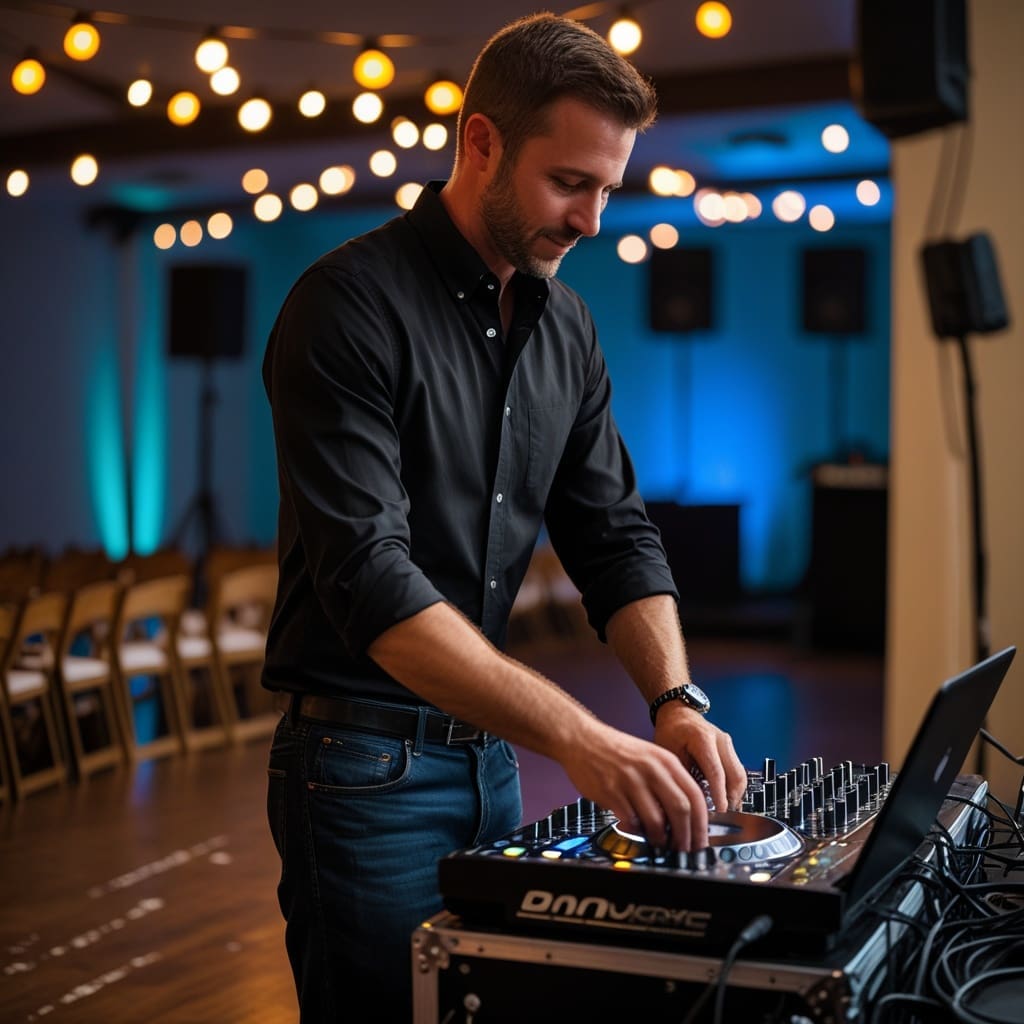
A standard wedding DJ package usually covers four to five hours of reception music, professional-grade speakers, wireless microphones for toasts, and basic dance floor lighting. Many contracts also include a consultation call or planning meeting one to two months before the event to finalize your song list, timeline, and special requests. This baseline package is what most of the pricing above reflects.
Where things get murky is in what falls outside that baseline. Ceremony music, cocktail hour playlists, and extended hours are often billed separately unless you specifically request a bundled package. Reading your contract line by line before signing prevents confusion later, since some DJs quote a low base rate then tack on $150 to $300 for services many couples assume are automatically included.
Common Add-On Services and Their Costs
Add-ons account for a large share of the gap between a $900 quote and a $2,000 invoice. Here is what couples typically pay for extras beyond the base reception package:
- Ceremony sound system: $150 to $400
- Cocktail hour music: $100 to $300
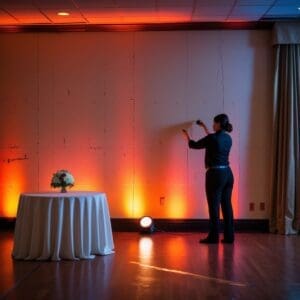
- Uplighting (per venue, 10 to 20 fixtures): $200 to $600
- Monogram or gobo projection: $150 to $350
- Photo booth rental: $400 to $900
- MC services for the full reception timeline: often bundled, but $100 to $250 if billed separately
- Extra hour beyond the base package: $100 to $250 per hour
Bundling multiple add-ons frequently saves money compared to booking them piecemeal. Many DJ companies offer a mid-tier and premium tier package specifically so couples can add lighting and ceremony sound at a discounted combined rate rather than paying full price for each service separately.
Wedding DJ Packages Compared
Most companies structure their pricing into three tiers, and knowing what separates them helps you avoid overpaying for features you do not need or underpaying and missing something important.
- Basic package ($500 to $1,000): Four hours of reception coverage, one DJ, standard speakers, wireless microphone, no lighting, no ceremony sound.
- Standard package ($1,000 to $1,800): Five hours of coverage, ceremony and cocktail hour music included, basic dance floor uplighting, MC services, one planning consultation.
- Premium package ($1,800 to $3,500): Six or more hours, full venue uplighting, monogram projection, photo booth or backup DJ, unlimited planning consultations, and sometimes a live musician add-on such as a saxophonist.
Couples booking a premium package in a top-tier market like Los Angeles or New York sometimes pay $4,000 or more when the venue requires union labor or additional load-in time. It is worth asking upfront whether your venue has any restrictions that could raise the base quote.

When to Book Your Wedding DJ
Booking your DJ nine to twelve months before your wedding date gives you the best chance at securing a preferred vendor and often locks in a lower rate before seasonal price increases kick in. Popular DJs in major cities frequently book out Saturdays a full year in advance, especially for dates in June, September, and October. Waiting until three or four months out usually limits your choices to whoever still has that date open, which can mean paying a rush fee or settling for a less experienced provider.
Many companies require a deposit of 20 to 50 percent at signing, with the remaining balance due 30 days before the event. Some DJs also raise their rates annually, so locking in a contract early can protect you from a price increase between the time you start planning and your actual wedding date. If your date falls on a holiday weekend, such as Memorial Day or Labor Day, expect to pay an additional 10 to 20 percent premium on top of standard seasonal rates.
Wedding DJ vs. Live Band: A Cost Comparison
A wedding DJ costs significantly less than a live band in almost every market. While the average wedding DJ runs $900 to $2,000, a four-to-six-piece live band typically charges $3,000 to $8,000 for the same reception window, and larger 10-piece bands can exceed $15,000. This gap exists mainly because bands require paying multiple performers, transporting more equipment, and often booking additional setup time.
DJs also offer more song variety since they are not limited to a rehearsed setlist, and they can transition seamlessly between genres for different parts of your reception, from big band standards during dinner to current pop hits on the dance floor. That said, some couples value the energy a live band brings and are willing to pay the premium for it. If budget is a primary concern, a DJ remains the more economical choice without a significant sacrifice in production quality.
How to Get the Best Value from Your Wedding DJ Budget
Getting a fair price starts with requesting itemized quotes from at least three DJs so you can compare what is actually included, not just the bottom-line number. Ask each company for references from weddings booked within the last 12 months, and check whether they carry liability insurance, since many venues now require a minimum of $1 million in coverage before allowing a vendor to perform.
- Get three itemized quotes ($0 cost, one afternoon of effort): Compare hourly rates, included services, and overtime fees side by side.
- Confirm liability insurance ($1 million minimum, per most venue contracts): Avoid last-minute vendor rejections from your venue coordinator.
- Negotiate a bundled add-on rate (potential savings of $100 to $300): Ask about combining lighting and ceremony sound for a discounted flat fee.
- Lock in your date with a deposit (typically 20 to 50 percent): Secure pricing before any annual rate increase takes effect.
- Schedule a planning call 30 to 60 days out (included in most standard packages): Finalize your must-play and do-not-play lists to avoid day-of confusion.
Following these steps typically saves couples $200 to $500 compared to booking the first quote they receive without comparison shopping.
Call to Action
If you are ready to start comparing wedding DJs for your date, request itemized quotes from at least three local providers and ask each one directly about hourly rates, add-on pricing, and insurance coverage before you sign anything. Doing this legwork early, ideally 9 to 12 months before your wedding, gives you the leverage to negotiate a fair rate and secure the vendor who best fits your reception vision.
Start every conversation with the same set of questions so you can compare quotes side by side. Ask what’s included in the base package (hours of play, setup and breakdown time, one consultation meeting), then ask what costs extra. Common add-ons include a ceremony microphone setup, uplighting, a monogram projection, an MC for announcements, and overtime past the contracted end time. A DJ quoting $1,200 for four hours but charging $150 an hour for anything beyond that could end up costing more than a DJ who quotes $1,600 with unlimited overtime built in.
Get everything in writing. A solid contract should spell out the date, venue, start and end times, payment schedule, cancellation policy, and a backup plan if the DJ gets sick or has an emergency. Ask who the backup DJ would be and whether they charge the same rate. Some larger DJ companies have a bench of backup talent, while solo operators may not, which matters if you’re booking far in advance.
Check reviews on multiple platforms, not just the one the DJ links you to. Look at Google, The Knot, and WeddingWire, and pay attention to how the DJ responds to any negative reviews. A professional who addresses complaints calmly and takes responsibility is usually a safer bet than one who argues with former clients online.
Finally, ask for a sample timeline from a past wedding similar in size and style to yours. This shows you how the DJ paces a reception, handles transitions between dinner and dancing, and reads a crowd. A DJ who can walk you through real examples, not just generic promises, is more likely to deliver the reception you’re picturing.
Conclusion
The average cost of a wedding DJ sits between $900 and $2,000 for most couples, though your final number depends heavily on location, season, and which add-ons you choose. A Saturday wedding in June in a major city will almost always cost more than a Tuesday ceremony in the off-season in a small town. Comparing itemized quotes, booking early, and understanding what a base package actually includes puts you in a strong position to negotiate a fair rate without sacrificing quality. Ask each DJ what’s covered in their starting price, whether that’s four hours of music, MC duties, basic lighting, or a wireless mic for toasts, so you’re comparing apples to apples instead of guessing at hidden fees later. A well-chosen DJ shapes the entire mood of your reception, so treating this decision as more than a line item on your budget spreadsheet pays off on the dance floor.
Frequently Asked Questions
How much should I budget for a wedding DJ?
Budget between $900 and $2,000 for a standard four-to-five-hour wedding DJ package. Couples in major metro areas should plan closer to $2,000 to $3,500, while those in smaller towns can often secure quality service for $700 to $1,200.
Do wedding DJs also provide lighting?
Yes, most wedding DJs offer lighting as an add-on service, typically costing $200 to $600 for a full venue setup. This usually includes dance floor uplighting and sometimes a monogram projection displaying the couple’s initials on the wall or dance floor.
What equipment do wedding DJs provide?
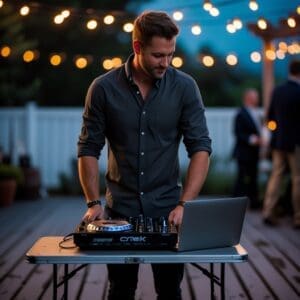
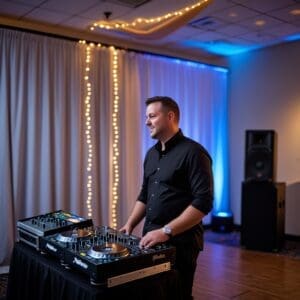
Standard equipment includes professional speakers, a mixing board or controller, wireless microphones, and basic dance floor lighting. Premium packages often add subwoofers for larger venues, backup equipment in case of technical failure, and additional monitors so the DJ can hear the mix clearly over crowd noise.
Is it cheaper to hire a DJ through a company or an independent freelancer?
Independent freelance DJs typically charge 10 to 20 percent less than DJs booked through a large entertainment company. However, companies often provide backup DJs and equipment guarantees in case of an emergency, which independent freelancers may not always offer.
How many hours does a typical wedding DJ package include?
Most base packages include four to five hours of reception coverage, with additional hours billed at $100 to $250 each. Couples wanting ceremony music or cocktail hour coverage should confirm whether those hours are included in the base package or billed as separate add-ons.