
Planning a wedding is a big deal, and one of the most important parts is figuring out the music. You’ve got two main paths: a wedding DJ or a live band. Both can make your day awesome, but they do it in different ways. This article is all about breaking down the wedding DJ vs band choice so you can pick what’s best for your big day. We’ll look at what each brings to the table, how much they cost, and what you need to think about.
Key Takeaways
- A DJ offers a huge music library and can play almost any song you want, making them super flexible for different tastes. They’re also usually easier on the wallet. Think of them as the masters of keeping the party going with non-stop tunes.
- A live band brings a different kind of energy. There’s something special about watching musicians play, and they can really set a specific mood, whether it’s romantic jazz or a high-energy rock show. It’s like having your own personal concert.
- When it comes to space, bands need more room for their instruments and setup than a DJ does. So, check your venue to make sure there’s enough space for a band if that’s what you’re leaning towards.
- Budget is a big factor. Generally, DJs cost less than bands because there are fewer people involved. If you’re trying to save money, a DJ might be the way to go, but don’t forget to factor in other costs for either option.
- Think about the vibe you want. Do you want a club-like atmosphere with a mix of everything, or a more classic feel with a live performance? Your wedding style and the atmosphere you’re aiming for should guide your decision between a wedding DJ vs band.
Understanding The Core Differences: Wedding DJ vs Band
The Vibe You Want To Create
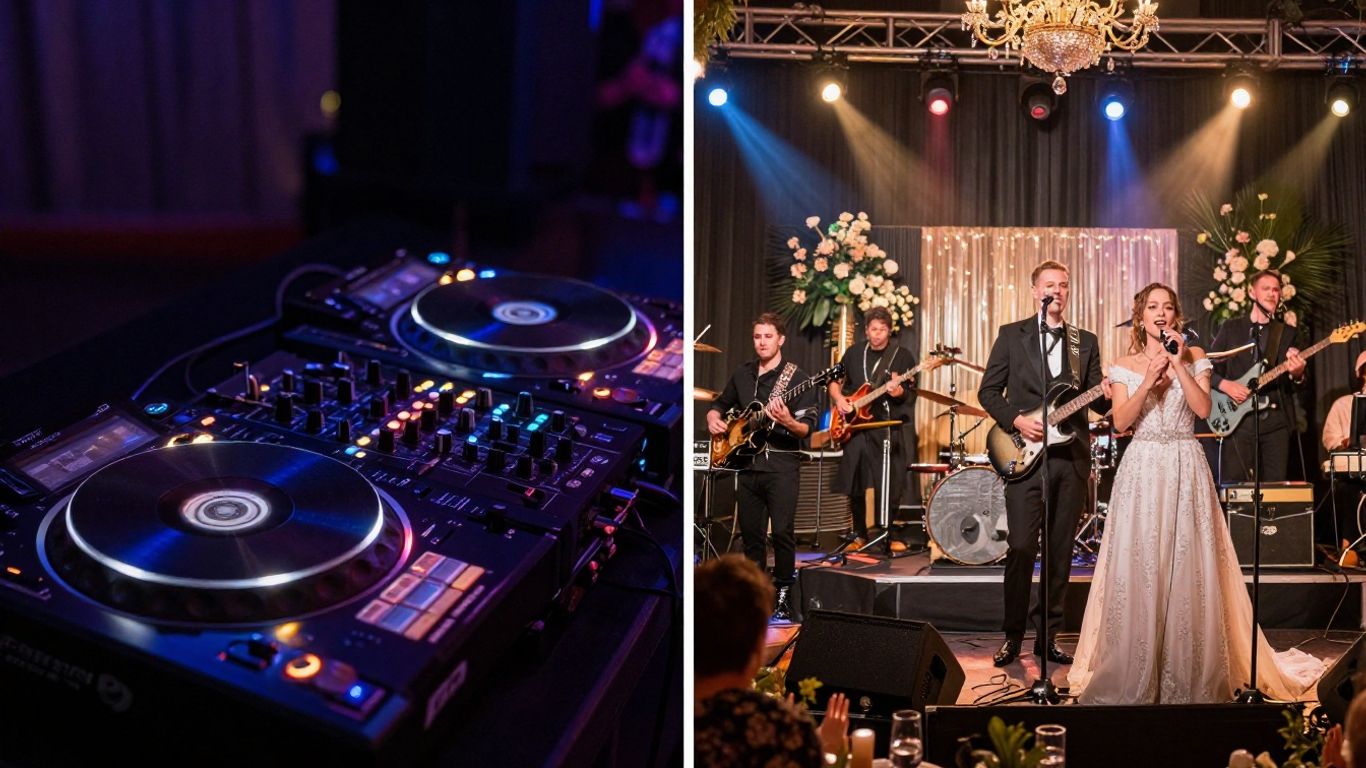
When you picture your wedding reception, what kind of feeling are you going for? This is probably the biggest question to ask yourself when deciding between a DJ and a band. Bands often bring a certain kind of energy, a live performance feel that can make a wedding feel more formal or like a special concert. Think about a classic wedding with a jazz trio during cocktail hour, or a rock band getting everyone on their feet later. It’s a very specific kind of atmosphere. DJs, on the other hand, are masters at creating a party vibe. They can spin everything from the latest hits to throwback jams, keeping the energy up and the dance floor full. If you’re dreaming of a modern, high-energy celebration where the music never stops, a DJ might be your best bet.
Energy and Atmosphere
Let’s talk about the energy. A live band brings a tangible presence. You see the musicians, you feel their performance, and there’s an undeniable excitement that comes with watching people play music right in front of you. They can read the room and adjust their performance on the fly, sometimes even taking requests or giving shout-outs. This live interaction can really make your guests feel connected to the moment. A DJ, while not performing live music, brings a different kind of energy. They are skilled at reading the crowd through their song choices and transitions. A great DJ can keep the momentum going for hours, creating a continuous flow of music that keeps people dancing without missing a beat. It’s less about a stage show and more about curating the perfect soundtrack for your party.
Musical Versatility
When it comes to the sheer amount of music available, a DJ usually has the edge. They have access to vast digital libraries, meaning they can play virtually any song you can think of, from any genre or era. This makes them incredibly adaptable. If you have a very specific playlist in mind, or if your guests have wildly different musical tastes, a DJ can usually accommodate it all. Bands, while talented, typically have a set repertoire. They might learn a few special songs for you, but playing hundreds of different tracks across multiple genres might be beyond their scope or require a larger, more expensive ensemble. However, a band’s strength lies in their interpretation and performance of the music they play, bringing their own unique sound and style to your wedding.
The choice often boils down to whether you want a curated playlist that spans your entire music history or a live interpretation of music that brings a unique, dynamic feel to your celebration.
The Financial Factor: Budgeting For Your Entertainment
When you’re planning a wedding, the costs can add up faster than you think. Entertainment is a big piece of that puzzle, and deciding between a DJ and a band really comes down to what you can afford and what you want to get for your money. It’s not just about the sticker price, though; there are other things to think about too.
DJ Costs Compared to Band Expenses
Generally speaking, hiring a DJ is usually less expensive than hiring a live band. Think about it: a DJ is often a one-person operation. They have their equipment, their music library, and their skills. A band, on the other hand, involves multiple musicians, each with their own equipment, plus potentially a sound technician and a manager. All those people and gear add up.
Here’s a rough idea of what you might expect:
| Entertainment Type | Typical Starting Cost | Higher End Cost |
|---|---|---|
| Wedding DJ | $800 – $1,500 | $3,000+ |
| Live Band (4-5 piece) | $3,000 – $5,000 | $10,000+ |
| Live Band (larger ensemble) | $5,000+ | $15,000+ |
These numbers can change a lot depending on where you are, how experienced the performers are, and how long you need them. It’s always a good idea to get a few quotes from different DJs and bands in your area to get a real feel for the pricing.
Hidden Costs to Consider
Beyond the base fee, there are other expenses that can pop up. For DJs, sometimes there are extra charges for things like lighting packages, extra hours, or travel if they’re coming from out of town. For bands, you might need to factor in costs for their meals (they’re working, after all!), and sometimes they require specific staging or extra power hookups that your venue might charge for.
Don’t forget about potential costs for:
- Ceremony Music: Do you want a DJ or a musician for your ceremony too?
- Cocktail Hour: Will your DJ or band play during this time, or do you need separate entertainment?
- Travel Fees: If your chosen entertainer is coming from a distance.
- Overtime: If you want the music to keep going past the agreed-upon time.
- Vendor Meals: Most professionals expect to be fed.
It’s smart to ask potential entertainers about all these possibilities upfront so there are no surprises on your wedding day.
Maximizing Your Entertainment Budget
Even if your budget is tight, you can still have fantastic entertainment. If a band is your dream but out of reach, maybe you can hire a smaller band or a DJ for the main reception and have a solo musician for the ceremony or cocktail hour.
Here are a few ways to make your budget work harder:
- Be Flexible with Dates: Sometimes, booking a DJ or band on a weekday or during the off-season can save you money.
- Consider a Shorter Performance Time: Do you really need music for 6 hours straight? Maybe 4 hours of high-energy dancing is enough.
- Look for Packages: Some DJs or bands offer packages that include MC services, lighting, or even photo booth rentals, which might be more cost-effective than booking separately.
Ultimately, the goal is to find entertainment that fits your budget and brings the vibe you want to your celebration. Don’t be afraid to negotiate or ask about different options. The right choice will make your guests happy and create lasting memories.
Logistics and Space: Venue Considerations
Picking between a DJ and a live band isn’t just about taste or budget—you also need to think about what makes sense for your venue. Not every spot works for every act, and the last thing you want is to realize your entertainment just doesn’t fit (literally). Let’s get into what you should plan for when it comes to space, noise, and how your party will actually play out in your chosen location.
Space Requirements for Bands
Live bands can bring a huge presence to your party, but they also need space—often, a lot of it. Besides the musicians themselves, there’s equipment, speakers, sometimes a drum kit, and instrument cases. It’s not unusual for even a small band to need up to 10’ by 12’ of room, and bigger groups might double that. And don’t forget, many bands will ask for a stage or riser to help guests see and hear them clearly. Stages take up even more square footage, so make sure your dance floor doesn’t end up shrinking. Some essentials:
- Most bands want a sturdy, level area to set up (check with your venue about the flooring).
- Easy access to electrical outlets is a must—musicians need power for amps and lighting.
- Ask in advance if there’s separate space needed for a band’s breaks—sometimes they’ll request a private spot or green room.
Here’s a quick look at typical band needs:
| Band Size | Space Required (Min) | Additional Needs |
|---|---|---|
| 4–5 members | 10’ x 12’ | Stage, 2+ outlets |
| 6–8 members | 12’ x 16’ | Larger stage, lighting |
| 9+ members | 20’ x 20’ | Staging, multiple outlets |
DJ Setup Needs
A DJ, compared to a full band, is usually far more flexible when it comes to setup. They don’t need much more than a solid table, a couple of speakers, and their gear. Some venues even have a built-in DJ booth or a designated corner that works perfectly. It’s also easier to relocate a DJ if you need to adjust for ceremony or cocktail hour music.
- DJs only require a single access point for electricity.
- They can set up almost anywhere with a few square feet.
- Don’t forget some DJs have their own light and effects rigs—ask how much space this needs so you don’t trip over wires.
| DJ Package Type | Space Needed | Common Extras |
|---|---|---|
| Basic DJ Setup | 6’ x 6’ | Small table, speakers |
| Premium Light Show | 8’ x 10’ | Lighting, trusses |
Venue Restrictions and Acoustics
Every wedding venue has its quirks. Some will let you crank the music up; others will enforce strict noise curfews, especially if you’re in a residential area. Certain spots (think old barns or modern lofts) can also be tricky for sound—too much echo, or music just vanishing in a big room. Always:
- Check if your venue has a sound limiter or cutoff time for amplified music.
- Ask about where entertainment is allowed to set up (indoor/outdoor, corners vs. center of room).
- Don’t forget: Some venues actually have rules about what kind of entertainment is allowed (only DJs, only acoustic acts, etc.).
- If your site comes with an in-house system, ask if it’s suitable for live bands—it often isn’t.
Make sure you walk your venue before you sign any entertainment contracts. What seemed like a perfect match in your head can feel totally different once you’re standing there, measuring tape in hand.
So, before falling in love with a ten-piece swing band or a turntable-wielding DJ, double-check what your space can really accommodate. Sometimes, the answer comes down to pure logistics, not just what your heart wants for that first dance.
The Power of a Live Band: Unique Advantages
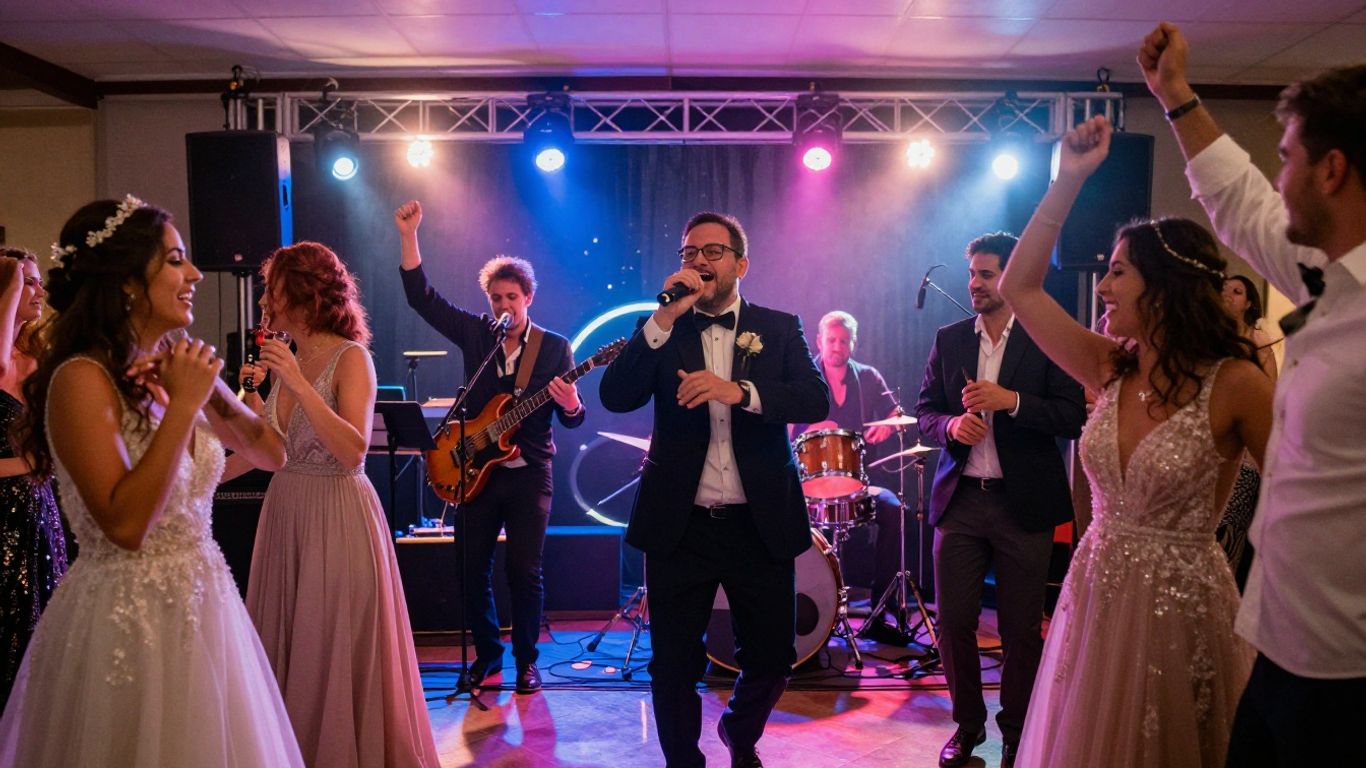
When you picture your wedding reception, do you see a high-energy dance floor with people singing along? A live band can bring an unmatched level of excitement and a truly special vibe to your celebration. They’re not just playing music; they’re putting on a performance that can make your day unforgettable.
Unmatched Energy and Stage Presence
A live band brings a dynamic energy that’s hard to replicate. Watching talented musicians perform together, feeling the rhythm, and seeing their passion up close creates a captivating experience for everyone. It’s more than just background sound; it’s a focal point that draws people in.
- Visual Appeal: The sight of a band playing together adds a visual element to your reception.
- Audience Engagement: Bands often interact with the crowd, encouraging dancing and singing along.
- Authentic Feel: The raw talent and live sound create a genuine and heartfelt atmosphere.
Setting a Distinctive Tone
Bands are fantastic at establishing a specific mood. Whether you’re dreaming of a sophisticated jazz ensemble for a cocktail hour, a lively rock band to get the party started, or a soulful Motown group to fill the dance floor, their performance will give your wedding a unique character. You can really tailor the musical style to match your wedding’s theme and your personal taste.
Choosing a band means you’re investing in a specific sound and style that can define the entire feel of your reception. It’s about creating a cohesive atmosphere that reflects who you are as a couple.
The Unique Sound of Live Performance
Every band has its own way of playing songs. They bring their own arrangements and interpretations, which means the music you hear will be distinct to them. This personal touch can make your wedding feel incredibly special and memorable. It’s a sound that’s truly live and in the moment, different from anything you’d hear from a playlist or a DJ. For a truly polished setup, remember that even bands need the right DJ setup needs to complement their performance.
The Skill of a Wedding DJ: What They Bring To Your Day
When you’re thinking about the music for your wedding, a DJ might seem like just someone playing songs. But a good wedding DJ is so much more than that. They’re like the conductor of your party, making sure everything flows smoothly and everyone has a great time. They handle the music, yes, but they also help keep the whole event on track.
Vast Music Libraries and Seamless Transitions
A DJ has access to a huge collection of music. This means they can play pretty much anything you and your guests might want to hear, from the latest hits to old favorites. They’re skilled at mixing these songs together so there are no awkward silences. The music just keeps going, keeping the energy up on the dance floor. It’s like having a continuous soundtrack for your celebration.
A skilled DJ can read the room and adjust the music on the fly, ensuring the vibe stays just right throughout the night. They know how to blend different genres and eras, keeping everyone from your grandparents to your youngest cousins happy and dancing.
Interactive Entertainment and Emcee Duties
Beyond just playing tunes, many DJs also act as your Master of Ceremonies (MC). This is a big part of what they do. They’ll make important announcements, like when dinner is ready or when it’s time for the first dance. They can also get the crowd involved with fun activities or games, making your reception more engaging. A good DJ keeps the party moving and ensures the schedule stays on time, which is a huge help for any couple on their wedding day. This role is vital for guiding the entire event’s flow.
Accommodating Diverse Musical Tastes
One of the best things about a DJ is their ability to cater to everyone. They can switch between different music styles easily. So, if you have guests who love country, others who prefer hip-hop, and some who want classic rock, a DJ can play something for everyone. They can take requests too, making your guests feel included and ensuring that all their favorite songs get played. This flexibility means more people will be on the dance floor, enjoying the music.
Making Your Final Decision: Key Questions To Ask
What Is Your Wedding Style?
Think about the overall feel you want for your wedding day. Are you leaning towards a sophisticated, modern vibe, or is your heart set on something more classic and intimate? A DJ can often create a high-energy, club-like atmosphere with a huge variety of music. On the other hand, a live band can bring a unique, organic sound that really sets a certain tone, perhaps more suited for a formal or vintage-themed celebration. Consider what kind of musical backdrop will best complement your chosen theme and decor.
What Is Your Budget?
Let’s talk money. Generally speaking, wedding DJs tend to be more budget-friendly than live bands. This is often because a band involves multiple musicians, more equipment, and potentially more travel. It’s smart to set a clear entertainment budget early on. Remember to also think about any extras, like music for your ceremony or cocktail hour, and whether your chosen vendor will need a meal provided. Knowing your budget upfront helps narrow down your options considerably.
| Entertainment Type | Average Cost Range (USD) |
|---|---|
| Wedding DJ | $1,000 – $3,000 |
| Live Band | $3,000 – $10,000+ |
Note: These are general estimates and can vary widely based on experience, location, and duration.
What Is The Desired Atmosphere?
What kind of energy do you want on the dance floor? Do you picture guests dancing all night to a mix of everything, or are you hoping for a more relaxed, background music vibe during dinner? A DJ excels at keeping the party going with continuous music and quick transitions between songs and genres. A band, with their live performance, can create a palpable energy and a focal point for your guests. Think about whether you want a dynamic dance party or a more mellow, sophisticated ambiance.
Here are some questions to help you decide:
- How important is audience interaction? DJs often act as emcees, engaging the crowd, while bands focus more on their performance.
- Do you have specific song requests? Both can accommodate requests, but a DJ’s vast library might make it easier to cover niche genres or older hits.
- What’s your venue like? Consider the space needed for a band versus a DJ setup, and check for any venue restrictions on sound levels or performance times. You’ll want to avoid common wedding DJ mistakes that can impact your day.
Ultimately, the choice between a DJ and a band comes down to what feels right for you. It’s about creating the perfect soundtrack for your unique celebration and ensuring your guests have an amazing time. Don’t be afraid to ask potential vendors about their experience and how they handle specific requests or potential issues.
So, What’s the Verdict?
Alright, we’ve gone through the whole rundown on DJs versus bands for your wedding. It really boils down to what kind of party you’re picturing. If you want a super varied playlist that keeps going non-stop and maybe a bit of a club vibe, a DJ could be your go-to. They’re often easier on the wallet too, which is always nice when planning a wedding. On the flip side, a live band brings this amazing energy and a unique sound that can make your reception feel like a personal concert. They’re fantastic for setting a specific mood, but they usually cost more and need more space. Think about your budget, the size of your venue, and most importantly, what kind of atmosphere will make you and your guests feel the most joy. Maybe you even want a bit of both! Whatever you decide, the main thing is that the music fits you and helps make your big day absolutely unforgettable.
Frequently Asked Questions
What’s the main difference between a DJ and a band for a wedding?
Think of it this way: a DJ is like a super-smart jukebox with a personality, able to play almost any song you can imagine. A band is a group of musicians who play music live, bringing their own energy and style to your party. DJs usually cost less and can play a wider variety of music, while bands offer a unique live performance vibe.
How much do wedding DJs and bands usually cost?
Costs can change a lot! DJs might cost a few hundred to a few thousand dollars. Bands usually start a bit higher, maybe a couple thousand, and can go up to $15,000 or more for really popular ones. It depends on how experienced they are, how many people are in the band, and how long they play.
How much space does a band need compared to a DJ?
Bands generally need more room. A small band might need about 10 feet deep and 12 feet wide, but bigger bands with lots of instruments and equipment could need a space 20 feet wide! A DJ usually needs much less space, just enough for their turntables and speakers.
Can a DJ or band play specific songs I want?
Most DJs and bands are happy to play your special song requests, especially if you tell them ahead of time. It’s always a good idea to ask them if they know your songs and if they can play them. DJs often have a bigger music library, so they might be able to play more unique requests.
How do I make sure my guests stay entertained?
Talk to your DJ or band about what you and your guests like to listen to. You can give them a list of songs to play and songs to avoid. Knowing the general age and music taste of your guests can also help them pick the best music to get everyone dancing and having fun.
What if my venue has rules about music?
It’s smart to check with your venue about any noise limits, closing times for music, or rules about loud sounds. This way, you won’t have any surprises on your big day and can make sure your DJ or band can play without any problems.