Planning a wedding means thinking about all the little things that make the day special, and the music is a big part of that. If you’re a DJ getting ready for a wedding gig, or a couple picking your DJ, knowing the right gear is key. It’s not just about having songs; it’s about making sure everything sounds good and runs smoothly from the first dance to the last call. Let’s break down the basic wedding DJ setup requirements you’ll need for a celebration that goes off without a hitch.
Key Takeaways
- A solid wedding DJ setup starts with a versatile controller and a reliable laptop to manage all your music and mixes.
- Professional powered speakers and a subwoofer are a must for clear, full sound that fills the room.
- Always have reliable microphones, including a wireless option and a wired backup, for speeches and announcements.
- Consider lighting like uplighting and dance floor effects to create the right mood and energy.
- Technical backups and contingency plans are vital to avoid any disruptions during the event.
The Core Of Your Wedding DJ Setup Requirements
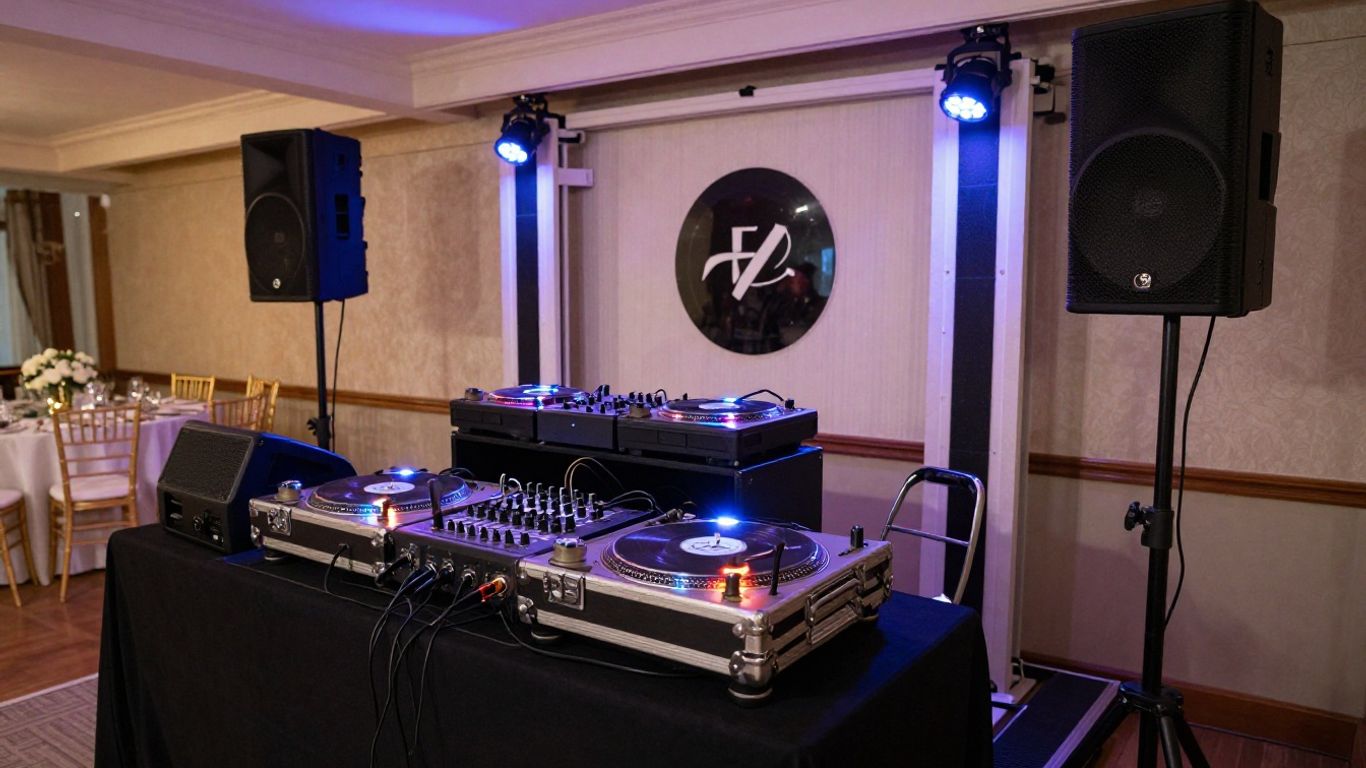
Getting the right gear is the first step to making sure your wedding reception sounds amazing and runs smoothly. It’s not just about playing songs; it’s about creating an atmosphere and managing the flow of the entire event. A professional DJ setup is built on a few key pieces of equipment that work together.
A Versatile DJ Controller
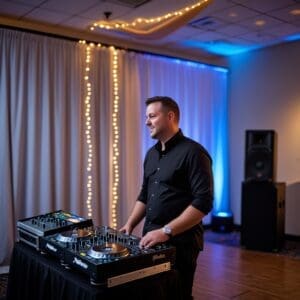
Think of your DJ controller as the command center for all the music. While a basic two-channel controller can get the job done, a four-channel model gives you a lot more room to work. This means you can have music playing for guests, cue up the next song, have a special request ready, and even have a backup track loaded, all at the same time. This flexibility is super important for keeping the energy up and transitions smooth throughout the night. Brands like Pioneer DJ and Rane make solid options that many pros rely on.
A Reliable Laptop
Your laptop is where the magic happens, running all your DJ software. It needs to be powerful enough to handle your music library and mixing software without freezing or crashing. Aim for at least 16GB of RAM and plenty of storage, preferably a Solid State Drive (SSD), to keep your music files local. Relying on streaming can be risky if the internet connection is spotty, so having everything stored directly on your laptop is a big plus. This ensures your music selection is always accessible.
Professional Powered Speakers
Sound quality is everything. You need speakers that can fill the room with clear, rich sound, whether it’s for background music during dinner or for getting the party started on the dance floor. Powered speakers have the amplifier built-in, making setup simpler and reducing the amount of gear you need to haul. For a wedding, you’ll typically want a pair of full-range speakers that can handle both vocals and music effectively. The size and power output should match the venue’s capacity.
Don’t Forget The Subwoofer
While your main speakers handle the mids and highs, a subwoofer adds that deep, punchy bass that really makes the music feel alive. It takes the low-frequency load off your main speakers, allowing them to perform better and preventing distortion. A good subwoofer makes a huge difference, especially for dance music, and ensures that important announcements and speeches come through with clarity without being muddy. It’s a key component for a full sound experience.
Ensuring Crystal-Clear Communication
Good sound is important, but clear communication really keeps a wedding running smoothly. From introductions and announcements to those heartfelt toasts, everyone needs to hear what’s happening, no matter where they’re seated in the venue.
A Rock-Solid Wireless Handheld
A wireless microphone allows the DJ and guests to move freely without getting tangled up in cords. This kind of mic is almost always used for speeches, the officiant, and important announcements. Picking a high-quality wireless system is more than just a convenience—it ensures there won’t be frustrating dropouts or interference at just the wrong moment.
- Look for a system with a strong signal and long battery life.
- Test for sound clarity and minimal background noise.
- Make sure it can handle multiple mics if others (like the officiant or singers) need one.
A Wired Backup Mic
Sometimes technology fails (seriously, it happens at the worst times). That’s why a backup wired microphone is non-negotiable. If wireless fails—maybe interference, dying batteries, or signal issues—you still have a way for everyone to hear crucial moments like vows or special announcements.
- Place the wired mic within easy reach of the DJ booth.
- Do a sound check with both mics before guests arrive.
- Keep an extra cable handy, just in case.
| Mic Type | When to Use | Pros | Cons |
|---|---|---|---|
| Wireless | Main announcements | Flexible, professional | Battery/signal issues |
| Wired | Backup/emergencies | Reliable, sturdy | Limited mobility |
Even a quick equipment rundown before the party begins can save you from awkward silences or technical hiccups during your event.
When you focus on having both a dependable wireless and a trusty wired mic ready to go, you’re stacking the deck in favor of an evening where every word is heard loud and clear.
Creating The Perfect Atmosphere With Lighting
Uplighting For Ambiance
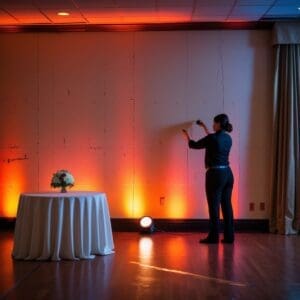
Think about how a room feels when it’s just plain. Now imagine washing those same walls in a soft, warm glow, or maybe a vibrant color that matches your wedding theme. That’s the magic of uplighting. These lights are placed on the floor and point upwards, casting a beautiful wash of color that completely changes the mood of a space. They’re fantastic for setting a romantic tone during dinner or cocktail hour. Many modern uplights are wireless and battery-powered, making them super easy to place anywhere in the venue without worrying about cords.
Dance Floor Effect Lighting
Once dinner is done and it’s time to party, the lighting needs to shift. You want something that gets people excited to hit the dance floor. Effect lighting does just that. Think about lights that move, change colors, and create dynamic patterns. Simple, all-in-one lighting bars are great for this. They often combine several effects like colorful beams, strobes, and even lasers onto a single stand. This creates a lively, energetic vibe that makes the dance floor the center of attention. It’s all about making sure the energy stays high long after the last dance.
The right lighting isn’t just about making things look pretty; it’s about guiding the emotional journey of your wedding day. From the soft glow of early evening to the vibrant energy of the dance floor, lighting plays a key role in how your guests experience each moment.
The Importance Of Technical Redundancy
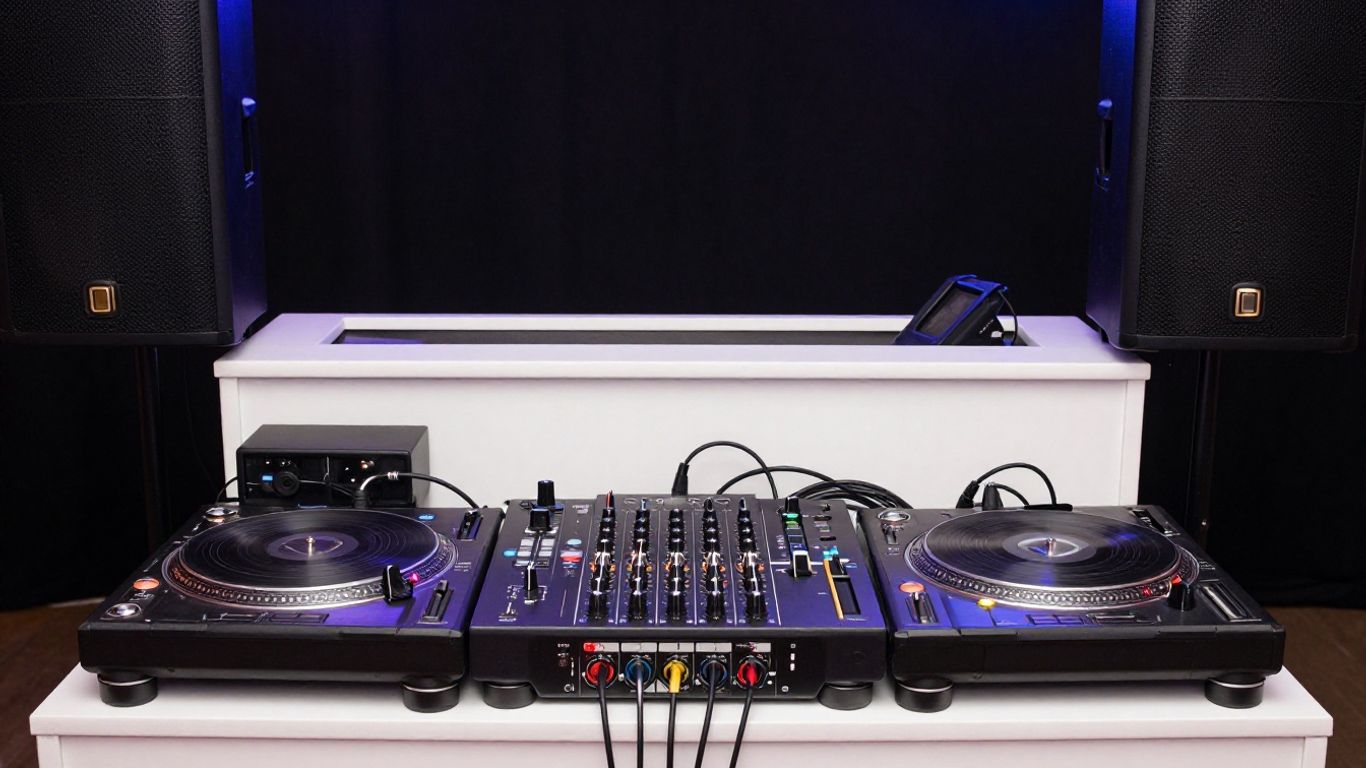
When planning your wedding, you want everything to go off without a hitch. That’s where technical redundancy comes in. It’s all about having backup plans and equipment ready to go, just in case something unexpected happens. Think of it as a safety net for your celebration’s sound and lighting.
Backup Systems For Uninterrupted Service
No one wants the music to stop or the lights to go out during a special moment. A professional DJ comes prepared with backup gear. This means having a spare laptop, extra cables, and even a backup sound system. If a piece of equipment fails, they can switch to the backup quickly, often without the guests even noticing. This keeps the party going and the atmosphere just right.
- Spare Laptop: A second computer ready to take over if the primary one has an issue.
- Backup Mixer/Controller: A secondary device for controlling the music.
- Extra Cables and Adapters: These small but vital items can easily fail, so having spares is smart.
- Secondary Speakers: In case the main speakers have a problem.
Having a well-prepared DJ means you don’t have to worry about technical glitches. They’ve already thought about what could go wrong and have solutions in place. This peace of mind is priceless for your big day.
Contingency Plans For Unexpected Challenges
Beyond just equipment, a good DJ also has plans for other potential issues. This could involve having a backup plan for power outages or even a plan if the DJ themselves is unexpectedly unable to perform. They might have a network of other DJs they can call on in a true emergency. It’s about being prepared for anything that might disrupt the flow of your wedding reception. A solid wedding DJ considers all these possibilities to make sure your celebration is smooth from start to finish.
Understanding Venue And Audience Needs
Before you even think about the music, you’ve got to consider where you’re having the party and who’s coming. It’s not a one-size-fits-all situation, you know? A DJ’s setup needs to work with the space and keep everyone happy.
Assessing Sound System and Power Sources
Every venue is different. Some have built-in sound systems, others are blank canvases. Your DJ needs to know what they’re working with. They’ll need to check out the room’s acoustics – how sound bounces around – and figure out where to put the speakers so everyone can hear clearly, whether they’re near the dance floor or chatting by the bar. Power is another big one. Does the venue have enough outlets? Are they on the right circuits? Your DJ will need to make sure there’s enough juice for all their gear without tripping breakers. Sometimes, they might need to bring their own power solutions, especially for outdoor events.
Tailoring Music to Guest Demographics
Think about who’s going to be there. You’ve got your college friends, your parents’ friends, maybe some older relatives. They all have different tastes. A good DJ can read the room and play a mix that appeals to everyone. It’s about finding that sweet spot where the grandparents can tap their feet and your friends can hit the dance floor. Discussing this with your DJ beforehand is key. They can help you build a playlist that has something for everybody, avoiding those awkward silences when nobody knows the song.
Coordinating Special Moments and Traditions
Weddings are full of important moments: the grand entrance, the first dance, parent dances, cake cutting, and the send-off. Your DJ is the conductor of these moments. They need to know the timing and the specific songs you want for each. It’s not just about playing music; it’s about creating the right mood and making sure these transitions are smooth. Giving your DJ a clear rundown of the schedule and any traditions you’re incorporating helps them prepare and execute these moments perfectly. They’ll be ready to fade out one song and cue up the next without missing a beat.
It’s really about making sure the DJ knows the lay of the land and who they’re playing for. That way, the music just fits, and everyone has a better time. It takes a bit of planning, but it makes a huge difference.
Mastering Your Wedding DJ Setup
Meticulous Equipment Setup and Sound Checking
Getting your DJ gear set up right is a big deal for a wedding. It’s not just about plugging things in; it’s about making sure everything sounds good and works perfectly for hours on end. A good DJ spends time before the event even starts to get this sorted.
This means setting up the controller, laptop, speakers, and any lights in a way that makes sense for the room. Then comes the sound check. This isn’t just turning the volume up. It’s about listening to how the music fills the space, checking for any weird echoes or dead spots, and making sure the bass isn’t too much or too little. You want the music to be clear and enjoyable, whether people are chatting or dancing.
Verifying Cables, Connectors, and Backup Equipment
Think of cables and connectors as the veins and arteries of your sound system. If one of them is loose or damaged, the whole thing can fall apart. Before any wedding, a DJ needs to go through every single cable – power cords, audio cables, USB cables – and give them a good look. Are they frayed? Are the connectors bent? A quick tug on each one can tell you if it’s solid.
It’s also super important to have backups. What if a speaker suddenly stops working? Or the laptop decides to take a nap? A pro DJ will have a spare of critical items. This could be a second laptop, a backup mixer, or even extra microphones. Having these ready means that if something goes wrong, the music doesn’t stop for long, if at all.
Here’s a quick checklist for your gear verification:
- Cables: Check for visible damage, test connections.
- Power: Ensure enough outlets and surge protectors.
- Software: Confirm DJ software is updated and licensed.
- Backups: Have spares for essential components like mics and cables.
Fine-Tuning Audio Levels For Speeches and Announcements
Weddings have moments where the music needs to take a backseat. Think about the toasts, the welcome speech, or any announcements the couple wants to make. The DJ’s job is to make sure these are heard clearly by everyone, without being drowned out by background music or being too loud.
During the sound check, the DJ will specifically test the microphones. They’ll adjust the levels so that when someone speaks, their voice comes through crisp and clear. It’s about finding that sweet spot where the volume is just right – loud enough to be heard across the room, but not so loud that it’s uncomfortable. This careful adjustment makes sure all those important words land perfectly with the guests.
The difference between a good wedding DJ and a great one often comes down to the details. It’s in the quiet moments before the event, checking every wire, testing every speaker, and practicing those transitions. This behind-the-scenes work is what makes the party flow without a hitch.
Personalizing Your Wedding DJ Setup
Crafting the Perfect Playlist For Your Celebration
Your wedding playlist is more than just a collection of songs; it’s the soundtrack to your love story. A great DJ works with you to build a music selection that truly represents who you are as a couple. This means going beyond just listing your favorite artists. It’s about understanding the vibe you want for each part of your day, from the ceremony’s quiet moments to the wild dance party later on.
Think about the songs that are meaningful to your relationship. Maybe it’s the song you first danced to, or a track that reminds you of a special trip. These personal touches make the music feel unique to your celebration. A good DJ will help you weave these special songs into the night, making sure they fit naturally with the overall flow.
Incorporating Guest Requests And Crowd Engagement
While your playlist is key, a wedding DJ also needs to be aware of the room. They’re not just playing songs; they’re reading the energy of your guests. A skilled DJ knows when to play that surprise hit that gets everyone on the dance floor or when to switch to something a little more mellow.
It’s also smart to have a system for guest requests. Some couples like to give their DJ a ‘do not play’ list, which is totally fine. Others want guests to be able to request songs. A professional DJ can manage this, perhaps by having a way for guests to submit requests digitally or through a designated point person. This keeps the music flowing without constant interruptions.
Here’s a quick look at how requests can be handled:
- Digital Request System: Guests use a QR code or website to submit song ideas.
- DJ’s Discretion: The DJ plays requests that fit the vibe and the couple’s preferences.
- Pre-Approved List: Guests can choose from a list of songs the couple has already approved.
Guiding The Flow Of The Evening With Expert Timing
A wedding DJ is also the master of ceremonies, guiding your guests through the different parts of the reception. This includes making announcements, introducing the wedding party, and cueing up special moments like the first dance or the cake cutting.
Timing is everything here. The DJ needs to work closely with your wedding planner or venue coordinator to make sure everything happens smoothly and on schedule. They act as the glue that holds the evening together, ensuring that transitions between events are natural and don’t leave guests wondering what’s next.
The best wedding DJs are those who can blend technical skill with a genuine understanding of people. They create an atmosphere where everyone feels comfortable, celebrated, and ready to dance the night away. It’s about making your wedding day feel exactly like you imagined, with a soundtrack that’s perfectly yours.
Wrapping It All Up
So, there you have it. Getting the right gear together for a wedding gig might seem like a lot, but honestly, it’s what separates a good DJ from a great one. Having reliable speakers, a solid controller, and those all-important microphones means you can focus on what really matters: making sure the couple and their guests have an absolutely amazing time. It’s all about being prepared, sounding good, and keeping that dance floor packed from the first song to the last. Think of this setup as your toolkit for creating unforgettable memories – because that’s what a wedding is all about, right?
Frequently Asked Questions
What are the most important pieces of equipment for a wedding DJ?
The main gear includes a DJ controller and a laptop for mixing music. You’ll also need good speakers and a subwoofer for clear, powerful sound, and microphones for speeches. Don’t forget lighting to create the right mood!
Why is a 4-channel DJ controller better than a 2-channel one for weddings?
A 4-channel controller gives you more options. You can have music playing, the next song ready, a special request lined up, and even a backup track, all at the same time. This makes for smoother transitions and keeps the party going without interruption.
How important are backup microphones?
Very important! You need a reliable wireless mic for toasts and announcements. But always have a backup wired mic ready in case the wireless one has issues, like battery problems or interference. It ensures everyone can be heard.
What’s the role of lighting in a wedding DJ setup?
Lighting is key to setting the mood. Uplighting can add a touch of elegance by coloring the walls, while dance floor lights create a fun, energetic vibe for when people are dancing. It helps transform the space.
Why should a DJ have backup equipment?
Weddings are big events, and things can go wrong. Having backup systems for essential gear like controllers, laptops, or even speakers means the music and announcements won’t stop if something breaks. It guarantees a smooth celebration.
How does a DJ tailor the music to the wedding guests?
A good DJ talks to the couple beforehand to understand their music tastes and the general vibe they want. They also pay attention to the crowd during the event, playing songs that get people dancing and adjusting the music to match the energy in the room.