So, you’re planning your wedding, and the big questions start popping up. One that often gets overlooked until the last minute is how long should a wedding DJ play? It sounds simple, but figuring out the right amount of time for your DJ can really impact the vibe of your whole day. Too short, and the party might end before it really gets going. Too long, and you might be paying for music nobody’s listening to. Let’s break down how long you really need your DJ to keep the tunes going.
Key Takeaways
- A standard wedding DJ package usually covers about six hours, which includes the ceremony, cocktail hour, dinner, and dancing. This is often the baseline for how long should a wedding dj play.
- Factors like your guest count, venue size, and whether you have different locations for different parts of the wedding can influence how long your DJ needs to be there.
- Your DJ acts as the ‘clock’ for your wedding, managing the flow and transitions between events, so adequate time is needed to keep things running smoothly.
- If you have a longer reception, a non-traditional format, or just want the party to go later, you’ll likely need to book your DJ for more than the standard six hours, which will affect the cost.
- The DJ’s role goes beyond just playing music; they manage announcements, read the crowd, and use professional equipment to create the right atmosphere, making their time investment important.
Understanding Standard Wedding DJ Coverage
When you start looking into wedding DJs, you’ll notice that most packages are built around a standard amount of time. It’s like buying a suit – there’s a ready-to-wear option that fits most people, and then you can add custom tailoring if you need something specific. For DJs, this standard coverage usually covers the main events of your wedding day.
What Does a Typical Wedding DJ Package Include?
Most wedding DJ packages are designed to cover the core parts of your celebration. Think of it as the DJ being there from when your guests start arriving for the ceremony until the last dance. This typically includes providing music and sound for:
- Ceremony: If your ceremony is at the same location as your reception, the DJ will often handle music and any microphone needs for the officiant and speakers.
- Cocktail Hour: This is that relaxed time after the ceremony where guests mingle. The DJ provides background music to set a nice vibe.
- Dinner/Reception: This is where the main party happens. The DJ plays music during dinner, makes announcements, and then kicks off the dancing.
Beyond just playing tunes, a standard package usually means the DJ is responsible for setting up their equipment, managing the sound levels, and making sure everything runs smoothly from a technical standpoint.
The Standard Six-Hour Wedding Day
The most common timeframe you’ll see for a wedding DJ is six hours. This is generally considered the sweet spot for covering the essential parts of a wedding reception. It’s enough time to get through dinner, toasts, cake cutting, and have a solid block for dancing.
This six-hour window usually starts when your guests begin to arrive for the cocktail hour or ceremony, and it wraps up after the main dancing portion of the night concludes. It’s a good baseline, but remember, every wedding is different, and sometimes six hours just isn’t quite enough.
Beyond the Music: The DJ’s Role in Your Timeline
Your DJ is more than just a music player; they’re often the unofficial timekeeper for your wedding day. They’re responsible for keeping things moving according to your schedule. This means making announcements for:
- When guests should move from the ceremony to cocktail hour.
- When dinner will be served.
- When key events like the first dance or cake cutting will happen.
- When it’s time for the last dance.
They work closely with your venue coordinator or planner to make sure everyone is in the right place at the right time. A good DJ can help prevent awkward lulls or rushed moments, making your day feel more relaxed and enjoyable for everyone, including you and your new spouse.
Factors Influencing Your DJ’s Playtime
So, you’ve got the date, the venue, and a rough idea of the vibe you’re going for. Now, let’s talk about how long your DJ actually needs to be there. It’s not just about playing tunes; it’s about making sure the whole day flows just right. Several things can tweak how much time your DJ is on the clock.
Guest Count and Venue Size
Think about it: a small gathering of 50 people needs a different sound setup than a bash for 300. More guests usually mean you’ll need more speakers and potentially a more robust sound system to fill the space and keep everyone involved. This can sometimes mean a bit of an upcharge, especially if the venue is large or spread out. It’s all about making sure the music sounds great, whether someone’s near the dance floor or chatting by the bar.
Ceremony, Cocktail Hour, and Reception Needs
Your DJ isn’t just for the dance party. They often handle music and microphones for your ceremony, provide background tunes during cocktail hour, and then kick things into high gear for the reception. If these events are happening in different spots within the same venue, your DJ will need to move their equipment. But if your ceremony is at a church and your reception is miles away at a banquet hall, that’s two separate setups and more travel time, which can affect the overall cost and hours needed.
Separate Locations for Wedding Events
When your ceremony, cocktail hour, and reception are all under one roof, it simplifies things for your DJ. They can set up once and manage the transitions. However, if you’re planning a ceremony at one place (like a church or a scenic outdoor spot) and then moving to a completely different venue for the reception, your DJ will need to account for the extra travel and setup time. This often means a higher cost because it takes more resources and time away from their availability for other events.
The DJ’s role extends beyond just playing music; they are often the unseen hand guiding the flow of your wedding day, making sure each segment transitions smoothly and on time. This requires careful planning and coordination, especially when different parts of your celebration are in different locations.
Here’s a quick look at how different event locations can impact your DJ’s time:
- Single Location: Ceremony, cocktail hour, and reception all at one venue. This is usually the most straightforward and cost-effective.
- Two Locations: For example, a ceremony at a church followed by a reception at a hall. This requires travel and setup at the second location.
- Multiple Distinct Locations: If your ceremony, cocktail hour, and reception are all in separate, distant places, this will require the most time and resources from your DJ, impacting the overall quote. This is why having a clear wedding DJ timeline is so important for everyone involved.
Maximizing Your Wedding Day Flow
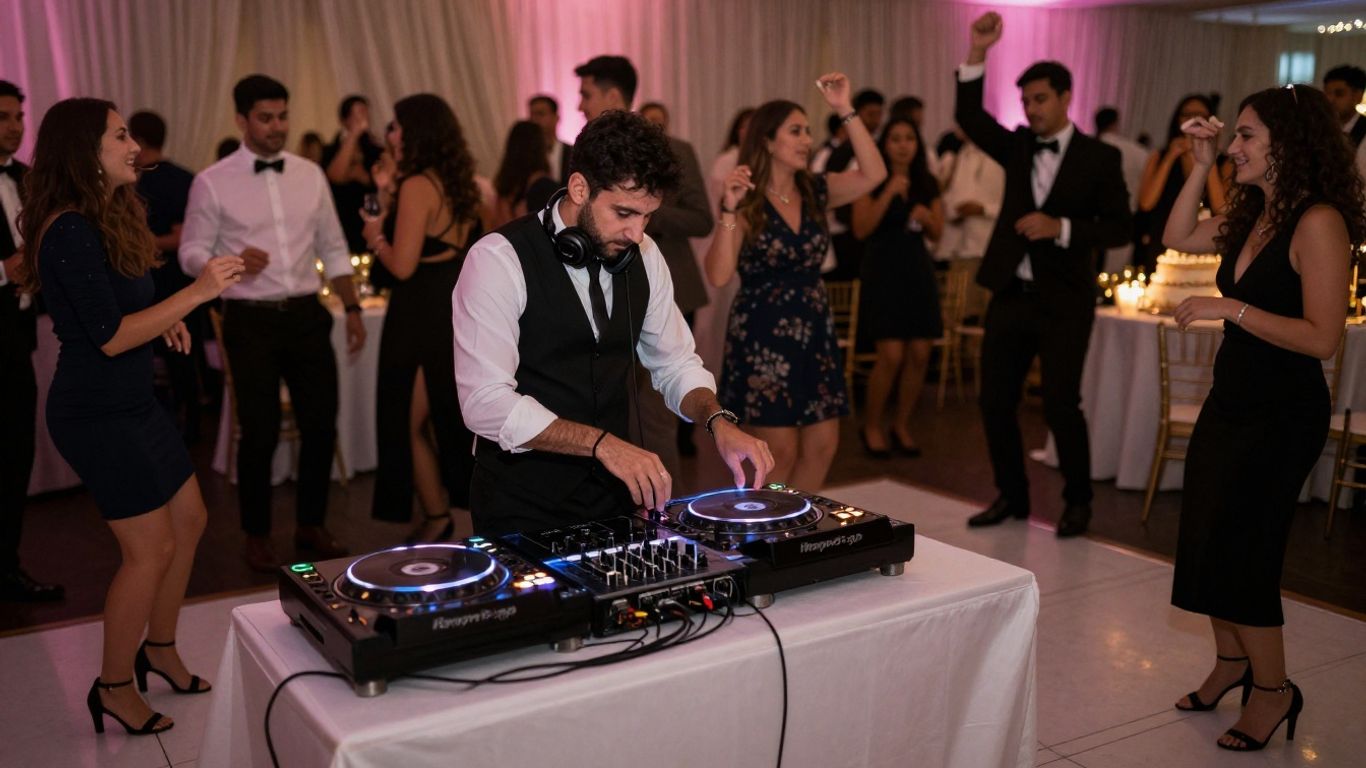
Think of your wedding DJ as more than just someone playing tunes; they’re a key player in keeping your entire day running like a well-oiled machine. A good DJ doesn’t just wait for the dance party to start. They’re actively involved in guiding the energy and transitions from one part of your celebration to the next. This means they’re not just on the clock for when people are dancing, but for the whole experience.
The DJ as Your Wedding Day Clock
Your DJ is often the one cueing up the music for your ceremony processional, playing background tunes during cocktail hour, and announcing the start of dinner. They’re also the ones who will signal when it’s time for the cake cutting or the bouquet toss. This constant, subtle guidance helps everyone know what’s happening next without you having to worry about it. It’s like having a conductor for your wedding orchestra, making sure each movement flows into the next.
Ensuring Smooth Transitions Between Events
Imagine this: your ceremony ends, and there’s a moment of awkward silence before the cocktail hour music kicks in. Or, dinner wraps up, and guests are left wondering what’s next. A professional DJ prevents these lulls. They’ll have the right music ready to go for each segment, whether it’s a mellow jazz set for drinks or an upbeat track to get people moving after dinner. They also coordinate with your venue staff and other vendors, like your photographer, to make sure everyone is on the same page for things like the grand entrance or the first dance. This coordination is vital for a smooth wedding day.
Avoiding Time Crunches for Dancing and Mingling
Sometimes, weddings can feel rushed, especially when it comes to the fun stuff like dancing. If your DJ’s time is cut short, it can mean less time for guests to hit the dance floor or simply relax and chat. A well-planned timeline, with your DJ’s input, helps allocate enough time for everything. This includes buffer time for unexpected delays. You want to make sure there’s ample opportunity for guests to enjoy themselves, mingle, and really let loose on the dance floor without feeling like the night is ending too soon.
A wedding day is a series of moments, big and small. The DJ’s role is to connect these moments with the right atmosphere and timing, making the entire event feel cohesive and enjoyable for everyone involved. It’s about creating an experience, not just playing songs.
When More DJ Time Might Be Necessary
Extending the Celebration Beyond Six Hours
Most standard wedding DJ packages cover about six hours of service. This usually includes the ceremony, cocktail hour, dinner, and the main dancing portion of the reception. But what if your wedding day is shaping up to be a bit longer? Maybe you’re planning a grand entrance, multiple extended toasts, or you just want more time for guests to hit the dance floor. If your event is stretching beyond that typical six-hour window, you’ll likely need to book additional time with your DJ. This could mean adding an hour or two for a longer cocktail hour, an extended dinner, or simply more time for dancing. It’s always better to plan for a little extra time than to have the music cut out just as the party is hitting its stride.
Accommodating Non-Traditional Wedding Formats
Not every wedding follows the same script. Some couples opt for a more relaxed, party-style celebration without all the traditional formalities. Perhaps you’re skipping the sit-down dinner and opting for food stations, or maybe you’re having a daytime wedding that flows straight into an evening party. In these cases, the standard six-hour block might not fit your vision. You might need a DJ for a shorter, more intense party period, or perhaps a longer, more spread-out schedule if your event spans an entire day with different activities. Discussing your unique format with your DJ is key to figuring out the right amount of coverage.
The Impact of Extended Coverage on Cost
Adding extra hours to your DJ’s service time will naturally affect the overall cost. DJs often charge an hourly rate for time beyond their standard package. This isn’t just about the extra hours they’re physically present; it also accounts for their continued focus, energy, and the wear and tear on their equipment. It’s important to get a clear understanding of these additional costs upfront. Some DJs might offer a slightly reduced hourly rate for extended bookings, while others have a fixed rate per extra hour. Always ask for a detailed quote that breaks down the cost for any additional time you might need.
The Value of Professional DJ Equipment and Expertise
When you’re planning your wedding, it’s easy to get caught up in the big picture – the venue, the food, the dress. But let’s talk about something that really makes the party happen: your DJ. It’s not just about playing songs; it’s about the whole experience, and that starts with good gear and a skilled person behind the decks.
Why Quality Sound and Equipment Matter
Think about it. You want your guests to hear the vows clearly during the ceremony, the background music during dinner to be pleasant, and the dance floor to be pumping with great sound. Cheap equipment can mess all of that up. We’re talking about speakers that crackle, microphones that cut out during important announcements, or sound systems that just don’t have the power to fill the room. Professional DJs invest in top-notch gear because they know it makes a huge difference. It’s reliable, it sounds amazing, and it ensures that every part of your day, from the quiet moments to the loud ones, is heard perfectly.
The right equipment isn’t just about volume; it’s about clarity and reliability. You don’t want technical glitches to interrupt your special moments or dampen the mood. Professional setups are built to handle the demands of a wedding day, ensuring consistent quality throughout.
The Art of Music Mixing and Crowd Reading
Anyone can make a playlist these days, but a great DJ does so much more. They know how to blend songs together so there’s no awkward silence. They can read the room, feeling out the energy of your guests and picking the perfect next song to keep everyone dancing. This skill takes practice and a deep love for music. A good DJ works with you beforehand to get your music preferences, but they also have the talent to adapt on the fly, making sure the dance floor stays full and everyone is having a blast. It’s about creating a vibe, not just playing tracks.
Effective Microphone Use for Announcements and Energy
Your DJ is often the main voice guiding your guests through the day. They’ll make announcements, keep the schedule on track, and hype up the crowd. A DJ who uses the microphone well can add so much energy and fun. They know when to speak, what to say, and how to say it without being cheesy or overbearing. They’re like the conductor of your wedding’s symphony, making sure everyone knows what’s happening next and keeping the excitement high. This role is key to a smooth-running and enjoyable celebration, and it’s something a seasoned professional truly excels at. Finding a DJ who understands this balance is important for your wedding day flow.
Here’s a quick look at what goes into a DJ’s preparation:
- Music Selection & Curation: Working with you to build playlists and understand your music tastes.
- Timeline Coordination: Aligning music and announcements with your wedding schedule.
- Equipment Checks: Ensuring all sound and lighting gear is working perfectly.
- Venue Assessment: Understanding the acoustics and layout of your reception space.
- Guest Interaction: Planning how to engage with your guests to create a lively atmosphere.
Planning Your Wedding DJ Investment
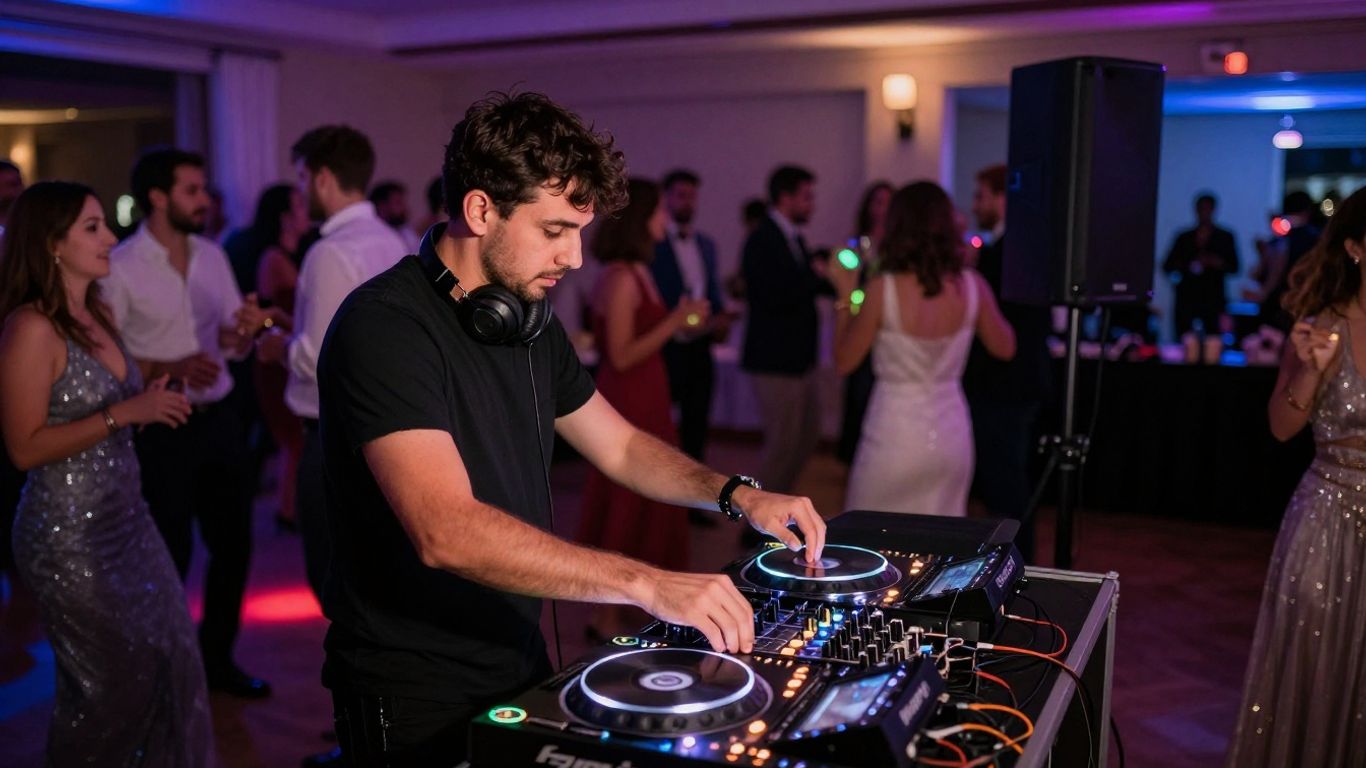
So, you’re thinking about the budget for your wedding DJ. It’s more than just picking someone to play tunes; it’s about investing in the flow and feel of your entire day. A great DJ does a lot more than just spin records. They’re like the conductor of your wedding orchestra, making sure everything happens when it should, from the ceremony music to the last dance. When you’re looking at costs, remember you’re paying for their time, their skill, and their equipment. It’s a big part of what makes your wedding memorable, for better or worse. Think about it: people might forget what they ate, but a bad DJ? That’s something they’ll definitely remember. Hiring a wedding DJ is a big decision, and understanding what goes into the price will help you make the best choice for your big day.
Breaking Down the DJ’s Workload
What exactly are you paying for when you book a DJ? It’s not just the hours they’re actually at your venue. There’s a lot of prep work involved before your wedding day even arrives. Here’s a general idea of the time a DJ puts in:
- Initial Consultations: Phone calls and emails to get to know you, your vision, and your wedding plans.
- Music Planning: Spending hours curating playlists, organizing song requests, and preparing for different parts of the day.
- Timeline Coordination: Working with you and potentially your planner to map out the schedule and ensure smooth transitions.
- Equipment Prep: Checking, packing, and transporting all the necessary sound and lighting gear.
- On-Site Setup: Arriving early to set up speakers, microphones, lighting, and test everything.
- Event Performance: The actual hours spent MCing, managing music, and keeping the energy up during your ceremony, cocktail hour, dinner, and reception.
- Breakdown and Travel: Packing up all the equipment and traveling back.
Understanding Full Day Rate Bookings
Many wedding DJs offer a "full day rate." This usually means they’re dedicated solely to your event for the entire day. They won’t book another gig, so your wedding is their only focus. This ensures they’re present and ready from the moment guests arrive until the last song plays. It covers everything from setting up sound for your ceremony, providing background music during dinner, to rocking the dance floor later on. This dedicated approach means they’re fully invested in making your day a success.
Factors That Can Affect Your DJ’s Quote
Several things can influence the final price you’ll pay for your DJ. It’s not a one-size-fits-all situation. Here are some common factors:
- Guest Count: If you have a very large wedding (say, over 300 guests), more sound equipment might be needed, which can add to the cost.
- Event Duration: If you need your DJ for more than the standard six hours, expect the price to go up.
- Multiple Locations: If your ceremony, cocktail hour, and reception are all in different spots, it might require extra setup and travel time, potentially increasing the quote.
- Day of the Week: Weddings on weekdays or Sundays are often less expensive than those on prime-time Saturdays.
- Non-Traditional Formats: If you’re skipping some of the usual formalities and just want a party vibe, some DJs might offer a slightly different package or price.
The right DJ isn’t just about playing songs; they’re the glue that holds your wedding’s timeline and atmosphere together. They manage the sound, make important announcements, and keep the energy flowing, making sure your guests have a fantastic time from start to finish. Investing wisely here means a smoother, more enjoyable experience for everyone, especially you and your partner.
So, How Long Should Your DJ Play?
Figuring out the right amount of time for your wedding DJ can feel like a puzzle, but it really comes down to what you want your day to feel like. Think about the flow from your ceremony right through to the last dance. Most couples find that a solid six hours covers all the main events – the ‘I dos,’ the mingling during cocktail hour, dinner, and of course, plenty of time to hit the dance floor. It’s about making sure your guests are entertained and the party keeps going without feeling rushed. Remember, a good DJ isn’t just playing songs; they’re helping manage the energy and the timeline of your entire celebration. Chatting with your DJ about your specific plans will help you nail down the perfect timing, so everyone, including you, has an amazing time.
Frequently Asked Questions
How long does a wedding DJ usually play for?
Most wedding DJs play for about six hours. This usually covers the ceremony, the mingling time before dinner, the dinner itself, and then the dancing part of the night. It’s like the DJ is there for the main events of your celebration.
What does a standard DJ package include?
A typical package includes the DJ playing music for your main wedding events, handling announcements, and making sure the day flows smoothly. You also get good sound equipment, microphones for speeches, and some cool lights for the dance floor. They also handle setting up and taking down their gear.
When might I need a DJ for more than six hours?
If your wedding is super long, has events in different places, or you just want to keep the party going longer, you might need extra time. Some weddings have unique schedules, like a big party that starts later, which could mean needing more hours from your DJ.
Can a DJ help keep my wedding day on track?
Yes, absolutely! A good DJ acts like the ‘clock’ for your wedding. They help make sure things happen when they’re supposed to, like when guests should move from the ceremony to the cocktail hour, or when it’s time for the first dance. This keeps everything from feeling rushed.
Does the number of guests affect how long the DJ should play?
While the number of guests doesn’t directly change how many hours you book, a really big crowd (like over 300 people) might mean the DJ needs bigger sound equipment. This could sometimes add a little to the cost, but it doesn’t usually change the basic six-hour timeframe unless you specifically request more time.
How does the DJ’s job affect the wedding cost?
The cost covers a lot more than just playing music. It includes the DJ’s planning time before the wedding, setting up all their gear, being there for the whole event, and then packing everything away. Plus, they have professional equipment and the skill to keep everyone entertained. Longer hours or special needs, like multiple locations, will usually cost more.