Planning an event can feel like a lot, right? You’ve got decorations, food, and then there’s the music. That’s where a DJ comes in. But what exactly do they do? This guide breaks down dj services explained, so you know what to expect and can pick the right person to make your party sound great. It’s not just about playing songs; it’s about creating the right mood and making sure everyone has a good time. Let’s figure it out together.
Key Takeaways
- A DJ does more than just play music; they help set the mood and manage the event’s flow.
- Talk with potential DJs about your music tastes and event style during the planning phase.
- Understand what equipment the DJ provides and how it fits your venue’s needs.
- Review contracts carefully to know exactly what you’re paying for and what’s included.
- Good communication with your DJ before and during the event leads to a better experience for everyone.
Understanding DJ Services Explained: What’s Included
So, you’re thinking about hiring a DJ for your event, but you’re not quite sure what you’re getting for your money? It’s a totally fair question! A DJ does a lot more than just show up and press play on a Spotify playlist. They’re basically the conductors of your event’s atmosphere, and their role can be surprisingly extensive. Let’s break down what you can generally expect when you book a professional DJ.
The Core Role of Your Event DJ
At its heart, a DJ’s main gig is to provide the soundtrack for your event. But it’s not just about having music playing; it’s about having the right music at the right time. They’re responsible for managing the overall sound and energy of the room. This means they’re constantly reading the crowd, adjusting the tempo, and selecting songs that keep people engaged, whether that’s during a cocktail hour, a formal dinner, or when it’s time to hit the dance floor. They help create a flow that feels natural and keeps your guests entertained from start to finish.
- Setting the Mood: From the moment guests arrive, the DJ establishes the initial vibe with background music.
- Managing Energy Levels: They know when to ramp things up for dancing and when to bring it down for more relaxed moments.
- Creating a Cohesive Experience: The music selection ties different parts of your event together, making it feel like a unified celebration.
A professional DJ is more than just a music player; they are an integral part of your event’s success, orchestrating the auditory experience to match your vision and keep guests engaged.
Beyond Just Playing Music
This is where things get really interesting. A good DJ often wears multiple hats. Many DJs also serve as a Master of Ceremonies (MC). This means they’re the voice of your event, making announcements, introducing key people or moments, and keeping everything on schedule. They’re the ones who will let everyone know when it’s time for the first dance, the cake cutting, or when dinner is served. This takes a huge weight off your shoulders, allowing you to actually enjoy your own party. They also handle all the technical aspects, making sure the sound system is working perfectly for speeches and that transitions between songs are smooth. It’s about making sure everything sounds great and happens when it’s supposed to, so there are no awkward silences or confusion.
Customization Options Available
No two events are exactly alike, and your DJ should understand that. A big part of what you’re paying for is their ability to tailor the experience to your specific event. This starts with a thorough consultation where you discuss your musical tastes, the overall vibe you’re going for, and any specific songs that are important to you. You can collaborate on playlists, providing lists of "must-play" songs and, just as importantly, "do-not-play" songs. A skilled DJ will use this information to craft a soundtrack that feels personal and perfectly suited to your celebration. They can also adapt their style based on the age range of your guests and the type of event you’re hosting, whether it’s a wedding, a corporate party, or a birthday bash. This level of personalization is what truly makes your event stand out. You can find DJs who specialize in certain genres or types of events, which can be a great starting point for finding the right fit.
Choosing the Right DJ for Your Celebration
Picking the right DJ is a big deal for your event. It’s not just about having someone play tunes; it’s about finding a pro who can really set the mood and keep your celebration flowing smoothly. This section will walk you through what to consider when looking for a DJ, so your party is one everyone remembers.
Assessing Your Event’s Vibe
Think about the kind of atmosphere you want for your event. Is it a sophisticated cocktail party, a high-energy dance fest, or a relaxed dinner gathering? A DJ’s music selection and style can totally shape this. Some DJs specialize in certain genres or types of events, like weddings or corporate functions. It’s worth looking for someone whose usual style aligns with the vibe you’re aiming for. You want a DJ who understands how to build the energy throughout the night, starting with something mellow and building up to get everyone on the dance floor. They’re not just playing songs; they’re crafting an experience.
DJ Experience and Specializations
When you’re looking at potential DJs, consider their experience. How long have they been doing this? How many events similar to yours have they handled? A DJ who has worked many weddings, for example, will likely know the typical flow and how to manage different moments, like introductions, toasts, and the first dance. Some DJs might have specific talents, like being fantastic MCs, or they might have a knack for reading a crowd and playing exactly what people want to hear. It’s also good to ask if the person you’re talking to is the actual DJ who will be at your event, or if they send a team member. You want to know who you’re working with.
Reading Reviews and Testimonials
Reviews are your best friend when trying to find a good DJ. Look for genuine feedback on different platforms, not just testimonials on their own website. What do past clients say about their music selection, their professionalism, and how they handled the event’s flow? Pay attention to specific details in the reviews – did they keep the dance floor packed? Were they easy to communicate with? Did they stick to the timeline? A consistent pattern of positive comments about their ability to create a great atmosphere and manage the event smoothly is a strong indicator. It’s also helpful to see if they have videos of their work; seeing them in action can give you a real feel for their style and energy. This can help you plan your wedding music effectively.
Here’s a quick checklist to help you vet potential DJs:
- Reviews and References: What do other clients say? Look for detailed feedback.
- Specialization: Do they have experience with events like yours?
- MC Skills: Will they also act as your Master of Ceremonies?
- Backup Plans: What happens if their equipment fails or they can’t make it?
- Attire: Does their professional look match your event’s style?
Ultimately, you want a DJ who makes you feel confident and excited about your event. It’s a partnership, so make sure you feel a good connection and trust their approach.
The Consultation Process with a DJ
So, you’ve found a few DJs who seem like a good fit. That’s awesome! Now comes the really important part: actually talking with them. Think of this consultation not as an interview, but more like a get-to-know-you chat. You want to make sure you click with them and that they really understand the vibe you’re going for. It’s your event, and the DJ is a huge part of making it memorable, so feeling comfortable and confident is key.
Initial Meeting and Getting Acquainted
When you first connect with a potential DJ, the goal is to see if you’re on the same page. You’ll want to confirm their availability for your date, of course, but also get a feel for their personality and professionalism. Ask them about their experience, especially with events similar to yours. It’s also a good idea to find out if the person you’re talking to is the actual DJ who will be performing at your event, or if they’re part of a larger company. A good DJ will be eager to learn about your event and will ask you plenty of questions too. This initial chat helps you gauge their communication style and whether they seem genuinely invested in making your event a success.
Discussing Your Music Preferences
This is where you really get to shape the soundtrack of your celebration. Don’t be shy about sharing your musical tastes! Talk about the genres you love, any specific artists or songs that are must-plays, and just as importantly, any songs or styles you absolutely want to avoid. A professional DJ will have a vast music library, but knowing your preferences helps them tailor the experience. They might ask about the overall mood you want to create – maybe something chill during dinner and then high-energy for dancing later. It’s a collaborative process, and the more information you give them, the better they can curate a playlist that feels uniquely yours. You can even ask about how they handle guest requests during the event; some DJs have a system for this that keeps the vibe consistent.
Logistics and Timeline Planning
Beyond the music, a DJ often plays a role in keeping your event running smoothly. This is where you’ll discuss the practical details. You’ll want to go over the timeline of your event, including key moments like introductions, speeches, cake cutting, or any special dances. This helps the DJ know when to make announcements and cue up specific songs. They’ll also need to know about the venue setup – where they’ll be located, access to power, and any space limitations. Discussing technical needs, like microphones for speeches or any special lighting you might want, is also part of this conversation. A well-prepared DJ will have a plan for everything, including backup equipment, so you don’t have to worry about technical glitches ruining the mood. It’s all about ensuring a smooth event flow from start to finish.
A good DJ consultation is a two-way street. They’re not just taking orders; they’re offering their professional insight to help you create the best possible atmosphere for your guests. Feel free to ask them for suggestions based on their experience.
Music Selection and Playlist Curation
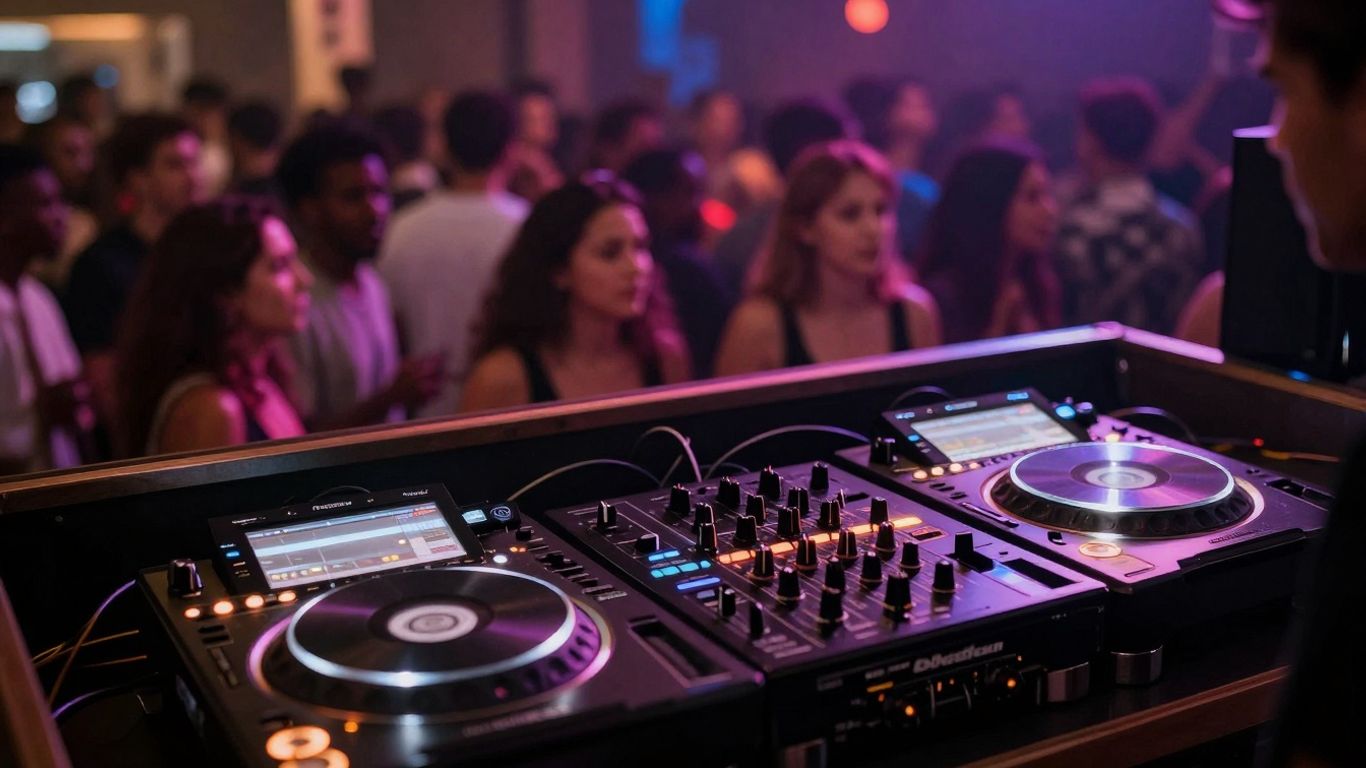
So, you’ve picked your DJ, and now it’s time to talk tunes. This is where the magic really starts to happen. It’s not just about having a bunch of songs; it’s about crafting a soundtrack that fits your event perfectly. Think of your DJ as a musical architect, building the atmosphere one song at a time.
Collaborating on Your Dream Playlist
This is your event, your vibe. A good DJ knows that and wants to hear what you’re thinking. They’ll usually sit down with you, or chat over the phone, to get a feel for your musical tastes. You can give them a list of songs you absolutely love – your "must-plays." These are the tracks that will get everyone on the dance floor or set the perfect mood for a special moment. It’s a collaborative process, and the more input you give, the better the DJ can tailor the music to you.
- Share your favorites: List songs that are meaningful to you or your guests.
- Discuss genres: Talk about the overall style you’re aiming for – maybe it’s a mix of 80s hits and current pop, or perhaps something more specific like Motown or country.
- Consider the flow: Think about how the music should change throughout the event, from background tunes during dinner to high-energy tracks for dancing.
Handling ‘Do Not Play’ Lists
Just as important as the songs you want to hear are the ones you definitely don’t. Everyone has those songs that just don’t do it for them, or maybe there’s a track that brings back bad memories. A professional DJ will always respect your "do not play" list. This is your chance to steer clear of anything that might kill the mood or make you or your guests uncomfortable. It shows the DJ is focused on creating a positive experience for you.
A well-curated playlist isn’t just about filling the airwaves; it’s about shaping the entire guest experience. It’s the invisible thread that connects different parts of your event, guiding the energy and emotion from start to finish.
Adapting to the Crowd’s Energy
While your input is key, a great DJ also has a sixth sense for the room. They’re not just blindly following a playlist. They’re watching the crowd, seeing who’s dancing, who’s chatting, and what kind of vibe is building. If a certain genre is really getting people moving, they might play more of that. If the energy starts to dip, they know how to switch things up to bring it back. This ability to read the room and adjust the music on the fly is what separates a good DJ from a truly fantastic one. It keeps the party going and ensures everyone is having a blast, making your event memorable for all the right reasons. You can find out more about how DJs approach music selection to align with your vision.
DJ Equipment and Technical Setup
When you hire a DJ, you’re not just getting someone to play music; you’re getting a whole technical setup designed to make your event sound great and look professional. It’s a bit like a chef having the right knives and pans – the gear matters. A good DJ brings the tools to create the right atmosphere and keep things running smoothly.
Sound System Essentials
The heart of any DJ setup is the sound system. This isn’t just about being loud; it’s about delivering clear, balanced audio that fills the space appropriately. Most professional DJs use a combination of equipment to achieve this:
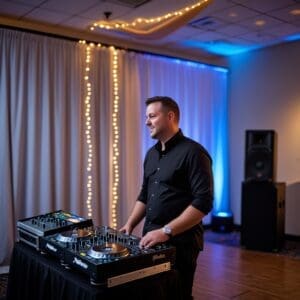
- DJ Controller or CDJs/Mixer: This is the DJ’s command center. A controller connects to a laptop and offers hands-on control over music playback, while CDJs and a mixer offer a more traditional, standalone setup. Either way, it’s where the DJ mixes tracks.
- Laptop with DJ Software: This holds the music library and runs the software that organizes tracks, analyzes beats, and allows for precise mixing. It’s important that this is a reliable machine, not prone to freezing or crashing.
- Speakers and Subwoofers: You need speakers that can handle everything from soft background music during dinner to the high energy of the dance floor. Powered speakers are common because they have the amplifier built-in, simplifying setup. Subwoofers add that crucial bass and depth that really makes music feel alive and gets people moving.
- Microphones: Essential for announcements, toasts, and any speeches. Professional DJs usually provide wireless microphones for flexibility and ease of use.
A professional DJ invests in quality sound equipment to ensure every guest, whether they’re near the dance floor or in a quieter corner, can enjoy clear, rich audio. This attention to sound quality makes a big difference in the overall guest experience.
Lighting and Ambiance
Beyond sound, lighting plays a huge role in setting the mood. A DJ often brings a range of lighting options to transform a space:
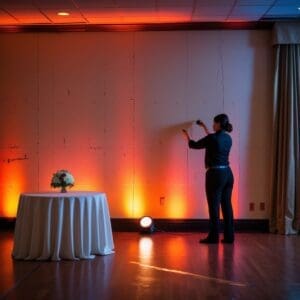
- Uplighting: These lights can be placed around the room to cast a colored glow on walls, creating a sophisticated or festive ambiance that matches your event’s theme.
- Dance Floor Lighting: Think moving lights, lasers, or strobes that create energy and excitement when it’s time to dance. These are often programmed to sync with the music.
- Special Effects: Some DJs offer extras like fog machines or bubble machines, which can add a fun, memorable touch, especially for certain types of events.
Backup Equipment Considerations
What happens if a piece of equipment fails? It’s a valid concern, and professional DJs always have a plan. They don’t just bring one of everything; they bring spares.
- Redundant Gear: Most DJs carry backup speakers, amplifiers, controllers, laptops, and all the necessary cables. This means if one item malfunctions, they can quickly switch to a backup without interrupting the music for more than a moment.
- Power Solutions: They also consider power needs, often bringing their own power strips and ensuring they have access to reliable electricity. For outdoor events, they might have generators or specific power plans.
- Contingency Plans: Beyond just gear, they have plans for unexpected situations, like traffic delays or illness, often working with a network of other DJs to ensure coverage if needed. You can find more about DJ setup requirements to get a better idea of what’s involved.
The DJ’s Role During Your Event
So, your event is happening! The music is playing, people are mingling, and things are starting to get going. But what exactly is the DJ doing beyond just being the source of the tunes? A lot, actually. Think of your DJ as the conductor of your event’s energy and flow. They’re not just pressing play; they’re actively managing the atmosphere to make sure everything feels just right.
Setting the Mood from the Start
From the moment your first guests arrive, the DJ is working to create the right vibe. This isn’t just about picking background music; it’s about understanding the overall feel you’re going for. Are we aiming for a relaxed, sophisticated cocktail hour, or a more upbeat, energetic welcome? The DJ selects music that matches this initial tone, making sure everyone feels comfortable and setting the stage for what’s to come. They’re paying attention to the room, noticing how people are interacting, and adjusting the music subtly to keep things moving in the desired direction.
Master of Ceremonies Duties
For many events, especially weddings and larger parties, the DJ often takes on the role of Master of Ceremonies (MC). This means they’re the voice guiding your guests through the evening. They’ll make announcements, introduce key people or moments (like the wedding party’s entrance or the cutting of the cake), and keep everyone informed about the schedule. This is a huge help because it takes the pressure off you to remember all those little details. A good MC makes these announcements clear, engaging, and timely, ensuring your event progresses smoothly without awkward pauses or confusion.
Here’s a quick look at what an MC DJ typically handles:
- Announcements: Informing guests about dinner, special dances, or upcoming activities.
- Introductions: Welcoming guests, introducing speakers, or presenting the wedding party.
- Timeline Management: Working with you and other vendors to keep the event on schedule.
- Guest Engagement: Encouraging participation in activities or getting people onto the dance floor.
Seamless Transitions and Flow
This is where a DJ’s skill really shines. They’re not just playing one song after another; they’re crafting a musical journey. This involves making smooth transitions between songs, ensuring there are no jarring stops or awkward silences. More importantly, they manage the energy of the room. They know when to build excitement for the dance floor, when to bring the tempo down for dinner or speeches, and how to bridge the gap between different phases of your event. It’s this careful orchestration that makes your event feel cohesive and keeps your guests engaged from start to finish.
A great DJ is like a skilled storyteller, using music to guide your guests through an experience. They read the room, anticipate needs, and make sure every moment flows naturally into the next, creating a memorable atmosphere without you having to worry about the details.
They also coordinate with other vendors, like photographers or venue staff, to ensure that music cues align with planned moments, like a first dance or a cake cutting. This behind-the-scenes coordination is what makes everything feel polished and professional, allowing you and your guests to simply enjoy the celebration.
Adding Extra Flair with DJ Services
So, you’ve got the music basics covered, but what about those little extras that can really make your event pop? A good DJ isn’t just about playing songs; they can be a hub for all sorts of cool additions that boost the atmosphere and guest experience. Think beyond just the sound system – we’re talking about things that add visual appeal, interactive fun, and even a touch of the unexpected.
Photo Booth Integration
Photo booths have become super popular, and for good reason! They give guests a fun, casual way to capture memories. Many DJs now offer photo booth packages, often integrated right into their setup. This means one less vendor to coordinate. You can usually expect:
- Props: A fun selection of hats, glasses, signs, and other silly items to liven up the pictures.
- Backdrops: A themed or customizable backdrop to make your photos stand out.
- Instant Prints: Guests get physical copies of their photos right away, which is a great party favor.
- Digital Copies: You’ll typically receive a digital album of all the photos taken later on.
It’s a fantastic way to keep guests entertained during downtime, like cocktail hour, and provides everyone with a tangible reminder of the fun.
Special Effects and Visuals
Want to really transform your space? DJs can bring in lighting and effects that go way beyond basic mood lighting. These elements can create a dynamic environment, especially for dancing or key moments.
- Uplighting: These lights wash walls with color, matching your event’s theme or creating a specific mood. They can make a plain room feel elegant or vibrant.
- Dance Floor Lighting: Moving lights, lasers, or disco balls can turn your dance area into the main attraction.
- Fog Machines/Haze: Used subtly, these can make lighting effects more visible and add a bit of drama, especially for a grand entrance or a special song.
- Projectors: Some DJs can project custom monograms, logos, or even slideshows onto walls or the dance floor.
These visual elements work hand-in-hand with the music to create a complete sensory experience for your guests.
Live Musicians and Performers
Sometimes, you want that extra live element to really wow your guests. A DJ can often act as a bridge between recorded music and live performance. This could involve:
- DJ with Live Instrumentalist: Imagine a DJ spinning tracks while a live saxophonist, percussionist, or even a singer improvises over the music. This adds a unique, energetic layer that recorded music alone can’t replicate.
- Coordinating with Bands: If you have a live band, your DJ can work with them to manage the music flow, handle announcements, and ensure smooth transitions between the band’s sets and when the DJ takes over.
- Specialty Performers: Depending on your event, a DJ might help coordinate other performers, like dancers or even a magician, to add variety to the entertainment lineup.
These collaborations can create truly memorable moments and offer a diverse entertainment experience that caters to different tastes throughout the event.
Understanding DJ Contracts and Pricing
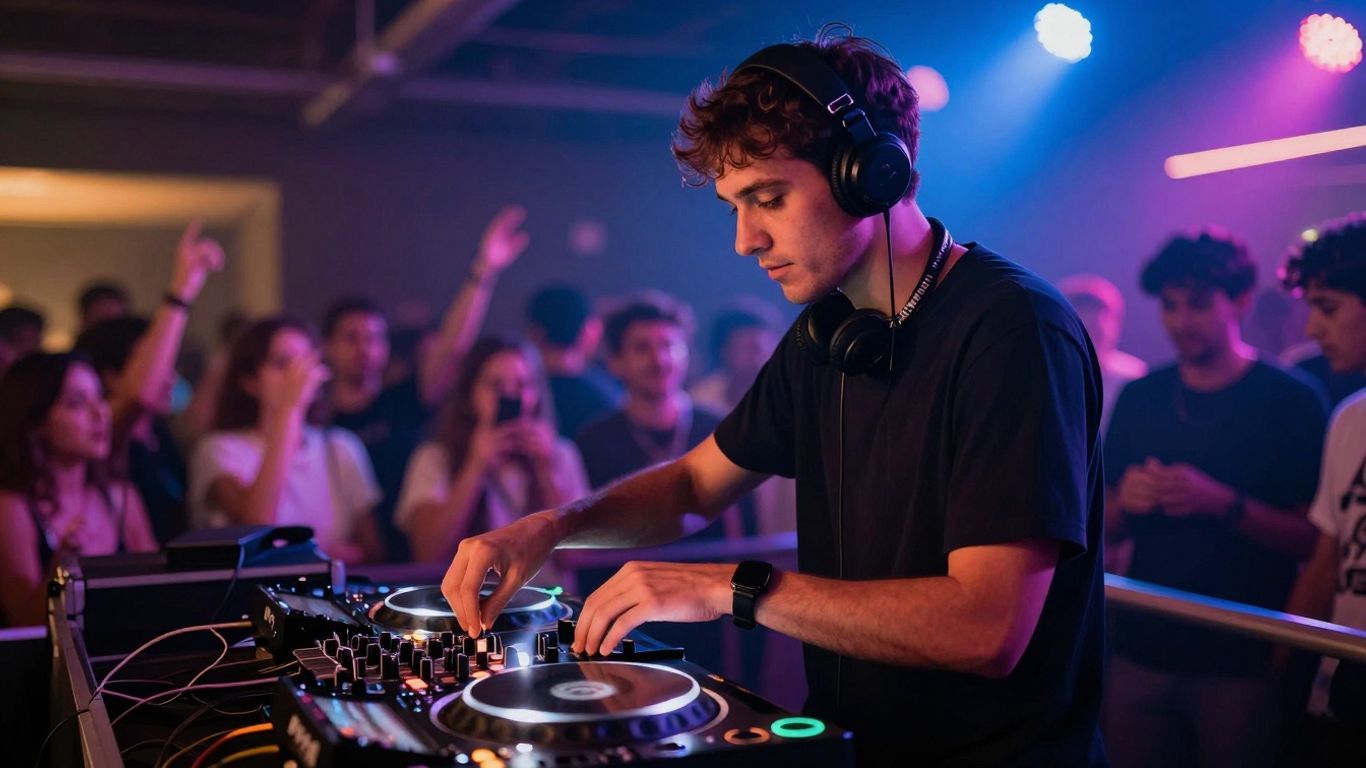
Alright, let’s talk about the nitty-gritty: contracts and pricing for your DJ. It might not be the most exciting part of planning, but it’s super important to get this right so there are no surprises later on. Think of it like this: the contract is your roadmap, and the pricing is how you know you’re getting a fair deal for the journey.
What to Look for in a Contract
A contract is basically a written agreement that spells out exactly what you and the DJ are promising each other. It protects both of you. When you’re looking through it, keep an eye out for these key things:
- Services Included: Does it clearly state what the DJ will do? This includes hours of service, MC duties, setup and breakdown time, and any extra features like lighting or special effects. Make sure it matches what you discussed.
- Date, Time, and Location: Double-check that all the event details are correct. You don’t want any confusion about when and where they need to be.
- Payment Schedule: This will outline how much the deposit is, when it’s due, and when the final payment is expected. It should also mention any cancellation policies.
- Music Specifics: While not always in detail, it should mention how music requests are handled, like your "do not play" list and "must play" songs.
- Contingency Plans: What happens if the DJ gets sick or their equipment fails? A good contract will address backup plans.
- Cancellation Policy: Understand what happens if you or the DJ need to cancel. This is really important.
A well-written contract is your best friend. It prevents misunderstandings and ensures everyone is on the same page, leading to a smoother experience for your event.
Typical Pricing Structures
DJ pricing can vary a lot, and it’s not just about the number of hours. Several factors influence the cost. Most DJs offer different packages, which can help you find something that fits your budget and needs. Here’s a general idea of what you might see:
- Basic Package: Usually covers a set number of hours with a general music library and basic sound system. This is often the most affordable option.
- Standard Package: Might include MC services, some basic lighting, and more time for music consultation. It’s a step up in terms of service.
- Premium Package: This typically involves a more experienced DJ, higher-end sound and lighting, custom playlist creation, and more in-depth planning sessions. It’s for when you want that extra polish.
The average cost for a wedding DJ can range from $1,300 to $1,900, but this can go up depending on the DJ’s experience, the length of the event, and any add-on services you choose. Remember, you’re investing in the atmosphere and flow of your entire celebration, not just someone playing music. You can find DJs who offer all-inclusive packages to avoid surprise fees.
Deposit and Payment Schedules
When you book a DJ, you’ll almost always need to pay a deposit. This is usually a percentage of the total cost, maybe 25-50%, and it secures your date. The remaining balance is typically due closer to the event date, often 30 days before. Some DJs might offer payment plans, which can be helpful if you’re on a tight budget. Always clarify the exact due dates and accepted payment methods. Getting these financial details sorted early on means one less thing to worry about as your event date approaches. It’s wise to start looking for a DJ about 6-12 months before your event, especially if you’re planning during a busy season.
Day-Of Coordination with Your DJ
So, the big day is finally here! You’ve planned everything, and now it’s time to let loose and enjoy. This is where your DJ’s day-of coordination skills really come into play. They’re not just there to play music; they’re a vital part of making sure your event runs like a well-oiled machine, allowing you and your guests to have a fantastic time without a single worry.
Finalizing Details Before the Event
Even though you’ve had consultations, the final hours before your event are crucial for last-minute checks. Your DJ will want to confirm a few key things to ensure everything is set.
- Timeline Review: A quick run-through of the event’s schedule, especially the key moments like entrances, speeches, and special dances. This helps the DJ know exactly when to cue music or make announcements.
- Music Confirmation: Double-checking your must-play and do-not-play lists, and confirming any specific song requests for particular moments (like the first dance or cake cutting).
- Announcements: Confirming who needs to be introduced and any specific announcements that need to be made throughout the event.
- Venue Specifics: A final check on the setup location, power sources, and any venue-specific rules or guidelines.
Working with Other Vendors
Your DJ is part of a larger team on your event day. Effective coordination with other professionals ensures a smooth experience for everyone.
- Venue Staff: Liaising with the venue manager or coordinator regarding setup times, power needs, and any logistical details. This helps avoid conflicts and ensures a professional setup.
- Photographer/Videographer: Coordinating with your visual storytellers is key. The DJ can signal when key moments are about to happen, like the grand entrance or the cake cutting, so the photographer and videographer are ready to capture them perfectly. This coordination is what allows your event to run smoothly.
- Caterers/Event Planners: If you have a separate event planner or caterer managing the flow, the DJ will sync with them to ensure music and announcements align with meal services or other scheduled activities.
Contingency Plans for the Unexpected
Even with the best planning, sometimes things don’t go exactly as planned. A professional DJ comes prepared for the unexpected.
- Equipment Malfunctions: A seasoned DJ always brings backup equipment, including extra microphones, cables, and even a backup sound system. This means a minor technical glitch won’t derail your event.
- Timeline Adjustments: If speeches run long or a planned activity takes more time, the DJ can subtly adjust the music and announcements to keep the event flowing without feeling rushed or awkward.
- Weather Changes: For outdoor events, a DJ can help manage music and announcements if weather forces a change of plans, ensuring the mood stays positive.
A good DJ is more than just a music provider; they are a logistical coordinator and a mood manager. Their ability to anticipate needs, communicate effectively with other vendors, and adapt to unforeseen circumstances is what truly makes them an invaluable part of your event team, ensuring a memorable and stress-free experience for you and your guests.
Post-Event Follow-Up with Your DJ
So, the music has faded, the last guest has departed, and the confetti has settled. What happens next with your DJ? While the main event is over, a good DJ service doesn’t just disappear. There’s a bit of wrap-up that can be really beneficial for both you and the DJ, ensuring everything went smoothly and leaving a positive final impression.
Reviewing the Event’s Success
After the party winds down, it’s a great time to reflect on how the music and overall atmosphere contributed to your event’s success. Think about what worked really well. Were there specific songs that got everyone on the dance floor? Did the MC announcements help keep things moving? A quick chat or email exchange with your DJ can be super helpful. They might have insights from their perspective, too, like which parts of the night were the most energetic or if any unexpected requests came up. This feedback loop is actually how many DJs, like those at Atlantic ProDJ, continue to improve their services for future clients. It’s a chance to share your highlights and for them to understand what made your celebration special.
Sharing Memories and Photos
Your DJ was there, capturing the energy and soundtracking your event. They might have some great candid shots or video clips from behind the booth that you haven’t seen. It’s always fun to see the event from a different angle! If you have professional photos or videos from your event, sharing a few highlights with your DJ can be a nice gesture. It shows them the impact of their work and gives them material they can use to showcase their services. Plus, it’s a way to keep the positive memories alive long after the event is over.
Future Booking Considerations
If you were thrilled with your DJ’s performance, now is the perfect time to think about future needs. Did you love how they handled your wedding? Maybe you have a corporate holiday party coming up, or a milestone birthday for a family member. Many DJs offer packages for various types of events, and booking them again means you already know their style and reliability. It can also sometimes come with perks, like a slight discount for repeat clients or priority booking for popular dates. It’s a win-win: you get a trusted professional for your next event, and they get a happy client who values their work.
So, What’s the Takeaway?
Alright, so we’ve gone over what a DJ actually does for your party or wedding. It’s more than just playing tunes, right? They’re there to read the room, keep the energy up, and make sure everyone, from your grandma to your college buddies, has a good time. Think of them as the conductor of your event’s soundtrack. When you’re looking for a DJ, remember to chat about what you want, ask about their setup, and get a feel for their style. A good DJ can really make your event memorable, so it’s worth putting a little thought into it. Happy planning!
Frequently Asked Questions
What exactly does a DJ do at my party or wedding?
A DJ does way more than just play songs! They’re like the conductor of your event’s atmosphere. They’ll read the room, mix music smoothly, and keep the energy just right, making sure everyone has a fantastic time from start to finish.
Can I tell the DJ what music I want to hear?
Absolutely! Most DJs love to work with you on the music. You can give them a list of your favorite songs, songs you definitely want played, and even songs you’d rather skip. It’s your event, so your music choices matter!
What kind of equipment does a DJ need?
A good DJ needs a solid sound system to make sure everyone can hear the music clearly, no matter where they are. They also often bring lights to create a fun mood and sometimes even a microphone if they’re also acting as the host.
Do DJs also talk and announce things?
Yes, many DJs can also be your Master of Ceremonies (MC). This means they’ll make important announcements, like introducing the wedding party, telling guests when it’s time to eat, or kicking off the first dance. It helps everything run smoothly.
How much does a DJ usually cost?
DJ prices can vary a lot. It depends on how long you need them, how experienced they are, and if you want any extra services like special lighting or a photo booth. You’ll usually pay an hourly rate or a package price.
What should I look for in a DJ contract?
Make sure the contract clearly states the date, time, and location of your event. It should also list the total cost, when payments are due, how many hours the DJ will play, and what happens if either side needs to cancel. Always read it carefully!
Can a DJ help with things besides music?
Some DJs offer extra services that can make your event even more special. This might include cool lighting effects, smoke machines, bubble machines, or even setting up a photo booth for fun pictures with your guests.
What if the DJ’s equipment breaks?
A professional DJ will always have backup equipment ready to go. This means if something unexpected happens with their main gear, they can quickly switch to their spare equipment so the music and fun don’t stop for long.